
The civic record
Read. Follow. Verify.Wisconsin SB 1123 Raises State Minimum Wage to $20 by 2030 and Allows Local Ordinances
Last action · March 23, 2026: Failed to pass pursuant to Senate Joint Resolution 1Sponsors: Kelda Roys and 42 others
Track this bill to get notified when it advances a stage. One tap to stop, anytime.
What This Bill Proposed
This bill raises the state minimum wage to $15 per hour upon enactment and scales it up to $20 per hour by 2030 for non-, while establishing a delayed schedule for s of 50 or fewer workers. It also indexes future wage increases to inflation beginning in 2031 and removes the state-level ban preventing cities, villages, towns, and counties from enacting local minimum wage ordinances.
Low-wage workers across Wisconsin would see baseline hourly earnings rise immediately and incrementally over several years, while municipal governments would regain the legal authority to set their own localized wage standards.
- Wisconsin law previously maintained a static state minimum wage of $7.25 per hour, matching the federal minimum wage, and explicitly preempted local municipalities from enacting higher or independent minimum wage requirements. context
Who It Would Have Affected
Groups the bill's text would have affected, as described in the record. Being affected is not a position for or against it.
Non-tipped employees
Hourly wage rates increase immediately to $15 and scale up to $20 per hour by 2030, with subsequent inflation adjustments.
Tipped employees
Minimum hourly wages for tipped workers increase to $7.50 initially and scale up to set percentages of the standard minimum wage.
Small employers
Employers with 50 or fewer workers are subject to a delayed timeline for reaching the full standard minimum wage.
Cities, villages, towns, and counties
Local governments regain the legal authority to enact and administer local minimum wage ordinances.
Key Facts
You don't have to trust us. Each fact below is taken straight from the official document - click any one to see the exact passage, highlighted in the original.
Frequently Asked Questions
How are small employers defined and treated under the legislation?
Can local municipalities pass their own minimum wage laws if this passes?
What happens to the minimum wage after 2030?
What else do you want to know?
News Coverage
Follow the record
Votes, people, money & the original sourceWhere This Stands
This bill did not become law - Failed in the Senate.
Procedural history
3 actions- Mar 23, 2026SenateFailed to pass pursuant to Senate Joint Resolution 1
- Mar 19, 2026SenateIntroducedRead first time and referred to Committee on Government Operations, Labor and Economic Development
- Mar 19, 2026SenateIntroducedIntroduced by Senators Roys, Drake, Larson, Spreitzer and Carpenter; cosponsored by Representatives Cruz, Clancy, Tenorio, Anderson, Arney, Bare, Brown, DeSanto, DeSmidt, Fitzgerald, Goodwin, Haywood, Hong, Hysell, Joers, Johnson, Kirsch, Madison, Mayadev, McCarville, McGuire, Miresse, Moore Omokunde, Palmeri, Phelps, Prado, Rivera-Wagner, Roe, Sheehan, Sinicki, Spaude, Stubbs, Subeck, Taylor, Udell, Vining, Snodgrass and Stroud
Version history
Only one version on file - nothing to compare yet. As later stages (committee substitute, engrossed, enrolled) are captured, the redline appears here.
View official text →Lobbying Activity
No state lobbying filings in our records match this bill. Federal lobbying reports (LDA) cover Congress, so they are not listed on state bills.
Full breakdown
Who this bill affects and the strongest case for and against it, written only from the bill’s own text.
Sponsors




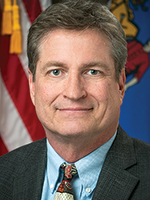
Show 38 more sponsors

Discoveries
Patterns POLISCOPE noticed across the record. These are observations to investigate, not conclusions.
Restoration of Local Minimum Wage Authority
The legislation removes the existing statutory preemption that blocks cities, villages, towns, and counties from establishing local minimum wage laws.
Connected Entities
Sources
docs.legis.wisconsin.gov
Analysis Score
0–100- Significance20Lowered because this bill did not pass (its text scored 90)
- Controversy85Intensity of disagreement among stakeholders
- Entertainment10Compellingness for a non-policy-wonk reader
- Buzz75Current news / social attention level
Publisher tools