
The civic record
Read. Follow. Verify.Ohio expands Address Confidentiality Program eligibility and establishes criminal penalties for unauthorized disclosure of confidential addresses
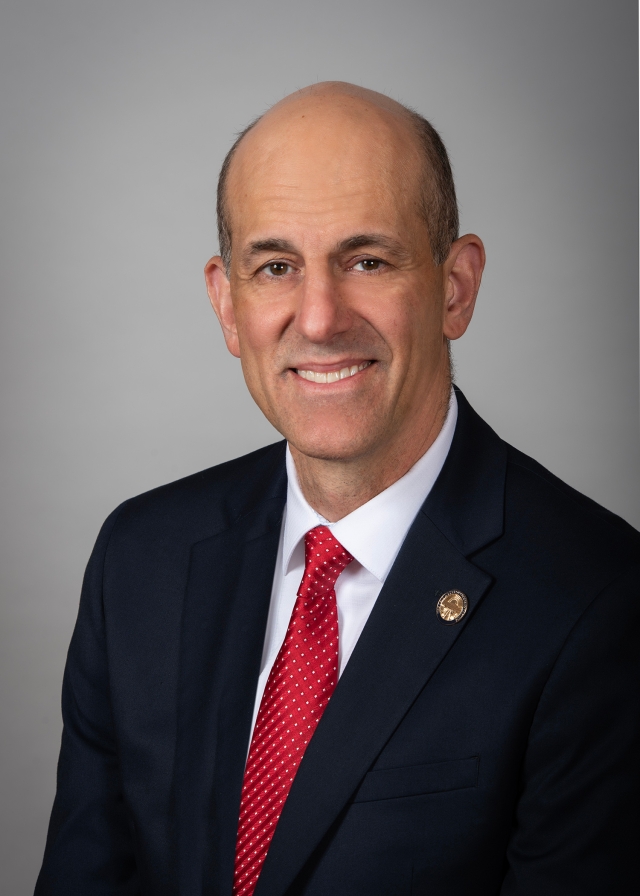
Last action · May 20, 2026: Re-referred (Rules and Reference)Sponsors: Bernard Willis and 1 other
Track this bill to get notified when it advances a stage. One tap to stop, anytime.
What This Bill Would Do
Ohio House Bill 396 amends Revised Code sections to expand the state's Address Confidentiality Program by updating eligibility criteria, application requirements, and penalties for unauthorized disclosure of participant information. The legislation prohibits registered sex offenders from participating and makes knowing wrongful disclosure of es by public officials or other persons a first-degree misdemeanor.
Victims of domestic violence, stalking, human trafficking, rape, and violent crimes gain broader eligibility pathways to shield their residential and workplace addresses from public records, while public officials and individuals who mishandle this protected data face first-degree misdemeanor charges.
Who It Would Affect
Groups the bill's text would affect if enacted, as described in the record. Being affected is not a position for or against it.
Victims of domestic violence and violent crimes
Their eligibility criteria and protections for shielding residential and workplace addresses through the Address Confidentiality Program are updated.
Public officials
They are prohibited from knowingly disclosing confidential addresses and telephone numbers to unauthorized persons, under threat of first-degree misdemeanor charges.
Registered sex offenders
Tier I, tier II, and tier III sex offenders or child-victim offenders are explicitly barred from participating in the program.
Key Facts
You don't have to trust us. Each fact below is taken straight from the official document - click any one to see the exact passage, highlighted in the original.
Frequently Asked Questions
Who is eligible to apply for the Address Confidentiality Program under this bill?
What happens if a public official improperly discloses a confidential address?
How long does a program participant's certification last?
What else do you want to know?
News Coverage
Follow the record
Votes, people, money & the original sourceWhere This Stands
Currently in committee. The next step in the legislative lifecycle is Floor Vote.
Procedural history
5 actions- May 20, 2026HouseRe-referred (Rules and Reference)
- May 20, 2026HouseCommitteeReported - Re-referred to General Government (Rules and Reference)
- Mar 18, 2026HouseCommitteeReported (General Government)
- Sep 15, 2025HouseCommitteeReferred to General Government
- Jul 21, 2025HouseIntroducedIntroduced
Version history & redline
3 versions on fileVoting Record
Favorable Passage
Total
13
- Yes
- 9
- No
- 4
- Present
- 0
- Not voting
- 0
- Abstain
- 0
How they voted (13)







Show 1 earlier roll call
Favorable Passage
Total
13
- Yes
- 13
- No
- 0
- Present
- 0
- Not voting
- 0
- Abstain
- 0
How they voted (13)





Lobbying Activity
No state lobbying filings in our records match this bill. Federal lobbying reports (LDA) cover Congress, so they are not listed on state bills.
Full breakdown
Who this bill affects and the strongest case for and against it, written only from the bill’s own text.
Sponsors
Connected Entities
Sources
www.legislature.ohio.gov
Analysis Score
0–100- Significance65How much this matters to a regular citizen
- Controversy20Intensity of disagreement among stakeholders
- Entertainment5Compellingness for a non-policy-wonk reader
- Buzz25Current news / social attention level
Publisher tools