
The civic record
Read. Follow. Verify.Ohio expands Address Confidentiality Program and exempts judges' and prosecutors' addresses from public disclosure
Last action · May 27, 2026: Referred to General GovernmentSponsor: Susan Manchester
Track this bill to get notified when it advances a stage. One tap to stop, anytime.
What This Bill Would Do
Senate Bill 225 expands the , exempts the addresses of judges and prosecutors from public record disclosure, and establishes privacy protections for candidate protest hearings involving s or confidential program participants.
Judges, prosecutors, and approved program participants gain statutory protection shielding their residential and personal addresses from public records requests and voter registration disclosures, while individuals who knowingly disclose confidential addresses face first-degree misdemeanor charges.
- The Address Confidentiality Program in Ohio was established to protect victims of domestic violence and related crimes by providing a substitute address for public records and mail services. context
- Senate Bill 225 builds upon prior legislation regarding public records exemptions under Ohio Revised Code Section 149.43. context
Who It Would Affect
Groups the bill's text would affect if enacted, as described in the record. Being affected is not a position for or against it.
Judges and Prosecutors
Their residential addresses and personal information are exempted from public record disclosure and voter registration lists.
Address Confidentiality Program Participants
They receive expanded confidentiality protections covering voter records, candidate protests, and election challenge hearings.
Public Officials and Records Custodians
They are subject to first-degree misdemeanor penalties for knowingly disclosing confidential addresses or telephone numbers.
Key Facts
You don't have to trust us. Each fact below is taken straight from the official document - click any one to see the exact passage, highlighted in the original.
Frequently Asked Questions
Who is eligible to participate in the Address Confidentiality Program?
What happens if a public official unlawfully discloses a confidential address?
Are candidate protest hearings public if the candidate is a designated public service worker with address redactions?
What else do you want to know?
News Coverage
Follow the record
Votes, people, money & the original sourceWhere This Stands
Currently passed chamber. The next step in the legislative lifecycle is Law.
Procedural history
6 actions- May 27, 2026HouseCommitteeReferred to General Government
- May 26, 2026HouseIntroducedIntroduced
- May 20, 2026SenateCommitteeReported - Substitute (Judiciary)
- May 20, 2026SenateFloorPassed
- Jun 25, 2025SenateCommitteeReferred to Judiciary
- Jun 18, 2025SenateIntroducedIntroduced
Version history & redline
3 versions on fileVoting Record
Passed
Total
30
- Yes
- 26
- No
- 4
- Present
- 0
- Not voting
- 0
- Abstain
- 0
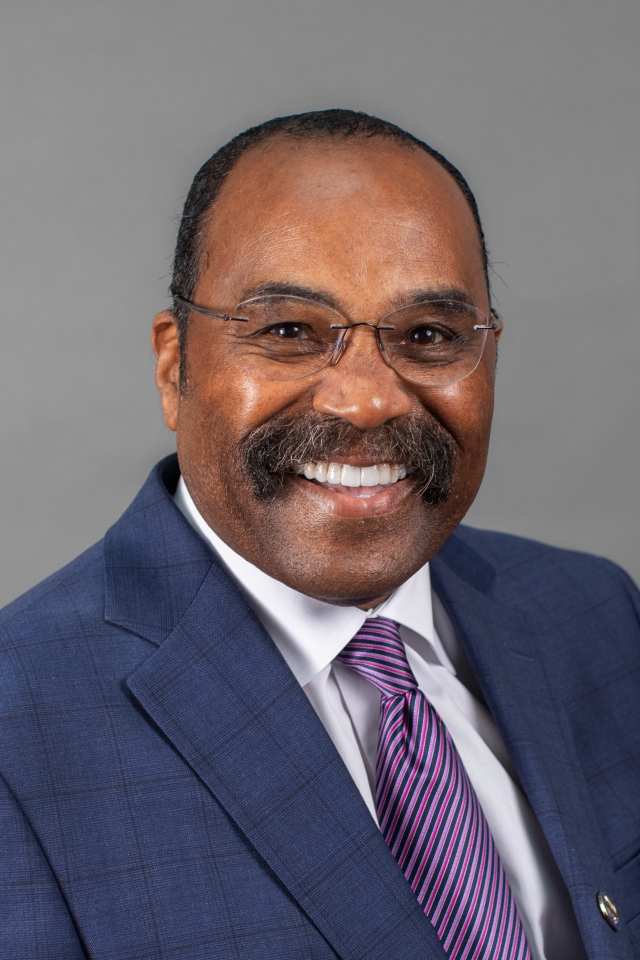
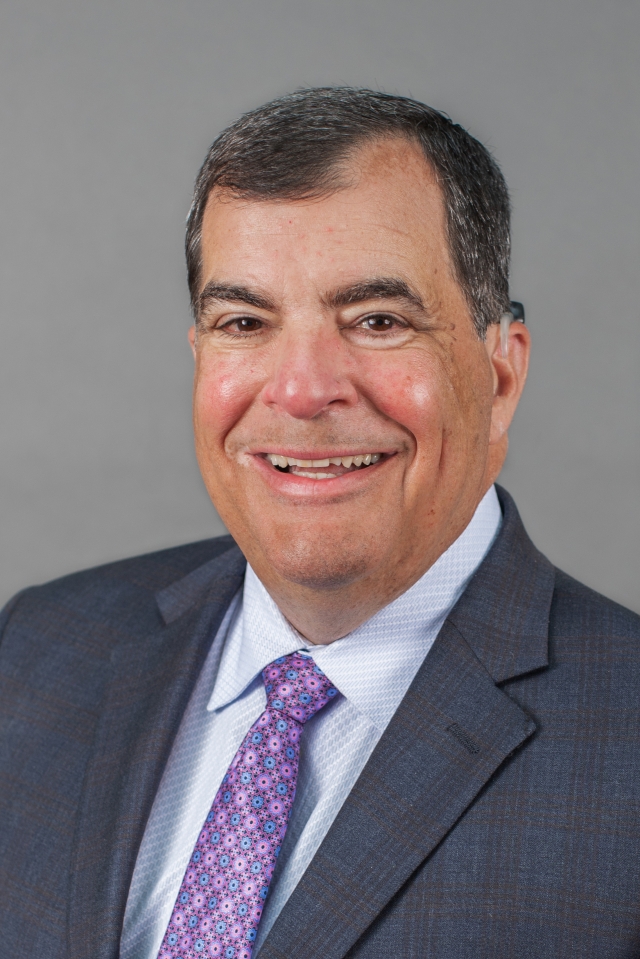
How they voted (29)
















Show 1 earlier roll call
Favorable Passage
Total
6
- Yes
- 6
- No
- 0
- Present
- 0
- Not voting
- 0
- Abstain
- 0
Lobbying Activity
No state lobbying filings in our records match this bill. Federal lobbying reports (LDA) cover Congress, so they are not listed on state bills.
Full breakdown
Who this bill affects and the strongest case for and against it, written only from the bill’s own text.
Sponsors
Discoveries
Patterns POLISCOPE noticed across the record. These are observations to investigate, not conclusions.
Extension of Privacy Protections to Candidate Hearings
The bill extends confidentiality and closed-hearing requirements from routine voter registration challenges to candidate protest hearings involving designated public service workers and program participants.
Connected Entities
Sources
www.legislature.ohio.gov
Analysis Score
0–100- Significance75How much this matters to a regular citizen
- Controversy25Intensity of disagreement among stakeholders
- Entertainment5Compellingness for a non-policy-wonk reader
- Buzz30Current news / social attention level
Publisher tools