
The civic record
Read. Follow. Verify.Maryland mandates feasibility study for monthly caregiver payments program by July 2028
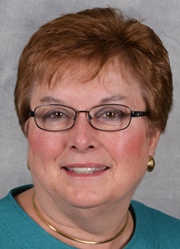
Last action · May 26, 2026: Approved by the Governor - Chapter 705Sponsor: Nancy King
Track this bill to get notified when it advances a stage. One tap to stop, anytime.
What This Bill Does
Maryland enacted legislation requiring the University of Maryland, College Park, alongside the Department of Human Services and the Office of the Comptroller, to study the feasibility of establishing the Supporting Our Infrastructure Program to provide universal monthly payments to caregivers. The final report is due by July 1, 2028, and the law takes effect on July 1, 2026, expiring after three years.
The measure sets in motion a formal evaluation of potential universal monthly stipends for individuals caring for elderly relatives, children or adults with disabilities, or family members with Alzheimer's disease, involving economic impact projections for state tax revenues and labor force participation.
- Wes Moore serves as the Governor of Maryland, who approved Senate Bill 809 on May 26, 2026. context
- The Department of Human Services is a principal state agency in Maryland responsible for administering social services and assistance programs. context
Who It Affects
Groups the bill's text affects, as described in the record. Being affected is not a position for or against it.
Caregivers
Family members and informal caregivers providing support to qualified individuals are the subject of the feasibility study regarding potential universal monthly payments.
University of Maryland, College Park
Must lead the feasibility study and submit the final report on the caregiver infrastructure program.
Department of Human Services
Must assist in conducting the study, identifying funding sources, and consulting with health and aging agencies.
Key Facts
You don't have to trust us. Each fact below is taken straight from the official document - click any one to see the exact passage, highlighted in the original.
Frequently Asked Questions
What is the main purpose of Senate Bill 809?
Who qualifies as a care recipient under the proposed program definitions?
When is the final report due?
What else do you want to know?
News Coverage
Follow the record
Votes, people, money & the original sourceWhere This Stands
Current status: Signed into law.
Procedural history
13 actions- May 26, 2026Governor of MarylandEnrolledApproved by the Governor - Chapter 705
- Apr 9, 2026SenateFloorReturned Passed
- Apr 8, 2026HouseFloorThird Reading Passed (100-35)
- Apr 8, 2026HouseFloorFavorable Adopted Second Reading Passed
- Apr 8, 2026HouseCommitteeFavorable Report by Health
- Mar 25, 2026HouseHearing 4/02 at 1:00 p.m.
Show 7 earlier actions
- Mar 20, 2026HouseCommitteeReferred Health
- Mar 19, 2026SenateFloorThird Reading Passed (45-0)
- Mar 18, 2026SenateFloorSecond Reading Passed with Amendments
- Mar 18, 2026SenateFavorable with Amendments { 583728/1 Adopted
- Mar 18, 2026SenateCommitteeFavorable with Amendments Report by Finance
- Feb 12, 2026SenateHearing 3/11 at 1:00 p.m.
- Feb 6, 2026SenateIntroducedFirst Reading Finance
Version history
Only one version on file - nothing to compare yet. As later stages (committee substitute, engrossed, enrolled) are captured, the redline appears here.
View official text →Lobbying Activity
No state lobbying filings in our records match this bill. Federal lobbying reports (LDA) cover Congress, so they are not listed on state bills.
Full breakdown
Who this bill affects and the strongest case for and against it, written only from the bill’s own text.
Sponsors
Discoveries
Patterns POLISCOPE noticed across the record. These are observations to investigate, not conclusions.
Exploration of Universal Caregiver Payments
The legislation formally initiates a state-level investigation into universal monthly stipends for family caregivers, linking social support to economic metrics like labor force participation.
Connected Entities
Sources
mgaleg.maryland.gov
Analysis Score
0–100- Significance45How much this matters to a regular citizen
- Controversy10Intensity of disagreement among stakeholders
- Entertainment5Compellingness for a non-policy-wonk reader
- Buzz20Current news / social attention level
Publisher tools