
The civic record
Read. Follow. Verify.Missouri Senate Bill 979 allows experienced nurse practitioners to prescribe Schedule II stimulants and practice without collaborative agreements
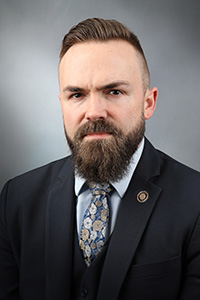
Last action · March 31, 2026: SCS Voted Do Pass w/SCS SBs 979 & 1016 Emerging Issues and Professional Registration Committee (5116S.02C)Sponsor: Nick Schroer
Track this bill to get notified when it advances a stage. One tap to stop, anytime.
What This Bill Would Do
in Missouri with 2,000 documented hours of collaborative practice may prescribe for behavioral health patients and operate independently without a physician collaborative agreement.
Qualifying nurse practitioners gain independent prescriptive and practice authority, altering workforce requirements for healthcare providers and changing prescription access for behavioral health patients in the state.
- Advanced practice registered nurses include nurse practitioners, clinical nurse specialists, nurse anesthetists, and nurse-midwives who have completed advanced graduate-level education. context
- Collaborative practice arrangements legally bind advanced practice registered nurses to maintain a formal working relationship with a licensed physician in order to prescribe certain medications. context
Who It Would Affect
Groups the bill's text would affect if enacted, as described in the record. Being affected is not a position for or against it.
Advanced Practice Registered Nurses
Qualified practitioners gain the authority to practice without a collaborative agreement and prescribe Schedule II stimulants for behavioral health patients.
Behavioral Health Patients
Patients receive expanded access to prescription medications, including Schedule II stimulants, prescribed directly by qualified nurse practitioners.
Certified Registered Nurse Anesthetists
They are explicitly excluded from the collaborative practice exemption provisions outlined in the act.
Key Facts
You don't have to trust us. Each fact below is taken straight from the official document - click any one to see the exact passage, highlighted in the original.
Frequently Asked Questions
Which nurse practitioners qualify to practice without a collaborative agreement?
Can nurse practitioners prescribe stimulants for behavioral health under this measure?
What else do you want to know?
News Coverage
Follow the record
Votes, people, money & the original sourceWhere This Stands
Currently in committee. The next step in the legislative lifecycle is Floor Vote.
Procedural history
6 actions- Mar 31, 2026SenateCommitteeSCS Voted Do Pass w/SCS SBs 979 & 1016 Emerging Issues and Professional Registration Committee (5116S.02C)
- Mar 3, 2026SenateHearing Conducted S Emerging Issues and Professional Registration Committee
- Feb 24, 2026SenateHearing Cancelled S Emerging Issues and Professional Registration Committee
- Jan 8, 2026SenateFloorSecond Read and Referred S Emerging Issues and Professional Registration Committee
- Jan 7, 2026SenateIntroducedS First Read
- Dec 1, 2025SenatePrefiled
Version history & redline
2 versions on fileLobbying Activity
No state lobbying filings in our records match this bill. Federal lobbying reports (LDA) cover Congress, so they are not listed on state bills.
Full breakdown
Who this bill affects and the strongest case for and against it, written only from the bill’s own text.
Sponsors
Discoveries
Patterns POLISCOPE noticed across the record. These are observations to investigate, not conclusions.
Reduction of Physician Collaboration Requirements
The measure removes mandatory collaborative practice agreements for advanced practice registered nurses who meet specific experience thresholds.
Connected Entities
Sources
www.senate.mo.gov
Analysis Score
0–100- Significance65How much this matters to a regular citizen
- Controversy50Intensity of disagreement among stakeholders
- Entertainment5Compellingness for a non-policy-wonk reader
- Buzz40Current news / social attention level
Publisher tools