
The civic record
Read. Follow. Verify.Texas Prohibits Political Subdivisions From Using Public Funds for Hired Lobbyists
Last action · August 18, 2025: Referred to State AffairsSponsors: Leo Wilson and 56 others
Track this bill to get notified when it advances a stage. One tap to stop, anytime.
What This Bill Proposed
Texas s are prohibited from spending public money to hire registered lobbyists or to pay dues to nonprofit associations that employ registered lobbyists, effective 91 days after the legislative session ends. The restriction includes specific exemptions for sheriff associations, employee bill tracking, and individual official testimony, while granting local taxpayers the right to seek and attorney's fees.
Local governments and certain nonprofit groups face new restrictions on how they spend tax dollars to influence state legislation, shifting the legal risk and financial accountability directly onto local entities through taxpayer-initiated lawsuits.
Who It Would Have Affected
Groups the bill's text would have affected, as described in the record. Being affected is not a position for or against it.
Political subdivisions
Political subdivisions are barred from using public funds to hire registered lobbyists or pay dues to lobbying nonprofit associations, and face potential taxpayer lawsuits for violations.
Taxpayers and residents of political subdivisions
Taxpayers and residents gain the legal right to sue for injunctive relief to stop prohibited lobbying expenditures and recover attorney's fees if successful.
Nonprofit associations representing political subdivisions
Associations that employ registered lobbyists may lose membership dues and fee payments from political subdivisions unless they alter their staffing or representation.
Elected sheriffs and law enforcement officers
Associations that solely represent sheriffs or individual law enforcement officers are explicitly exempt from the spending restrictions.
Key Facts
You don't have to trust us. Each fact below is taken straight from the official document - click any one to see the exact passage, highlighted in the original.
Frequently Asked Questions
Can local government employees still talk to state legislators?
What happens if a local government violates the lobbying restriction?
Are sheriff and law enforcement associations affected by this ban?
What else do you want to know?
News Coverage
Follow the record
Votes, people, money & the original sourceWhere This Stands
This bill did not become law - Died at adjournment · in House committee.
Procedural history
3 actions- Aug 18, 2025HouseCommitteeReferred to State Affairs
- Aug 18, 2025HouseIntroducedRead first time
- Aug 15, 2025HouseIntroducedFiled
Version history
Only one version on file - nothing to compare yet. As later stages (committee substitute, engrossed, enrolled) are captured, the redline appears here.
View official text →Lobbying Activity
No state lobbying filings in our records match this bill. Federal lobbying reports (LDA) cover Congress, so they are not listed on state bills.
Full breakdown
Who this bill affects and the strongest case for and against it, written only from the bill’s own text.
Sponsors


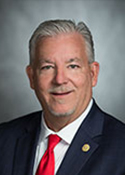

Show 52 more sponsors



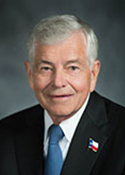


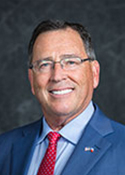
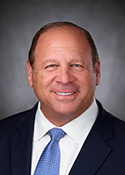








































Connected Entities
Sources
capitol.texas.gov
Analysis Score
0–100- Significance20Lowered because this bill did not pass (its text scored 75)
- Controversy65Intensity of disagreement among stakeholders
- Entertainment10Compellingness for a non-policy-wonk reader
- Buzz40Current news / social attention level
Publisher tools