
The civic record
Read. Follow. Verify.South Carolina House encourages local governments to adopt organics-first pest management and ban synthetic…
Last action · March 4, 2026: Introduced and adopted (House Journal-page 3)Sponsors: Bill Herbkersman and 123 others
Track this bill to get notified when it advances a stage. One tap to stop, anytime.
What This Bill Would Do
The South Carolina House of Representatives adopted a resolution on March 4, 2026, urging counties, municipalities, school districts, and other political subdivisions to adopt organics-first practices. The measure encourages local public entities to prioritize prevention-based, least-toxic organic practices and prohibit on public lands, habitat restorations, and roadside management.
Local public entities are asked to change how they manage parks, school grounds, and rights-of-way by shifting away from synthetic chemical applications, though the resolution carries no legal mandate or funding mechanism.
- Integrated pest management is an ecological approach to controlling pests by combining biological, cultural, physical, and chemical tools in a way that minimizes economic, health, and environmental risks. context
- Resolutions in state legislatures express the collective sentiment or policy preference of the adopting chamber but do not carry the force of law. context
Who It Would Affect
Groups the bill's text would affect if enacted, as described in the record. Being affected is not a position for or against it.
Counties, municipalities, and school districts
Local public entities are encouraged by the House to voluntarily transition their public land, park, and roadside management to organics-first pest management standards.
Residents, workers, and wildlife
Individuals and local ecosystems experience altered exposure levels to synthetic pesticides and herbicides depending on whether local subdivisions adopt the recommended standards.
Key Facts
- The South Carolina House of Representatives adopted House Resolution 5305 on March 4, 2026.
- The resolution urges counties, municipalities, school districts, and other political subdivisions to establish organics-first integrated pest management practices.
- The suggested standards prioritize prevention-based, least-toxic organic practices and ask local entities to prohibit synthetic pesticides on public lands.
- Covered areas for the suggested policy include public land management, habitat restoration, and roadside management.
Show all 6 facts
- The measure cites environmental concerns regarding stormwater and watershed risks, monarch butterfly habitats, and honey bee populations facing chemical stressors.
- The text notes examples from other jurisdictions, including Montgomery County (Maryland), King County (Washington), and the State of Connecticut.
Frequently Asked Questions
Does this resolution legally require local governments to stop using synthetic pesticides?
What specific areas are targeted for pesticide reduction under the resolution?
What else do you want to know?
News Coverage
Follow the record
Votes, people, money & the original sourceWhere This Stands
Currently filed. The next step in the legislative lifecycle is Committee.
Procedural history
1 action- Mar 4, 2026HouseIntroducedIntroduced and adopted (House Journal-page 3)
Version history
Only one version on file - nothing to compare yet. As later stages (committee substitute, engrossed, enrolled) are captured, the redline appears here.
View official text →Lobbying Activity
No state lobbying filings in our records match this bill. Federal lobbying reports (LDA) cover Congress, so they are not listed on state bills.
Full breakdown
Who this bill affects and the strongest case for and against it, written only from the bill’s own text.
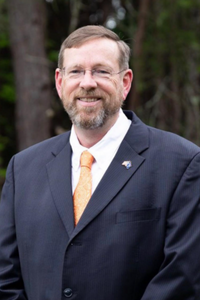
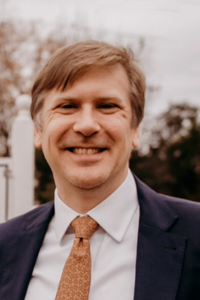
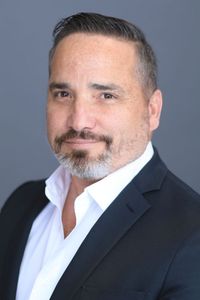
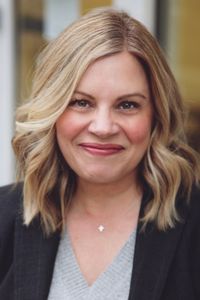
Sponsors


Show 119 more sponsors
























Discoveries
Patterns POLISCOPE noticed across the record. These are observations to investigate, not conclusions.
Reference to Out-of-State Models
The resolution explicitly references successful pesticide safeguard practices implemented in Montgomery County (Maryland), King County (Washington), and the State of Connecticut as policy templates.
Connected Entities
Sources
www.scstatehouse.gov
Analysis Score
0–100- Significance20How much this matters to a regular citizen
- Controversy15Intensity of disagreement among stakeholders
- Entertainment5Compellingness for a non-policy-wonk reader
- Buzz10Current news / social attention level
Publisher tools