
The civic record
Read. Follow. Verify.New Mexico enacts Audiology and Speech-Language Pathology Interstate Compact for multi-state practice
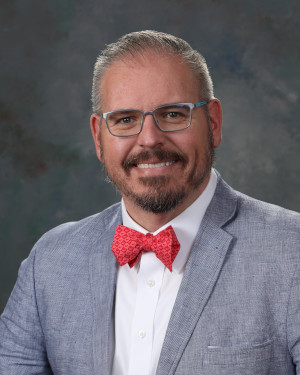
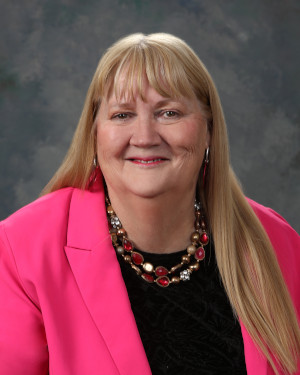
Last action · January 29, 2026: Sent to SHPAC - Referrals: SHPAC/SJCSponsors: Paulene Abeyta and 10 others
Track this bill to get notified when it advances a stage. One tap to stop, anytime.
What This Bill Proposed
New Mexico adopts the Audiology and Speech-Language Pathology Interstate Compact, allowing eligible audiologists and speech-language pathologists to practice across member states via a . The measure establishes background check requirements, creates a governing commission, and mandates state board oversight.
Licensed audiologists and speech-language pathologists gain a streamlined pathway to practice in multiple member states without obtaining separate traditional licenses, while patients gain expanded access to in-person and telehealth care.
- Interstate compacts are formal agreements between states designed to streamline regulatory standards and facilitate cooperation across jurisdictional boundaries. context
Who It Would Have Affected
Groups the bill's text would have affected, as described in the record. Being affected is not a position for or against it.
Audiologists
Licensed audiologists gain the option to practice in other member states via a compact privilege and become subject to compact commission rules and background check requirements.
Speech-Language Pathologists
Licensed speech-language pathologists gain multi-state practice authorization through the compact while remaining subject to state practice laws and board oversight.
Speech-Language Pathology, Audiology and Hearing Aid Dispensing Practices Board
The state board is tasked with appointing commission delegates, posting bylaws and rules on its website, sharing data, and conducting criminal background checks.
Key Facts
You don't have to trust us. Each fact below is taken straight from the official document - click any one to see the exact passage, highlighted in the original.
Frequently Asked Questions
What is the main purpose of the Audiology and Speech-Language Pathology Interstate Compact?
Can an employer force a practitioner to use the interstate compact?
What happens if a practitioner's home-state license is encumbered?
What else do you want to know?
News Coverage
Follow the record
Votes, people, money & the original sourceWhere This Stands
This bill did not become law - Died at adjournment · passed the House · in Senate committee.
Procedural history
5 actions- Jan 29, 2026SenateCommitteeSent to SHPAC - Referrals: SHPAC/SJC
- Jan 28, 2026HouseFloorPassed in the House of Representatives - Y:67 N:0
- Jan 27, 2026HouseHJC: Reported by committee with Do Not Pass but with a Do Pass recommendation on Committee Substitution
- Jan 21, 2026HouseHHHC: Reported by committee with Do Pass recommendation
- Jan 20, 2026HouseCommitteeSent to HHHC - Referrals: HHHC/HJC
Version history
Only one version on file - nothing to compare yet. As later stages (committee substitute, engrossed, enrolled) are captured, the redline appears here.
View official text →Lobbying Activity
No state lobbying filings in our records match this bill. Federal lobbying reports (LDA) cover Congress, so they are not listed on state bills.
Full breakdown
Who this bill affects and the strongest case for and against it, written only from the bill’s own text.
Sponsors

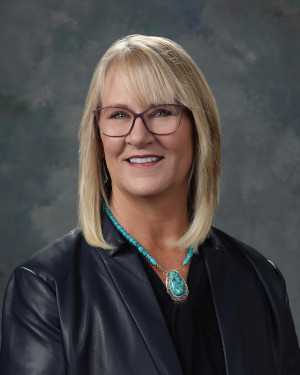


Show 6 more sponsors


Discoveries
Patterns POLISCOPE noticed across the record. These are observations to investigate, not conclusions.
Transition to Multi-State Practice Framework
The bill shifts New Mexico from a strict single-state licensing model for audiologists and speech-language pathologists toward a reciprocal interstate compact structure.
Connected Entities
Sources
www.nmlegis.gov
Analysis Score
0–100- Significance20Lowered because this bill did not pass (its text scored 65)
- Controversy25Intensity of disagreement among stakeholders
- Entertainment5Compellingness for a non-policy-wonk reader
- Buzz20Current news / social attention level
Publisher tools