
The civic record
Read. Follow. Verify.No Pardon Paydays Act of 2026 prohibits federal officials from accepting compensation for pardon recommendations
Last action · September 3, 2026: Referred to the Committee on the Judiciary, and in addition to the Committee on House Administration, for a period to be subsequently determined by the Speaker, in each case for consideration of such provisions as fall within the jurisdiction of the committee concerned.Sponsors: Suhas Subramanyam and 2 others
Track this bill to get notified when it advances a stage. One tap to stop, anytime.
What This Bill Would Do
This bill prohibits any federal officer or employee from soliciting, accepting, or receiving compensation in exchange for recommending or influencing a presidential pardon or . It establishes criminal penalties for those who violate this prohibition.
The bill creates a new federal criminal offense to prevent the potential sale of influence regarding , directly impacting the ethical standards for all federal employees and officials.
Who It Would Affect
Groups the bill's text would affect if enacted, as described in the record. Being affected is not a position for or against it.
Federal officers and employees
They are subject to new prohibitions regarding the acceptance of compensation for influencing executive clemency.
Key Facts
You don't have to trust us. Each fact below is taken straight from the official document - click any one to see the exact passage, highlighted in the original.
Frequently Asked Questions
What does this bill change?
What else do you want to know?
News Coverage
Follow the record
Votes, people, money & the original sourceWhere This Stands
Currently in committee. The next step in the legislative lifecycle is Floor Vote.
Procedural history
2 actions- Sep 3, 2026HouseCommitteeReferred to the Committee on the Judiciary, and in addition to the Committee on House Administration, for a period to be subsequently determined by the Speaker, in each case for consideration of such provisions as fall within the jurisdiction of the committee concerned.
- Sep 3, 2026HouseIntroducedIntroduced in House
Version history
Only one version on file - nothing to compare yet. As later stages (committee substitute, engrossed, enrolled) are captured, the redline appears here.
View official text →Full breakdown
Who this bill affects and the strongest case for and against it, written only from the bill’s own text.
Sponsors

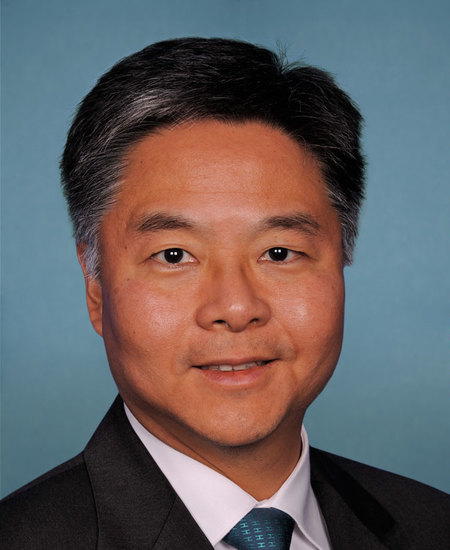
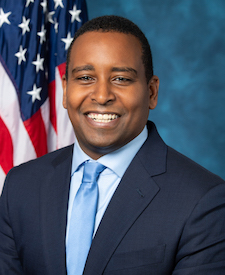
Discoveries
Patterns POLISCOPE noticed across the record. These are observations to investigate, not conclusions.
Expansion of federal ethics prohibitions
The bill represents a targeted effort to codify ethics standards specifically around the executive clemency process.
Connected Entities
Sources
www.congress.gov
Analysis Score
0–100- Significance65How much this matters to a regular citizen
- Controversy40Intensity of disagreement among stakeholders
- Entertainment20Compellingness for a non-policy-wonk reader
- Buzz30Current news / social attention level
Publisher tools