
POLISCOPE

The public record

FLORIDA · STATEWIDEHeld · official record pendingPartial coverage

Fiscal Policy

Monday, March 2, 2026 · Government meeting record

The 30-second read

Record incomplete

This is a record of a 4-hour and 38-minute meeting held by the Florida Senate Committee on Fiscal Policy on March 2, 2026. The document serves as a placeholder for the video archive of the proceedings.

Why it matters

This meeting record provides the official documentation for legislative discussions regarding state fiscal policy that occurred on March 2, 2026.

What happens next

The scheduled meeting date has passed. Minutes or an action agenda are not published in the records we hold.
This meeting date has passed and no official outcome record has been published yet. Nothing on this page is a decision.

People and votes

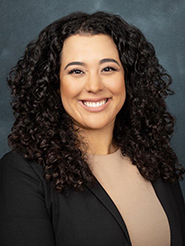
Alexis Calatayud

State Senator District 38

Open person dossier

The reviewed record lists this person as present but does not attribute a motion, statement, or individual vote to them.

Transcript and record text

Closed captionsWhat was said at the meeting, transcribed Sep 28, 2026. Speech is not a decision.
  • Some speaker identities remain unresolved.

The opening of 234,725 stored characters

>> Good morning. The Committee on fiscal policy will now come to order. Michelle, please call the roll. >> Chair Gruters, Vice Chair Osgood. >> Here. >> Senator Arrington? >> Here. >> Senator Avila. Senator Bernard. >> Here. >> Senator Boyd. >> Senator Bracy Davis? >> Here. >> Senator Bradley. >> Here. >> Senator Burton,. >> Senator Calatayud. Senator Davis. Senator Gaetz. >> Here >> Senator Jones. Senator Leek. >> Here. >> Senator Mayfield. >> Here. >> Senator Passidomo. >> Here. >> Senator Rodriguez. Senator Simon. Senator Truenow. >> Here. >> Senator Yarborough. >> Here. >> Quorum is present. >> Thank you. Chair Gruters and Senator Avila are excused from today's meeting. CS for CSSB 162 and CS for CSSB 1634 by Senator Grall, on tabs 22 and 23 will not be heard in today's meeting. Please silence all electronic devices, and anyone speaking before the committee should complete an appearance form and hand it to the member of the sergeant's office. Should you select to waive your speaking time, your position will be included in the committee meeting records. Senators, we will now take up Tab 1, CS for SB 42 on specific medical diagnosis and child protective investigations by, Senator Sharief. This bill has one late file delete all amendment. Unless there is objection, let's take up the late file delete all amendment Barcode 544198 by, Senator Sharief. Senator Sharief, you are recognized to explain the amendment. >> Good morning, Madam Chair, and members of the committee. I have the strike all amendment, amendment Barcode 544198. This strike all amendment makes no substantive changes, only stylistic and language changes to align with the House Bill. Chair, that is the strike all. >> Are there any questions on the amendment? Are there any appearance forms on the amendment? Is there any debate on the amendment? Senator Sharief, you are recognized to close on the amendment. >> Waive closed, Madam Chair. >> All in favor of the amendment, say yea. Any opposed, say nay. The amendment is adopted. Are there any questions on the bill as amended? We do have a few appearance forms on the bill as amended. We have, Christie Lee, speaking for the bill, waive in support. Thank you. We have looks like, Carrie Buckingham, speaking for the bill. Waive in support, okay. Jessica McLain, waiving in support, state employee. Darryl Buchanan waiving in support. Is there a debate on the bill as amended? Senator Sharief, you're recognized to close on the bill as amended. >> Thank you, Madam Chair. This bill when enacted, will help our child protective team and DCF determine rare medical conditions like Ricketts, Ehlers-Danlos Syndrome, Osteogenesis Imperfecta, and vitamin D deficiency. And give parents an opportunity to put on a defense for getting their kids back if they need to prove their innocence. Also, I'd like to add that I am grateful for the support of, Senator Grall, as well as, Senator Gaetz, on this bill. And I also like to add that we have a letter that we circulated. Our 118 speakers waived in support today to save you a few hours. So you should be very happy. And with that, Madam Chair, I waive close. >> Michelle, please call the roll on CS for CSSB 42. >> Senator Arrington. >> Yes. >> Senator Avila. Senator Bernard. >> Yes. >> Senator Boyd. >> Yes. >> Senator Bracy Davis. >> Yes. >> Senator Bradley. >> Yes. >> Senator Burton. >> Yes. >> Senator Calatayud. Senator Davis. >> Senator Gaetz. >> Yes. >> Senator Jones. >> Yes. >> Senator Leek. >> Yes. >> Senator Mayfield. >> Yes. >> Senator Passidomo. >> Yes. >> Senator Rodriguez. Senator Simon. Senator Truenow. Yes. >> Senator Yarborough. >> Yes. >> Vice Chair Osgood? >> Yes. >> Senator Gruters. >> By your vote, CS for CSSB 42 is reported favorably. >> Thank you, Madam Chair. Thank you seat committees. >> Senators, we will now go to Tab 20 SB 1570 on statewide project for missing persons with special needs by Senator Gaetz. Senator Gaetz, you are recognized to explain the bill. >> Thank you very much, Madam Chair. On behalf of Leader Berman and myself, Senate Bill 1570 restores a program Florida previously had in statute to help locate missing persons with special needs who are at high risk of elopement. The project was originally created in 2016 and operated through the card centers. It later expired under a sunset provision. This bill simply revives that same framework. It allows participating card centers to work with local sheriff's office to provide voluntary tracking devices for individuals who are at significant risk of wandering. It's not an ankle bracelet. It's like a wrist watch. So law enforcement can respond quickly when a person goes missing. The legislation also provides nonrecurring funding, so the program can operate within existing resources with participation prioritized based on risk and local need. This is about restoring a proven limited tool to help families and first responders act quickly when autistic or other special needs persons wander and have to be found when seconds matter, and that's the bill. >> Are there any questions on the bill? Any appearance form? Seeing none. Any debate on the bill? Senator Gaetz, you'll recognize to close on the bill. >> Waive close, ma'am. >> Michelle, please call the roll on SB 1570. >> Senator Arrington? >> Yes. >> Senator Avila. Senator Bernard. >> Yes. >> Senator Boyd. >> Yes. >> Senator Bracy Davis. >> Yes. >> Senator Bradley. >> Yes. >> Senator Burton. >> Yes. >> Senator Calatayud. Senator Davis. Senator Gaetz. >> Yes. >> Senator Jones. >> Yes. >> Senator Leek. >> Yes. >> Senator Mayfield. >> Yes. >> Senator Passidomo. >> Yes. >> Senator Rodriguez. Senator Simon. Senator Truenow. Senator Yarborough. >> Yes. >> Vice Chair Osgood. >> Yes. >> Senator Gruters. >> By your vote, SB 1570 is reported favorably. Senators we will now take up Tab 2, CS for CSSP 182 on school teacher training and mentoring programs by, Senator Jones. Senator Jones, you are recognized to explain the bill, sir. >> Thank you so much, Madam Chair. This bill establishes the school teacher training and mentoring program within the Department of Education. The purpose of this program is to increase the effectiveness and implementation of best practices of classroom, teachers, and improve student achievement, classroom management, and excellence in the state's public and charter schools. The program authorizes school district and charter schools to place current and retired, high performing classroom teachers in schools earns a D or F to act as mentors to classroom teachers. Mentors will serve as a neutral sounding board for the mentees and provide direction, demonstration, and recommendations to help the mentees develop the necessary skills and expertise. Teacher mentors must have at least three years of teaching experience, earn a highly effective rating on their most recent performance evaluation, and receive a stipend of up to $3,000. Which would be funds from the educational enrichment allocation, which may be used for this. Under the bill, the Department of Education shall establish program standards and a contract template for the teacher mentor and mentee that outlines each person's responsibilities, and establishes the program's framework and goals. Under this bill, teacher mentors must provide direction, advice, and a neutral sounding board to their mentees, and must help them develop instructional skill and expertise. That's the bill, Madam Chair. >> Are there any questions on the bill, Senator? We do have one appearance form, Kiaira Nixon with equal Ground Action Fund waiving and support. Is there any debate on the bill? Senator Jones, you're recognize to close on the bill. >> Waive close, Madam Chair. >> Michelle, please call the roll on CS for CSSB 182. >> Senator Arrington? >> Yes. >> Senator Avila. Senator Bernard. >> Yes. >> Senator Boyd. >> Yes. >> Senator Bracy Davis. >> Yes. >> Senator Bradley. >> Yes. >> Senator Burton. >> Yes. >> Senator Calatayud. Senator Davis. Senator Gaetz. >> Yes. >> Senator Jones. >> Yes. >> Senator Leek. >> Yes. >> Senator Mayfield. >> Yes. >> Senator Passidomo. >> Yes. >> Senator Rodriguez. Senator Simon. Senator Truenow. Senator Yarborough. >> Yes. >> Vice chair, Osgood. >> Yes. >> Chair Gruters. >> By your vote, CS for CSSB 182 is reported favorably. Senators, we will now take up Tab 10, CS for CSSB 794 on agency for persons with disabilities by, Senator Jones. Senator Jones, you're recognized to explain the bill. >> Thank you so much, Madam Chair. This is SB 794 that requires that every employee of a residential facility or day training program for people with developmental disabilities be background screened. The bill also addresses the review of waiver support coordination for the following. Quality, consistency, and accessibility of services, traits of high quality support coordination, best practices in areas of improvement, metrics to assess support cordinated performance, prerequisites for employment as a support coordinator, methods to assess core competencies, efficacy of the mentor program, recruitment and retention challenges, individual case loads, support coordination challenges, parent caregiver, and guardian satisfaction. Finally, it requires a review of gaps and access to service geographically throughout Florida. This information will then be recommend core competencies for waiver support cordinators, ways to assess competencies and standardize the assessment of support coordinator service provisions. These recommendations will be provided to the legislature and governor in February of 2027. That's the bill, Madam Chair. >> Are there any questions on the bill? We do have a few appearance forms. We have, Alison Holmes, speaking for the bill. We'll take JJ first, of course. Hey, JJ, good morning. >> Hey. >> Are you ready? >> Yeah. >> Okay, hold on. Alright. >> Before I start, I just have one quick question. Who decided that an agency serving a ton of people, where a lot of them have all sorts of speech disabilities, should hire a director whose last name sounds like we're taking a final exam in advanced Phonics? Director Bob is definitely a keeper, but I just think next time maybe run the name past us first. So we can practice without pulling a vocal muscle. Anyway, I know this bill is mostly about background checks. But it also talks about surveying clients about the quality, consistency, and accessibility of waiver support coordination. And it talks about defining high quality attributes, best practices, caseload ratios, mentoring, retention. So if you're going to survey us, I'm here to save the university some time. The secret sauce isn't some magical ingredient. It's investment. It's reasonable case loads. It's strong training, and it's keeping the good ones. I'm a nigh budget waiver client who's still in active recovery from my years on managed care. I've lived in both systems, and I know what works and what doesn't. In managed care, their support coordinators are called care managers, and I met my care manager exactly one time. It felt like a celebrity citing him when she left. I never met or spoke to the new care manager. To give you all a break from data and numbers, I'll use one of my passions, musicals, to explain things. Basically, my care manager from Children's Medical Services was like Annie singing It's a Hard Knock Life and me thinking tomorrow, I love you tomorrow. Because there was always the chance a day away could come with better support. But then after surviving the managed care Wizard of Oz tornado, when I moved to the eye budget waiver, and it was like Dorothy going from black and white to full technicolor. My waiver support coordinator is called Shifra and she channels Mary Poppins energy, and is practically perfect in every way. She knows her stuff. She anticipates problems and goes to bat for me every time. I have a connection, and we all need that in our lives. When Shifra shows up, it's not just a visit. It's like the hills are alive with the sound of actual follow through. She doesn't just check boxes. She makes sure what's supposed to happen actually happens, which, with all due respect, shouldn't be revolutionary. >> Schiffer has been doing this job since before I was born, and which means I don't get the revolving door of employees like you do with managed care. What I'm saying is high quality support coordination is having someone who knows what they're doing and someone who actually knows you. Because a great waiver support coordinator changes everything. Not in a dramatic Broadway musical way, but in a steady, reliable. Life actually functions way where you're not living every day waiting for the next plot twist. And for people like me, that means everything. Thank you for listening. >> Thank you, JJ. Next, we will have Allison Holmes. >> Thank you. And I just want to reiterate what he said because with our care manager, when we complained about missing rides, we would file a complaint. Just we would get letters back saying, your complaint's valid and your grievance has been resolved. Now, we know that things will actually happen. So we love waiver support coordinators. We love the iBudget Waiver, and are very, very grateful for everybody making it happen, especially one person. Thank you. >> Madam Chair, I just want to make a comment? >> Senator Mayfield, you're recognized. >> Thank you. Thank you again and all the things that you and AJ do to make sure that the rest of the citizens are getting the recognition, too on their managed care program. And I know you've been to our delegation meeting in Bouvard County, which is not an easy trip for you to make, but you've been to our delegation meeting, which I'm sure you've been to many other delegation meetings as well. Which is good. I mean, it's always good to hear our citizens and what we put in place, how it actually works. Sometimes what we envision, the way it's going to work is not the way it works, and we won't know that unless people give us feedback on what those issues are. >> But you listen, and that means the world. Thank you. Thanks. >> Thank you, AJ, for coming. >> Is there any debate on the bill? Senator Bracy Davis. >> Thank you, Madam Chair. While I am so grateful for Senator Jones for bringing this bill, I want to also shout out Central Florida's finest JJ Holmes. Thank you so much for coming and being a continued advocate and avenger for the disabled community. We are so grateful for your voice and even your humor. But we're just really appreciative that you're ensuring that the disabled community is not forgotten and that they are top of mind. So thank you for making the trip. Thank you for continuing to lift your voice. And thank you, Senator Jones, for the bill. >> Thank you. Any of the other debates, Senators. >> Senator Davis. >> Senator Davis. >> Thank you, Madam Chair. Just a few words. We've done a lot of programs, put together a lot of programs to support our folks with disabilities and throughout every community throughout this state. Thank you, Senator Jones. This is a great piece of legislation. It goes along with the constant conversation of without support coordinators, our programs would not be able to exist. And that's what we have here today, perfect example of ensuring that we have skilled trained, knowledgeable support coordinators. But even beside that, we have support coordinators to ensure that our programs, especially our iBudget Waiver program continues to exist. It feels like in recent history, there's been a fight between the iBudget Waiver versus our managed care plans, and we don't have to have one over the other. So thank you for that. Thank you for this piece of legislation. And I know we're all in support of moving it forward. Thank you. >> Thank you, Senators, any other debate on the bill? Hey, Senator Jones, you're recognized to close on the bill. >> Thank you so much. Madam Chair. Thank you, Senator Mayfield for your words, but also thank you to JJ and Allison. You all are true advocates for the people with disabilities who live here within the state. I always enjoy JJ's humor when he speaks before our committee, and I also want to thank my partner in this work, myself and Representative Ted, has been I've been partnering with her on these type of projects for the past few years. And as you know, this hits her home directly with her own child. And so I'm so happy to support this piece of legislation. And I'll end with this, Madam Chair and Senator Davis said at fine is that, our people with disabilities, they deserve not just support, but they deserve competent support here within the State of Florida. And so I'm happy to put forth this good piece of legislation, and hopefully I can have you all support today. Thank you, Madam Chair. >> Thank you, Senator Jones, thank you for that clothes. I apologize, Team. We have Melissa Mazata that she put in a form to speak. We don't have it, but we want to give her an opportunity to speak. Melissa, you here? >> Thank you. I'm sorry. I don't know what happened that form, but it's back there somewhere. Thank you, Chair Osgood, and committee members and staff. My name's Melissa Mazata, and I am a support coordinator in the APD iBudget Medicaid waiver program. And I've operated a support coordination agency for almost since the program's inception, over 30 years ago. And every family on the waiver must have a support coordinator to access services. When support coordination is done well, as you've heard, it creates stability, predictability, and a peace of mind for the families. It requires a deep knowledge of the waiver services, of budgets, cost plans, non waiver services in one's community, and importantly, the human element of Karen. Fortunately, through the years, these basic levels of knowledge, professionalism, and caring have become inconsistent in this field. And I want to thank you, Senator Jones, for sponsoring this important bill that strengthens standards to improve quality and consistency of support coordination throughout the state. High quality support coordination is not just about paperwork, it stabilizes the entire waiver system. Another unfortunate fact is that the mindset has been better to have a bad support coordinator than no support coordinator at all, and this bill definitely aims to address that. When families are properly guided, services and funding are used appropriately, crises are reduced and transitions are smoother. That stability is what allows the system to grow responsibly and to ultimately help clear that wait list. I also want to recognize and thank the Senate very much for the advocation of the initiatives to improve the waiver. In the budget, the Senate has provided money for rate increases and for onboarding needed waiver service providers, including support coordinators to ensure that there are services available throughout the state for people who need them. That onboarding investment will be money well spent, I promise you. Bringing in and properly training qualified support coordination increases capacity. It improves retention, and it directly supports the state's goal of reducing the wait list. And Director Bob Astalos, JJ's comment about his last name, it's so funny, but he's doing a great job. Director Bob, as a family fondly referred to him as he's doing a great job at APD, and he has made the reduction of the waitlist a priority. And expanding and strengthening the support coordination component. Our workforce is essential to aggressively attacking that wait list and achieving that goal. So your support of Senate Bill 794 and those related budget items that I mentioned, we see a marketed improvement for the states program that cares for our most vulnerable citizens, people with developmental disabilities. So thank you. I'm happy to answer any questions you might have about support coordination. >> Thank you, Melissa. Would you help me by filling out another come on for me, please. Thank you so much. Senator Jones has closed on the bill. Michelle, please call the roll on CS for CSSP 794. >> Senator Arrington? >> Yes. >> Senator Avila. Senator Bernard? >> Yes. >> Senator Boyd. Senator Bracy Davis? >> Yes. >> Senator Bradley. >Yes. >> Senator Burton. >> Yes. >> Senator Claudia. Senator Davis. >> Yes. >> Senator Gates? >> Yes. >> Senator Jones? >> Yes. >> Senator Leek? >> Yes. >> Senator Mayfield. >> Yes. >> Senator Passidomo? >> Yes. >> Senator Rodriguez. Senator Simon. >> Yes. >> Senator Trunau. Senator Yarborough. >> Yes. >> Vice Osgood? >> Yes. >> By your vote, CS for CSSP 794 is reported favorably. Senator Desigili has requested that Senate Bill 654 Bill TP. Please show that bill TP. Next Senators, we will take up Tab 11. CS for SB1168 on background screenings by Senator Grall. Senator Grall, there is one late file delete all amendment Unless there is objection. Let's take up the late file delete All amendment. Bar code 128520 by Senator Grall. Senator Grall, you are recognized to explain the amendment. >> You, Madam Chair. The amendment limits the scope of the original bill significantly, but takes care of a lot of functional challenges and coordination that needs to happen within the state's background screening program. And it updates the definition of athletic coach to include a volunteer coach, assistant coach, manager, or referee. It defines a team based in this state, requires independent sanctioning authorities to be considered a qualified entity and participate in the care provider, background screening clearinghouse. It exempts a person under 18 or a referee of any age from background screening requirement if they have a level one background check. And are under the direct supervision of an athletic coach who has a Level 2 background check. It creates a provision for qualified entities to designate a user administrator to act as the primary point of contact and to manage compliance with the state and federal laws. And starting January 1st, 2026, the clearing house can only share certain background check records with a qualified entity in two specific situations if the person disputes the background check record under the process described in that section, or if the qualified entity is an independent sanctioning authority that follows the federal protecting victims from Sexual Abuse and Safe Sport Authorization Act of 2017, and it creates an exception for expasion sealing of records that a person may not deny or fail to acknowledge expunge or sealed record if they are screened through the clearinghouse so that the clearinghouse can make the proper determination with regard to disqualification. That is the amendment. And it aligns us with the House version. >> Thank you. Are there any questions on the amendment, Senators? We have no appearance forms on the amendment. Is there debate on the amendment. Senator Grall, you're recognized to close on the amendment. >> Wave closed. >> All in favor of the amendment indicated by saying yae. >> Yae. >> Any opposed? Say nay. The amendment is adopted. Are there questions on the bill as amended? We do have one appearance form. Allison Cavajo waving and support Florida Recreation Parks Association. Is there any debate on the bill as amended? Senator Grall, you're recognized to close on the bill as amended. >> Wave closed. >> Michelle, please call the roll on CS for CSSP 1168. >> Senator Arrington? >> Yes. >> Senator Avila. Senator Bernard? >> Yes. >> Senator Boyd? >> Yes. >> Senator Bracy Davis? >> Yes. >> Senator Bradley? Senator Burton. >> Yes. >> Senator Claudia? >> Yes. >> Senator Davis? >> Yes. >> Senator Gates? >> Yes. >> Senator Jones? >> Yes. >> Senator Leek? >> Yes. >> Senator Mayfield. >> Senator Passidomo? >> Yes. >> Senator Rodriguez? Senator Simon? >> Yes. >> Senator Trunau. Senator Yarborough. >> Vice Chair Osgood. >> Yes. >> By your vote, CS for CS SB 1168 is reported favorably. Senators, we will now take up Tab 3 CS for SB 214 on special district funding by Senator McCain. Senator McCain, you'll recognize to explain the bill. >> Good afternoon, Chair Osgood, Senators, thank you for allowing me to present Senate Bill 214. Senate Bill 214 will help rural communities and certain rural special districts manage cash flow on state and federally funded agreements by allowing agencies to pay invoices for verified work. That is the bill. >> Okay. Are there any questions on the bill? There are two amendments. Let's take up Amendment bar code number 659650 by Senator McCain. >> Thank you, Madam Chair. >> I'm sorry, Senator McCain. >> Thank you. >> There is also a substitute amendment. So if you guys are not in opposition, we will take up the substitute amendment, Bar Code 951808 by Senator McCain to replace Amendment bar code 659650. Senator McCain, you are recognized to explain the substitute amendment. >> Thank you, Chairman. Senators, the amendment will allow the intent is to allow the agency to provide for the payment of invoices due verified and eligible under the performance completed under the agreement versus it being a reimbursement. They would be able to send the invoice in direct and have it paid. >> Are any questions on the substitute amendment? Are there any appearance forms? Seeing none. Is there any debate on the substitute Amendment? Senator McCain, you are recognized to close on the substitute amendment. >> I'll waive close. >> All in favor of the amendment, say yea. >> Yea. >> Any opposed? Say nay. The amendment is adopted. We're back on the bill as amended. Are there any questions on the bill as amended? We do have one appearance form. Edgar Fernandez waving in support. Is there any debate on the bill as amended? Senator McCain, you are recognized to close on the bill is amended. >> Thank you. Senators, the bill is amended, we keep the focus on paying for verified work under existing agreement controls while improving invoice timing for eligible rural communities and key rural infrastructure providers. Thank you. >> Michelle, please call the roll on CS for CS SB 214. >> Senator Arrington? >> Yes. >> Senator Avila, Senator Bernard. Senator Boyd? >> Yes. >> Senator Bracy Davis? >> Yes. >> Senator Bradley? Senator Burton? >> Senator Calatayud? >> Yes. >> Senator Davis? >> Yes. >> Senator Gaetz? >> Yes >> Senator Jones? >> Yes. >> Senator Leek. >> Yes. >> Senator Mayfield. >> Yes. >> Senator Passidomo? >> Yes. >> Senator Rodriguez? >> Yes. >> Senator Simon? >> Yes. >> Senator Truenow? >> Yes. >> Senator Yarborough? >> Yes. >> Vice Chair Osgood? >> Yes. By your vote, CS/CS/SB 214 is reported favorably. Senators, we will now take up Tab 17 CS/SB 1376 on grants for genetic counseling education by Senator Burgess. Senator Burgess, you are recognized to explain the bill. >> Good morning, Madam Chair. You're looking great in that seat. This bill seeks to address the shortage of genetic counselors in our state by establishing an education grant program to support students pursuing a career in genetics, and the state universities who are helping Florida meet the current and future demand of the rapidly growing genomic medicine industry. >> Are there any questions on the bill? Any appearance forms? Is there any debate on the bill? Senator Burgess, do you recognize to close on the bill? >> Wave closed. >> Michelle, please call the roll on CS/SB 1376. >> Senator Arrington? >> Yes. >> Senator Avila? >> Yes. >> Senator Bernard? >> Yes. >> Senator Boyd? >> Yes. >> Senator Bracy Davis? >> Yes. >> Senator Bradley? >> Yes. >> Senator Burton? >> Yes. >> Senator Calatayud? >> Yes. >> Senator Davis? >> Yes. >> Senator Gaetz? >> Yes. >> Senator Jones? >> Yes. >> Senator Leek? >> Yes. >> Senator Mayfield? >> Yes. >> Senator Passidomo? >> Yes. >> Senator Rodriguez? >> Yes. >> Senator Simon? >> Yes. >> Senator Truenow? >> Yes. >> Senator Yarborough? >> Yes. >> Vice Chair Polsky? >> Yes. By your vote, CS/SB 1376 is recognized favorably. Thank you. Senators, we will now go to Tab 21, Senate Bill 1574 on newborn screenings by Senator Bracy Davis. Senator Bracy Davis, you're recognized to explain the bill. >> Thank you so much, Madam Chair. Senate Bill 1574, also known as Mattie’s Law, addresses a gap in our newborn screening system by adding screening for biliary atresia, a rare but life-threatening condition that affects infants in the earliest weeks of life. Biliary atresia is a disease in which the bile ducts are blocked, preventing bile from leaving the liver. Without early diagnosis and treatment, this condition can lead to rapid liver damage and ultimately liver failure. What makes this disease especially challenging is the outcomes are highly time-dependent. Evidence shows that surgical intervention, performed within the first 30-45 days of life, offers the best chance of delaying or even avoiding liver transplant. This bill requires the Department of Health to incorporate screening for biliary atresia into the existing newborn screening program. Thank you, Madam Chair. >> Thank you. Are there any questions on the bill? We have one appearance form. Michael Beacham speaking for. >> Thank you, Madam Chairman and Committee members. >> Mattie, my wife, Alison, and I have had the honor to speak to many of you in the past. I'll keep this very short. Shortest is common sense legislation that will be low to no cost. Saved seven or more Floridian babies each year, and saved the state tens of millions of dollars in avoided transplants. Senator Bracy Davis explained a little bit about the disease in her opening, and we provided to you each of your teams to include in your packets, a little about Mattie's journey. So I just want to quickly focus on the fiscal impact. We've been in regular communication and coordination with the Department of Health Leadership on all the below. This proposal does not create a new program. It does not require any new infrastructure. It does not require any new equipment. It simply modifies an existing newborn lab protocol. Every baby born in Florida already receives a total bilirubin test. This test is already processed through hospital labs and Medicaid billing systems, and Florida already has an ACA code, billing code 82249, for a combined total and direct bilirubin test. So this is not a system expansion. It's a measurement adjustment within an existing test. And here are the numbers. Approximately 240,000 babies are born annually in the State of Florida. Of those, about 2,400 will screen above the direct bilirubin of 1.0 and require a repeat test within two weeks. The Medicaid reimbursement rate for this repeat test is $3.01. That results in approximately $7,200 in total annual follow-up testing, most of which is covered through private insurers. That follow up testing will identify approximately 24 infants per year with biliary atresia early enough for intervention, and the fiscal impact will save seven lives each year. Forteen pediatric transplants will be either avoided or significantly delayed. The average cost of a pediatric liver transplant and related care ranges between 1.5 and $2 million per child. As a reference, Mattie is three years old and already has over $7 million in medical bills. That equates to a projected annual cost avoidance of 20-30 million. Even if we apply extremely conservative assumptions and to cut that estimate down in half, the return on investment remains substantial. In addition, a diagnostic tracking platform will be provided to the Department of Health at no cost. Clinical training materials developed with the authors of the AAP guidance will be provided to the Department of Health at no cost. There is no unfunded mandate embedded in this proposal. Protocol is already operational in more than a dozen hospital systems nationwide, including Stanford, Texas Children's. And they've reduced the average diagnosis from 65 days to approximately 30 without cost increases. So from a fiscal standpoint, this is low-cost, high-return, risk-mitigated adjustment within an existing system. We are highly confident this will become a nationwide standard in the coming years, and we would like your support in making Florida the first state to put our families and babies first. We respectfully ask for your favorable consideration. Thank you. >> Thank you. Any debate on the bill? Senator Arrington. >> Thank you, Madam Chair. And thank you, Senator Bracy Davis, for bringing forth this great bill, and to Mr. Beacham, for coming today. I followed your all story and Mattie's story in those early days online, the ups and downs you all experienced, and so proud of you to turn your story and your situation into advocacy for other families. Happy to support this bill, and so proud of my colleague Senator Bracy Davis for bringing it forward. And thank you. >> Thank you. Any further debate on the bill? Senator Bracy Davis, you're recognized to close on the bill. >> Thank you, Madam Chair. Thank you, of course, to Mr. Beacham for being here. Mattie's dad, thank you for your continued advocacy and for showing up at every single committee hearing and clearing your schedule sometimes with just in a moment's notice. But thank you. This bill is about timing because in medicine, sometimes the difference between life and loss is not a breakthrough drug or a revolutionary procedure. Sometimes it's simply time. Time to diagnose, time to intervene, and time to give a child a chance. No parent should ever have to live with the weight of wondering whether either knowledge could have changed everything. Members, I ask for your favorable support. Thank you. >> Thank you. Michelle, please call the roll on SB 1574. >> Senator Arrington? >> Yes. >> Senator Avila? Senator Bernard? >> Yes. >> Senator Boyd? >> Yes. >> Senator Bracy Davis? >> Yes. >> Senator Bradley? Senator Burton? >> Yes. >> Senator Calatayud? >> Yes. >> Senator Davis? >> Yes. >> Senator Gaetz? >> Yes. >> Senator Jones? >> Yes. >> Senator Leek? >> Yes. >> Senator Mayfield. >> Yes. >> Senator Passidomo? >> Yes. >> Senator Rodriguez? >> Yes. >> Senator Simon? >> Yes. >> Senator Truenow? >> Yes. >> Senator Yarborough? >> Yes >> Vice chair Osgood? >> Yes. By your vote, SB 154 is reported favorably. That's 1574 is reported favorably. Senators, we will now take up Tab 18 CS/SB 1510 on the Department of Environmental Protection by Senator Massullo. Senator Massullo, you are recognized to explain the bill. >> Thank you, Madam Chair. Good afternoon, Senators. This bill is the Department of Environmental Protection Agency's package. It eliminates Environmental Regulation Commission, transfers rulemaking authority directly to the DEP, streamlining that operation. It expands the ARC, the Acquisition and Restoration Council, and transfers administration of the Florida Community Trust to ARC to improve coordination and conservation land acquisition and stewardship. It requires certain residential and commercial properties within the Indian River Lagoon Basin area to connect to a central sewer or upgrade to enhanced nutrient-reducing septic systems by July 1, 2030. Strengthens Basin Management or BMP plans by prohibiting new septic systems where sewer is available and acquiring enhanced nutrient-reducing systems in sensitive areas. It requires on-site sewage treatment, disposal systems, remediation plans as part of the BMP, when septic systems significantly contributed nutrient pollution, updates permitting and operating requirements for performance-based aerobic systems, including maintenance reporting, operating permit modifications upon property transfer. It revises resilient Florida grant program definitions of communities eligible to reduce cost share, expanding access for small rural and low-income properties, and modifies annual air operating licensing fee for major source air pollutions and authorized penalties for late payments, provides grants to financially disadvantaged small counties for wastewater infrastructure projects, supporting water quality improvements and public health protections. The bill also adds provisions to solar facilities, designating solar facilities as permitted use in agricultural areas. For categories and zoning districts. It applies applicants for stormwater permits associated with solar facilities, incorporates site-specific erosion and sediment control measures, including soil percolation tests, phase clearing, and other stormwater best practices on 100 year and 24-hour storm events. And that is the bill, and there's one amendment. >> Are there any questions on the bill? There is one amendment. We will now take up Bar Code 376678 by Senator Massullo. Senator Massullo, you're recognized to explain the amendment. >> Thank you, Madam Chair. This amendment clarifies applicability of graywater incentive provisions under Florida Statutes 403.892. It specifies the section does not apply to multifamily projects exceeding five stories and heights. It aligns height limitations with statutory maximums and ensures consistency between local government height regulations and eligibility of greywater incentives, clarifies that owner-occupied status of a dwelling is not a criteria for developers or homebuilders to qualify for such incentives. It maintains legislative intent to promote greywater technology while establishing clear eligible boundaries, provides regulatory certificates to developers, the local governments, and permitting agencies, and it includes a conforming title amendment reflecting revisions to graywater incentives. So what it will do is it will actually help our environment, producing more conservation of water, as well as allowing us to increase our density for affordable housing. That's the amendment. >> Are there any questions on the amendment? Any appearance forms, seeing none. Is there any debate on the amendment? Senator Massullo, you're recognized to close on amendment. >> I wave. >> Thank you. All in favor of the amendment. Indicate by saying yea. >> Yea. >> Any opposed say nay. The amendment is adopted. Are there questions on the bill as amended? We do have several appearance forms on the bill as amended. Ryan Smart with Florida Springs Council speaking against. >> Good to see you. >> You too. Thank you, Chair Osgood, Committee members. I am Ryan Smart, Executive Director of the Florida Springs Council. We are very concerned with several provisions in this bill that would set back water restoration, especially lines 1360 to 1362, which read a Basin Management Action Plan and any amendment to such plan become effective 60 days after the date the secrealario order is filed. The primary effect with this provision is to create a 60-day window during which conventional septic systems that would otherwise be prohibited by the Basin Management Action Plan can still be installed. Each conventional septic system installed during this window will decrease water quality and increase the cost of restoration. It's important to understand that DEP can only prohibit conventional septic tanks where our waters are already impaired. Septic tanks are a major source of pollution, and achieving quality goals would otherwise be impossible. Florida legislature has spent hundreds of millions of dollars in recent years to remove septic tanks from the very areas that this bill would allow them to be installed. Moreover, in many cases, the bills and management action plans would require these systems to then be removed by 2038 at the cost of taxpayers and homeowners. SB 1510 does nothing to protect your average homeowner with a functioning septic tank. There are no regulations in the BMPs that go into effect during those first 60 days that would affect an individual homeowner. Instead, what this bill does is it pushes the cost to install advanced septic tanks onto taxpayers and homeowners and off of the developers once they leave town. It's bad environmental policy, and it's bad fiscal policy. And because of this provision, we oppose the bill as it stands today. Last week, the House amended HB 1417, the House Companion, to remove that provision, as well as all of the other sections that could potentially set back the restoration of our waters. Both the Florida Springs Council and the Department of Garter Protection waived in support of that bill. We believe this bill should be amended to match the House Companion. Thank you. >> Thank you. Alex Cronin, Florida Department of Environmental Protection , waving in support. We have Glenda Abachat looks like the last name waving against. >> Is there any debate on the bill as amended? Senator Massullo, you are recognized to close on the Bill as amended, sir. >> Thank you, Madam Chair. And certainly, we appreciate all the hard work of the Spring Council in bringing awareness to our issues that we have for environmental protection. And we have looked at the 60 days. And actually, 60 days is a compromise from what a lot of people wanted. Those 60 days aren't for contractors to actually go out of town and leave and put what would be an inadequate septic system. It's to give everyone time to digest the BMPs as they are written and make corrective changes to whatever systems they need to install. And with that, I'm going to ask for your favorable support because this package is an agency that will help us as senators, help the public, and work in conjunction with our other agencies that continue to keep our state clean and safe. >> Michelle, please call the roll on CS for CS, CSSP 150. >> Senator Arrington? >> Yes. >> Senator Avila? Senator Bernard? >> Yes. >> Senator Boyd? >> Yes. >> Senator Bracy Davis? >> Yes. >> Senator Bradley? Senator Burton? >> Yes. >> Senator Calatayud? >> Yes. >> Senator Davis? Senator Gaetz? Senator Jones? >> Yes. >> Senator Leek? >> Yes. >> Senator Mayfield? >> Yes. >> Senator Passidomo? >> Yes. >> Senator Rodriguez? Senator Simon? Senator Truenow? >> Yes. >> Senator Yarborough? >> Yes. >> Vice Chair, FLASCO. >> Yes. >> Gardner. >> By your vote, CS for CS, CSSB 150 is reported favorably. Senators, we will now take up tab Number 5, CS for CS for SB 598 on Funeral, Cemetery, and Consumer Services by Senator Truenow. Senator Truenow, you are recognized to explain the bill. >> Thank you, Madam Chair. And members, Senate Bill 598 makes a few updates to Florida law governing licensed funeral and cemetery service providers. Key provisions of the bill include limiting exclusive contracts between funeral home or cemetery licensees and certain service providers. The bill also revises licensure requirements and procedures for funeral directors, embalmers, direct disposers, and cemetery establishments, including updates to endorsement and renewal criteria. We are trying to incentivize a pipeline of future professionals in the industry. Senate Bill 598 also updates the handling of unclaimed human remains, allowing licensed providers to dispose of remains after a specified period if no legal authorized person provides direction. Also, overall, aims to streamline regulation, modernize consumer protections, and improve administrative efficiencies within the Florida's Funeral and Cemetery Service framework. Members, that is the bill. >> Any questions on the bill? We do have one appearance form, COREN mixing, waving, and support from the Independent Funeral District. Is there any debate on the bill? Senator Truenow, you're recognized to close on the bill. >> Thank you, Madam Chair. Members, this is the part of life we all don't think about, but we do need to pay attention to. So with that, I ask you for your support. >> Michelle, please call the roll on CS for CS SB 598. >> Senator Arrington? >> Yes. >> Senator Avila? Senator Bernard? >> Yes. >> Senator Boyd? >> Yes. >> Senator Bracy Davis? >> Yes. >> Senator Bradley? Senator Burton? >> Yes. >> Senator Calatayud? >> Yes. >> Senator Davis? Senator Gaetz? Senator Jones? >> Yes. >> Senator Leek? >> Yes. >> Senator Mayfield? >> Yes. >> Senator Passidomo? >> Yes. >> Senator Rodriguez? >> Yes. >> Senator Simon? Senator Truenow? >> Yes. >> Senator Yarborough? >> Vice chair, that's good? >> Yes. >> Routers. >> By your vote. CS for CS for SP 598 is reported favorably. Senators, we will now take up Tab 8 SB 688 on Neuropathic Medicine by Senator Rodriguez. Senator Rodriguez, you have one delete all amendment. Bar Code 558882, if there's no opposition, can we take up that amendment now? >> Thank you, Madam Chair. Yes. The delete all to Senate Bill 688 establishes a simple Practice Act to allow licensure of naturopathic doctors in Florida, paving the way for more healthcare choices for our citizens while allowing naturopathic doctors to earn a living in our state. The legislation defines naturopathic medicine and naturopathic doctor. It ensures that the most qualified and educated graduates can represent themselves as neuropathic doctors and create a board of neuropathic medicine. In addition, the delete all resolves implementation issues noted by the Department of Health in the underlying bill, including the initial appointment of board members, rulemaking authority of the board and the department, preserving existing licensure fee authority, and requiring applicants for licensure to undergo background screening. And lastly, the amendment authorizes naturopathic doctors to practice via telehealth consistent with other licensed healthcare providers, and that is the delete all. >> Thank you. Are there any questions on the delete all amendment? We do have an appearance form. Evans Bois speaking in support with the Florida Academy of Nutrition and Dietetics. Thank you. Is there any debate on the amendment? Senator Rodriguez, you're recognized to close on the amendment. >> Wave close. >> All in favor of the amendment, say yea. >> Yea. >> Any opposed? Say nay. The amendment is adopted. Senators, we're back on the bill as amended. Are there any questions on the bill as amended? We do have appearance forms on the bill as amended. We have Todd Robinson speaking for. >> Thank you, Madam Chair, and all members of the committee. My name is Todd Robinson. I'm the president of the Florida Naturopathic Physicians Association, and I would like to take just a few seconds to speak to the safety and effectiveness of licensed naturopathic doctors. There are currently 26 US jurisdictions that regulate the practice of naturopathic medicine, some having done so for over a century. So we have mountains of data that speak to whether naturopathic doctors under their licensure are safe. Data shows us that licensed naturopathic doctors have low complaint rates, low disciplinary action rates, extremely low malpractice insurance, and any incidences of harm from licensed naturopathic care are infrequent and minor. I would also point to the effectiveness of naturopathic care. There are hundreds and thousands of peer-reviewed journal articles that speak to the efficacy of the natureopathic approach that substantiate the natural therapies that natureopathic doctors use as a part of their practice. And so I would ask you to please vote favorably on this bill. I'll just say that it would certainly mean a lot to the citizens of Florida, at least in my neck of the woods, but I know throughout all of Florida, patients are really hungry for this type of care. Thank you. >> Thank you. We have Jann Bellamy speaking against. >> Thank you, and good afternoon. My name is Jann Bellamy. I am a Tallahassee attorney. I oppose SB 688 and appear today because you've been misinformed about what the bill actually does. SB 688 gives naturopathic doctors the authority to diagnose and treat any disease or condition in any patient of any age without collaboration with the patient's physician. It has been represented that they will primarily practice so-called lifestyle medicine and that they won't treat cancer. This bill contains no such limitations. And other states where they're licensed, they claim to treat. And I'm not talking just about supportive care. They claim to treat a wide range of diseases, including cancer. And there's no reason to believe that they wouldn't do that here. The bill permits treatment with nostrums like mushrooms and herbs, which have a poor record of safety and effectiveness. I'm not sure where the previous speaker is getting his information about hundreds of thousands of articles in the medical literature. I assure you, there are not hundreds of thousands of articles in medical literature supporting naturopathic care. The bill also permits the use of homeopathic remedies, not one of which has ever received FDA approval for safety and effectiveness required by federal law. Let's see what your family doctor has to say. According to the American Academy of Family Physicians, limited naturopathic education and training, which falls 3-7 years short of a medical doctors, doesn't prepare them to properly diagnose and treat illness or provide appropriate treatment. Finally, most insurers in Medicare don't cover naturopathic care, leaving the patient to pay hundreds and perhaps thousands of dollars out of pocket. In some naturopathic doctors would have a broad authority to diagnose and treat any disease with largely unproven remedies, inadequate education and training, and no insurance coverage. This is not what Florida needs. Thank you. >> Madam Chair? >> Yes. May. >> I please ask a question? >> Should go right ahead. >> Back here, Senator. >> Okay, thank you, Senator Burton. >> Ms. Ballamy, I have a question. Yeah. Thank you. Sorry, I tried to go quickly so that we could before you sat down. Thanks for being here today. This is the second committee that I've heard you testify in. In both committees, you mentioned that you're an attorney. >> Right. >> So my question really is, you're being attorney, are you attorney for an organization that you're representing today? >> No, ma'am. >> That just happened to be what your occupation. >> I'm just very concerned about this. I have been researching and writing about healthcare licensure of alternative medicine providers for some 20 years, mostly on a website called Science Based Medicine. There is a lot of information on that website. And so that is basis of my concern. >> Thank you. >> Thank you. >> Thank you. Next, we have Daniel Martinez waving in support Americas for prosperity. Is there any debate on the bill as amended? >> Madam Chair, sorry it's me. >> Senator Burton? >> Thank you, Madam Chair, and thank you, Senator Rodriguez for continuing to work on this issue. I know, as I recall, Senator Bernard, Senator Rodriguez we can't, we're trying. Sorry. [LAUGHTER] I know this is an issue that you worked on more than one session, and you have spent hours of time researching, working with staff to make sure that you presented a bill that is appropriate that provides the necessary safeguards. And I think from your point of view, what I've heard you say before, and I agree with you wholeheartedly on this, provides an alternative for Floridians. This does not mandate that Floridians seek the care of a natural path. It gives them an alternative. And in a state with a severe shortage of healthcare providers, Floridians are asking for choices. Floridians are asking for availability. And I thank you for bringing this good choice to this committee to vote on this bill. I obviously will be supporting you, but you're providing opportunities for Floridians. I appreciate that. Thank you. >> Any further debate? Senator Rodriguez, you're recognized to close on the bill as amended. >> Thank you, Madam Chair, and I want to thank Senator Burton for her comments and basically helping me close on this bill, but I just want to clarify some of the points that the person who spoke earlier brought up, and I would like to just reiterate that this bill does not force a person to visit a naturopathic doctor or replace the role of a medical doctor or a DO in many circumstances. As she mentioned, it provides an alternative in a state that has a shortage of healthcare providers. We want all Floridians to have options and have choices. Bill does not create a pathway for naturopathic doctors to treat cancer or perform surgery. Absolutely not. They are meant to collaborate with other doctors in the event that a patient needs surgery or has cancer. Does not limit the practice of traditional naturopathy or other holistic modalities under Florida's current legal constraints. And lastly, the bill does not allow for the prescription authority of a naturopathic doctor beyond natural herbs and nutritional supplements. And with that, I ask for everyone's favorable support. Thank you. >> Thank you. Michelle, please call the roll on CS for SB 688. >> Senator Arrington? >> Yes. >> Senator Avila? Senator Bernard? >> Yes. >> Senator Boyd? >> Yes. >> Senator Bracy Davis? >> Yes. >> Senator Bradley? Senator Burton? >> Yes. >> Senator Calatayud? Senator Davis? >> Yes. >> Senator Gaetz? Senator Jones? >> Yes. >> Senator Leek? >> Yes. >> Senator Mayfield? Senator Passidomo? >> Yes. >> Senator Rodriguez? >> Yes. >> Senator Simon? Senator Truenow? >> Yes. >> Senator Yarborough? >> Yes. >> Vice Chair, that's good? >> Yes. >> Routers. >> By your vote, CS for SB 688 is reported favorably. Senators, we will now take up Tab 15, Senate Bill 1318 on Florida Tax Credit Scholarship Program by Senator Rodriguez. Senator Rodriguez, you're recognized to explain the bill. >> Thank you, Madam Chair. Senate Bill 1318 makes a technical change to clarify that when a Florida tax credit scholarship account is closed, any remaining funds must revert, but do not revert to the state. This change is similar to a provision that was included in Senator Gaetz's scholarship bill. This bill fixes this by making a technical change that clarifies remaining funds must revert back when the account is closed, but not to the state, aligning the statute with the intended handling of tax credits, and that is the bill. Any questions on the bill? Senator Davis. >> Thank you, Madam Chair. The bill talks about the scholarship funds reverting back. Senator, in the funds not reverting back to the state, where do the funds revert back to? >> Senator Rodriguez, you're recognized to go back and forth. >> Thank you, Madam Chair, and thank you, Senator Davis, for that question. It goes back to the student. It goes back to the person. >> Senator Davis, there's no questions. >> Thank you, Madam Chair. So when the funds do not revert back to the state, they revert back to the student. Does it matter what program the student is in, if they're at private school, if they're in home school, if there wherever, is it a particular program that they are involved in for these funds to revert back to the student? >> Senator Rodriguez and ladies, you can go back and forth. >> Thank you. No, it doesn't matter which program they're in. >> Senator Davis. >> Thank you, Madam Chair, for allowing us to go back and forth. These funds if they're going back to the student, how are these funds calculated, documented, or are we concerned with that? >> Thank you, Senator Davis. I would have to get back to you on that. I'm not sure as to the mechanism of how that would happen, but I would be happy to get back to you. Unless there someone here in the audience that can answer. I don't know. >> Is how are those funds tracked? That's really my question. >> Thank you, Senator Davis. The SFO would track it, and it's based on whatever money is left in the account. >> The SFO being the scholarship funding organization? >> Yes. >> So the funds are going back to the student. We're talking about a closed account that now the money is not going to the state. It's going back to the student on a closed account. So the money is going back to the scholarship funding organization that actually distributed the funds. Just trying to get clarification. >> Thank you, Senator Davis. Give me one second. Thank you, Senator Davis. I just received clarification that the money would go back to the SFO for future use of the program. >> Thank you. Thank you, Madam Chair. >> Thank you. Are there any other questions on the bill? We have no appearance forms. Is there any debate on the bill? Senator Jones. >> Thank you so much, Chair. And thank you Senator Rodriguez for this bill. I'm happy to see that the reverting of the dollars will go back to the entity so they can be able to provide services for other students. So thank you for this bill. I know this has been something that we've been talking about for the past few years, so I'm happy to see that this going to fruition. Thanks. >> Any further debate on the bill? Senator Rodriguez, you're recognized to close on the bill. >> I ask for everyone's favorable support. >> Michelle, please call the roll on SB 1318. >> Senator Arrington? >> Yes. >> Senator Avila, Senator Bernard? >> Yes. >> Senator Boyd. Senator Bracy Davis? >> Yes. >> Senator Bradley? Senator Burton? Senator Calatayud? Senator Davis? Senator Gruters? Senator Jones. >> Yes. >> Senator Leek? >> Yes. >> Senator Mayfield. Senator Passidomo? Senator Rodriguez. Senator Simon? Senator Truenow? Senator Yarborough? Vice chair Osgood? >> Yes. By your vote, SB 1318 is reported favorably. Senators, we will now take up Tab 7 CS, for CS, SB 682 on domestic violence and protective Injunctions by Senator Calatayud. Senator Calatayud, you are recognized to explain the bill. >> Thank you, Madam Chair. This legislation requires stricter penalties and electronic monitoring for domestic violence offenses. Expands injunction protection and clarifies procedure for military protective orders. It enhances penalties for repeated domestic violence offenses. Courts also have the discretion to require convicted violent offenders to complete a batters interventiond.Program as a condition of probation. It allows victims of domestic violence, petitioners to request a court injunction for protection against their abusers. That is the bill, Madam Chair. >> Thank you. Any questions on the bill? We have no appearance forms on the bill. Is there any debate on the bill? Senator Calatayud, you are recognized to close on the bill. >> Wave closed. >> Michelle, please call the roll on CS, for CS, for SB 682, please. >> Senator Arrington? >> Yes. >> Senator Avila? Senator Bernard. >> Yes. Senator Boyd? Senator Bracy Davis? >> Yes. >> Senator Bradley? Senator Burton? Senator Calatayud? >> Yes. >> Senator Davis? Senator Gruters? Senator Jones? >> Yes. >> Senator Leek? >> Yes. >> Senator Mayfield? Senator Passidomo? Senator Rodriguez? Senator Simon? >> Yes. >> Senator Truenow? >> Yes. >> Senator Yarborough? Vice Osgood? >> Yes. >> Senator Gruters. >> By your vote, CS for CS, for SB 682 is reported favorably. Senators, we will now take up Tab 14, Senate Bill 1300 on education and workforce development for current and former inmates by Senator Calatayud. Senator Calatayud, you are recognized to explain the bill. >> Thank you, Madam Chair. The bill works in concert with FD Florida Transportation Academy to extend their current construction workforce development program, focusing on identifying select inmates to go through the CDL training while nearing the end of their sentence. That is the bill, Madam Chair. >> Are there any questions on the bill? Any amendment forms on the bill? Any debate on the bill? Senator Calatayud, you're recognized to close on the bill. >> We have closed, Madam Chair. >> Michelle, please call a roll on SB 1300. >> Senator Arrington? >> Yes. >> Senator Avila, Senator Bernard? >> Yes. >> Senator Boyd? Senator Bracy Davis? >> Yes. >> Senator Bradley? Senator Burton? Senator Calatayud? >> Yes. >> Senator Davis? Senator Gruters? Senator Jones? >> Yes. >> Senator Leek? >> Yes. >> Senator Mayfield? Senator Passidomo? Senator Rodriguez? Senator Simon? Senator Truenow? >> Yes. >> Senator Yarborough? Vice chair Osgood? >> Yes. >> Senator Gruters? >> By your vote, SP 1300 is reported favorably. Senators, we will now take up Tab 19, Senate Bi

Meeting record textFiscal Policy

Skip to Navigation | Skip to Main Content | Skip to Site Map

FLHouse.gov | Mobile Site

Senate Tracker: Sign Up | Login

Go to Bill:

Session:

2026F

2026E

2026D

2026

2025

2025C

2025B

2025A

2024 Org.

2024

2023C

2023

2023B

2022A

2022 Org.

2022D

2022C

2022

2021B

2021A

2021

2020 Org.

2020

2019 I

2019

2018 Org.

2018

2017A

2017

2016 Org.

2016

2015C

2015B

2015A

2015

Official record

ArtifactSourceState
AgendaNot published in the sources we holdunavailable
Agenda packetNot published in the sources we holdunavailable
BudgetNot published in the sources we holdunavailable
Action agendaNot published in the sources we holdunavailable
MinutesNot published in the sources we holdunavailable
Transcript or captionsSource recordingread transcript
AttachmentNot published in the sources we holdunavailable

Coverage and corrections

Records considered

  • Fiscal Policy

Not claimed by this page

  • Verified meeting decisions with item-specific public-source evidence
  • Item-level plain-language summaries are not available; this page does not infer individual agenda items.
  • Item-linked, attributed deliberation
  • A source-grounded next meeting date
  • Official outcomes have not been published.
  • Transcript coverage is partial.
  • Named people and places have not been reliably resolved.
  • An individual roll-call roster is not available.

No source correction or revision history is recorded for this meeting. A corrected artifact will appear here as a new version rather than replacing what is shown above.

Canonical record: a980225c8f126c817c95f4ef331503b8. This page changes as stronger artifacts are published; it never overwrites an agenda with minutes.

Publisher tools

Share or embed this record

POLISCOPE publisher tools

Share or embed this record