
POLISCOPE

The public record

FLORIDA · STATEWIDEHeld · official record pendingPartial coverage

Governmental Oversight and Accountability

Tuesday, January 20, 2026 · Government meeting record

The 30-second read

Record incomplete

This is a record of a meeting held by the Florida Senate Committee on Governmental Oversight and Accountability on January 20, 2026. The document serves as a placeholder for the video archive of the committee's proceedings.

Why it matters

This meeting represents the formal legislative process for oversight of Florida government agencies, though the specific agenda items discussed are not detailed in this record.

What happens next

The scheduled meeting date has passed. Minutes or an action agenda are not published in the records we hold.
This meeting date has passed and no official outcome record has been published yet. Nothing on this page is a decision.

People and votes

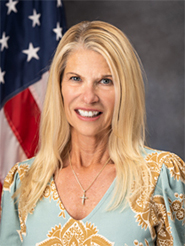
Debbie Mayfield

State Senator District 19

Open person dossier

The reviewed record lists this person as present but does not attribute a motion, statement, or individual vote to them.

Transcript and record text

Closed captionsWhat was said at the meeting, transcribed Sep 28, 2026. Speech is not a decision.
  • Some speaker identities remain unresolved.

>> Members, we are going to call the committee on Governmental oversight and accountability. We will now come to order. Tameron, please call the roll. >> Chair Mayfield? >> Here. >> Vice Chair DiCeglie. Senator Arrington? >> Here. >> Senator Bracy Davis. >> Yes. >> Senator Brodeur,. Senator Gayle, Senator McClain, Senator Polsky, Senator Rodriguez. The chair is present, Madam. >> Thank you. Please silence all electronic devices. Anyone wishing to speak before the committee should complete an appearance form and hand it to a member of the sergeant's office. Should you select to waive your speaking time, your position will be included in the committee meeting package. Will please stand for the pledge of allegiance, and we're going to have that led by our own Senator Pizzo. >> [PLEDGE OF ALLEGIANCE] >> Members, we are going to start our agenda by taking up Tab 1, which is the Senate Bill 774 on 911 Public Safety, Telecommunicators, employment related mental and nervous injuries by Senator Pizzo. And you are recognized. >> Thank you, madam Chair. Thank you for putting this bill on the agenda. This bill amends to extend benefits relating to employee related accidents and injuries to 911 public safety telecommunicators. For mental or nervous injuries arising out of employment, but unaccompanied by a physical injury, these medical benefits will be payable to a 911 public safety telecommunicator pursuant to workers' compensation. That effectively is the bill. >> Great. Thank you. Members are there questions? Seeing no questions, we have quite a few appearance forms. Jennifer Dana is speaking for. Hey, Jennifer. And who are you with Jennifer? >> I'm at the Palm Beach County Sheriff's Office. I work as a 911 dispatcher. >> Great. Thank you. >> So we are here. You're going to hear from some of my colleagues here, and you're going to hear stories and hear about the job that they do and the things that have affected them. I just wanted to touch on a couple of things. In the analysis that you guys would have seen, it describes what is compensable as an occupational disease for PTSD for first responders, and it gives a couple of examples underneath from the statute. Some of them says, seeing a deceased minor directly witnessing the death of a mi directly witnessing an injury to a minor who subsequently dies before upon arrival to the hospital, directly witness a homicide or a death that involves grievous bodily harm of a nature of that shocks the conscience. What the analysis doesn't actually give you, though, is from the, just below it in the statute for 112,1815, it defines directly witnessing is to see or hear for oneself. And I think that's important to know, because that really makes a difference in the fact that we're seeing it and hearing it now, because if you're not aware, we have the technology for people to live stream it now. So it's a double whammy for us, and we want to make sure we have the protections. And I'm going to be real fast. One more thing I wanted to add was, if you go online, they just released a video by Insider on YouTube. Of what it means to be a dispatcher, how it feels to be a dispatcher. And I thought it was interesting. I saw a couple of comments that people left, and somebody wrote, I've done four combat tours. After retiring, I took a job as a 911 dispatcher and made it one week. Getting shot at is one thing, but the stress of the calls was way worse. And the second one that I took away with that really touched me was I was a firefighter and medic until I was injured in a house fire, and then I moved to dispatch. My injury may have broken my body, but my time and dispatch broke my soul and my mind. And I just want you guys to take that to heart because that's what we're experiencing. And so I really hope that you guys will vote favorably today for this PT bill for us. Thank you again for hearing us. >> Great. Thank you. Thank you for your testimony. Kim Powell is speaking in support. >> Expect seconds. So I'm with the consolidated dispatch agency. My name is Kim Powell. I'm a licensed clinical mental health counselor embedded in a 911 emergency communication center right here in Leon County, Tallahassee, and I oversee our employee behavior health Wellness Program. One of my primary roles as an embedded clinician is to provide immediate crisis response to our telecommunications staff following critical incidences and to identify and coordinate long term care for mental or nervous injuries. Being embedded in the center gives me a unique day to day insight into the experiences of public safety telecommunicators, and the cumulative impact of this profession. Public safety telecommunicators are consistently exposed to traumatic events. Clinically, we often say trauma is subjective, but there are experiences that would be universally recognized as traumatic. I can share examples from my own agency. A woman calling for help who was shot by her child's father while still on the phone with the dispatcher, hearing her struggle to breathe as she died. An officer's final words said to a dispatcher calling for help moments before he was murdered. The sounds of a mother discovering her deceased infant, the FSU campus mass shooting during which 800 calls flooded our center in the first three hours. These are not isolated events. They are part of the job. Some telecommunicators experience immediate, acute reactions. Others appear to function well in the moment, but the trauma compounds over time with repeated exposure. Both patterns are clinically significant, because I am embedded, I don't just hear about these effects. Weeks or months later, I witness them in real time and over the long term. I can provide firsthand testimony that when mental health injuries are recognized and treated appropriately, outcomes improve for the individual, for the agency, and for the public. This bill does not create a new category of injury. It acknowledges the reality of one that already exists. As someone embedded in this work, I can say with confidence that recognizing and treating mental or nervous injuries saves careers, improves outcomes, and strengthens public safety. >> Thank you. Next, we're going to have Lisa Cahill, Lisa? >> Good afternoon. My name is Lisa Cahill, and I'm the director of Public Safety Communications in Marion County and have served the citizens first responders of Marion County for fire law and EMS for over 30 years. I'm here today to speak on behalf of our public safety telecommunicators, and ask for your support and to include public safety telecommunicators in Senate Bill 774. I can't tell you what it's like to stand toe to toe with a suspect holding a gun or run into a burning building and search for a victim. I can't tell you what it's like to hear someone that I have never met, take their last breath without being able to hold their hand. I can tell you what it's like to be the calm voice for a veteran with a gun to his head, trying to convince a man that I have never met that his life matters. I can tell you what it's like to hear an officer yell shots fired on the radio. Well, followed by complete silence, as his backup continues to respond to find that he did not survive the shooting and did not go home. I can tell you that we finished our shift and how difficult it was to get up the next morning and do it again, knowing we were doing so without one of our own. As counties prepare for the potential impact of a hurricane, decisions may be made to evacuate residents who are at greater risk or who have special needs. These evacuations may be issued as mandatory or voluntary. As storm conditions worsen and sustain winds reach unsafe levels, field responders are required to suspend response to calls for service to ensure their own safety. While the decision to suspend field response is necessary, 911 calls do not stop. Call takers must shift from reassuring callers that help is on the way to explaining that responders will resume operations once the road conditions have been confirmed. These calls sometimes come from citizens who do not evacuate and are scared for their own safety or that of their family. Once conditions allow, calls for service are prioritized. The state of Florida has a telecommunicator emergency response task force that is deployed to assist emergency communication centers that have been impacted by man made or natural disasters. These teams provide critical operational support when an incident affects the center's ability to function at normal capacity, either by supplementing existing staff or temporarily replacing personnel who are unavailable due to the event. Dispatchers may also respond as part of an incident dispatch team to support their own field units. Our profession has seen a significant change in the types of calls, severity of calls, and increase in the volume of calls. When I started, you did not have to pay for your gas prior to pumping it. We didn't have social media. Suicides were usually a couple at the holidays or when someone mixed up their medications. Suicides and overdoses are now part of our daily call volume. With the introduction of NextGen 911, citizens will have the ability to live stream and video call directly from the incident. Not only will emergency telecommunicators hear what is happening, we will now see it live any way we never have before. We must ensure the mental health and well being of those currently in this profession and those who will follow. Doing so directly improves retention, reduces burnout, and helps address the critical staffing shortages facing communication centers across the country. The voices don't end when the call disconnects, they stay with us. Public Safety telecommunicators save lives every single day. I respectfully ask for your support of Senate Bill 774. Your support of this bill will impact our current public safety telecommunicators and the future of our profession. Thank you for recognizing the critical role of public safety telecommunicators, your time today, and your consideration. I work with heroes. Thank you. >> Thank you for being here. Next, we'll have Josephine Rijos. And then we'll have Stephanie King after Josephine. >> Hello. Thank you for having me here today. >> Morning, afternoon. >> I'm here today in support of Senate Bill 774, which recognizes employment related mental or nervous injuries for 911 public safety telecommunicators. This bill matters because the trauma we experience is real, lasting and often invisible. I have been a 911 telecommunicator 15 years working at what is now large regional communication center in South Florida. Over that time, I have answered thousands of emergency calls, but there's one that will never leave me. I once received a call for two unresponsive children. I stayed on the line doing everything in my power to guide the caller. Sorry. Through the lifesaving efforts will help was on the way. I remained calm, focused, and professional because that is what the job demands. Despite my best efforts, the children did not survive. When the call ended, I didn't get closure, counseling or time to process what had just happened. I was expected to take the next call. Those are the calls that stay with us. We may not be physically seen, but we hear every scream, every plea, every moment of loss, so we carry those voices with us long after our shifts end. This job comes with chronic understaffing, mandatory overtime, disrupted sleep, and constant exposure to trauma. During severe staffing shortage, I once answered 367 calls in a single day. The emotional toll accumulates, and for many of us, it leads to burnout, anxiety, depression, and crisis. I personally experienced a serious mental health crisis as a result of this job. Experience that led me to contemplate in my own life. Senate Bill 774 acknowledges that mental injuries sustained on the job deserve the same recognition and care as physical ones. Supporting this bill means supporting the people who are the first responders, the convoys and the worst moment of someone's life. Thank you for your time and consideration. >> Thank you. Thank you for coming up. And then we have Stephanie King. Hi, Stephanie. >> Good afternoon, Chair, and members of the committee. My name is Stephanie King. I am a 911 dispatcher from Palm Beach County, Florida, and I am proud to work for the Palm Beach County Sheriff's Office. I'm here to advocate on behalf of the approximately 3,500 emergency dispatchers across the state of Florida, and I ask for your support. I'm also a proud mother of two boys, one of whom is a first responder, and my youngest currently serves with law enforcement explorers. I'm a proud sister of a first responder. So the work we do is personal to me. It affects both my family inside and outside the headset. Many times when people find out I'm a 911 dispatcher, the first question I get is, what is your worst call? The truth is there are far too many to choose from and many too graphic or traumatic to describe in a setting like this, but instead I'm telling you about the worst call, I'd like to invite you to consider the role of a 911 dispatcher in moments you already know well. Every time you turn on the news, hear about a tragedy, every time you read an article about a critical incident. Every time you see body worn camera footage from our law enforcement professionals, behind all of that was a 911 dispatcher. Someone who answered the call first, stayed calm, showed empathy to a caller in crisis, gathered crucial information in seconds, and provided it to law enforcement, fire rescue and EMS so they could respond safely, quickly and effectively. We were the first voice on someone's worst day and often the last voice they hear before help arrives. A supervisor once told me you get to make a big impact on someone's worst day. That has never left me. Palm Beach County alone answered over 1.2 million calls for service last year. On a typical shift, an individual dispatcher will answer 60-100 calls. These include medical emergencies, violent crimes, domestic situations, mental health, vehicle crashes, and everything in between. There's no time to process the traumatic details. We move directly to the next call. This bill recognizes that 91 dispatchers are exposed to traumatic events throughout the headset and should have access to the same mental health benefits that currently exists for first responders under state law. We hear suicides in progress. We listen to CPR being performed on children. We take domestic violent calls from victims who are whispering for help. We cannot leave the scene. We cannot look away. We move from one crisis to the next, often without a break in the trauma compounds over time. By extending these benefits, it helps ensure that dispatchers across Florida can seek treatment for mental or nervous injuries that arise from their work without first having to suffer a physical injury. This support matters for retention, morale, and the long term well being of the people who answer the call before anyone else even gets the address. Today, I ask for your support, not just for me, but for the 3,500 dispatchers statewide who serve Floridians each and every day and every night through all the holidays who deserve the same access to mental health resources needed to continue doing their job safely. Thank you for your time, your consideration, and your support. >> Thank you, Stephanie, for being here. Now we have several waving speaking time. Jennifer Pratt with the Florida Police Chiefs Association. We have Jessica Hall waving in support. We have Christina Torres waving in support. We have miss English is waving in support, and we have Allie McNair with the Florida Sheriff's Association that is waving in support. Members, we are in debate. Senator DiCeglie. >> Thank you, Madam Chairman. Senator Pizzo, thank you for bringing this really important bill to this committee. My time in the Legislature, I've active and supported, increasing cancer benefits for firefighters, making sure that they have the equipment to protect themselves as they go into a fire. And I want to just say, for the 911 telecommunicators, not the ones that are here today, but the 3,500 across the state, thank you. It is so important for us to recognize openly and as strongly as possible how important you are to our communities and making sure that the folks who are calling 911 are taken care of and that they're directed to the proper, law enforcement, first responder, whatever the case might be. And you have a very difficult job. And I can see that in your faces here today and just know that you are appreciated you are supported 1,000%, and you're loved. And you're a huge part of our community. I just want to thank you for being here today. This is, for me personally, it could be one of the most important bills that we have this session because of the importance it is for your well being and for your quality of life. So I just want to say from bottom of my heart, thank you for being here. Thank you for what you do every single day and just know that we in the Senate and the legislature and our communities, we have your back and deeply appreciate everything and all that you do. Thank you. >> Members, any other debate? Great. Thank you. And I, too, want to thank all the first respond or the 911 dispatchers that are here, and I couldn't say it better than my vice chair, so I'm going to leave it with that, but with that, Senator Pizzo, you are really nice. >> Briefly, Madam Chair, four years ago, in the budget, I had asked Senator Stargll why payments and the pandemic first responders of $208 million was being paid out to anyone who was considered essential as a first responder. Frontline workers responding to COVID. We left 911 operators out of the bonuses. And they never stopped working. Senator Mayfield, it was you that said, Senator Pizzo it was an oversight, and we're going to get it right. So it's serendipitous that you were kind enough and gracious enough to put us on the agenda. This isn't even asking for 911 operators to be considered a special risk membership, even though it does not, by any means, please discount law enforcement and firefighters and first responders who have been supportive of this, but they're not even considered special risk, but we include people like dietitians and pharmacists and dentists at the prisons. Guys, I won 50 plus verdicts at trial. The most effective thing to do was to play the 911 call to set the scene for the jury,911, what's your emergency? He's going to kill me. He's going to kill me. Now imagine hearing that 12 times a day, 15 times a day. Two years ago, you all voted to require these 911 operators to be proficient in CPR so they could administer CPR over the phone. And they're not considered first responders. They are the first responders. They've been grossly overlooked and screwed, and this can bring some remedy. I appreciate your support in the bill. >> Great. Thank you, Senator Pizzo, and you are so correct. Tameron, please call the roll on Senate Bill 774. >> Senator Arrington? >> Yes. >> Senator Bracy Davis? >> Yes. >> Senator Brodeur. >> Yes. >> Senator Gayle. >> Yes. >> Senator McClain. >> Yes. >> Senator Polsky. >> Yes. >> Senator Rodriguez. >> Yes. >> Senator DiCeglie. >> Yes. >> Chair Mayfield. >> Yes. And by your vote, Senate Bill 774 is reported favorably. >> Now I'm going to turn it over to my vice chair, DiCeglie, and I have three bills I'm going to present. Vice chair. >> Thank you, Madam Chair. We're going to take up tab Number 2, SPB 7028 by governmental oversight and accountability relating to retirement. Senator Mayfield, you're recognized to explain the proposed bill. >> Thank you, Mr. Chairman. The bill establishes the contribution rates paid by employers for each class of employees who participate in the Florida retirement system beginning July 1, 2026. This addresses an unfunded actuarial liability with the FRS system. The 3% employee contribution rate is not changed by this bill. I want to make sure that's clear. The 3% employee contribution rate is not changed by this bill. The bill also allows an elected officer other than a sitting legislator to choose to receive a drop payout if the elected officer has ceased participation in DOP and is at least 59.5-years-old. Retirees in the special risk class will receive an alternative cost of living adjustment of 1.5% after five years of retirement. To be eligible, a retiree must have completed a six year service in the special risk class if initially enrolled prior to July 1, 2011. If enrolled after July 1, 2011, a retiree must have completed at least eight years of service in the special risk class, and that is the bill. >> Thank you, Senator Mayfield. Senators, any questions on the bill? Seeing none, we've got some appearance forms. We've got Wayne Bernie Bernoka with the Florida Professional Firefighters. Good afternoon, sir. You are recognized. Welcome. >> Really appreciate your today. On behalf of the more than 31,000 firefighters and paramedics that I represent, I stand here in strong support of restoring a cost of living special. Thank you. ACOla is one of the single most important recruitment and retention tools we have. Firefighters and first responders commit to tough, physically demanding careers, and a stable, predictable retirement is essential to keeping experienced professionals on the job and attracting the next generation. As you will see from our friends that are here today, this proposal has broad support from firefighters, paramedics, law enforcement, management, and labor. I want to thank you, Chair Mayfield, for bringing this forward and members of this committee for supporting Florida's firefighters. Thank you. >> Thank you. Next up, we've got William B Smith with the Florida PBA. Welcome, sir. You're recognized. >> Thank you, Chair. Thank you. We really appreciate the committee bringing forth this bill. I will reflect what the firefighter just said. It's very important for recruitment, especially in law enforcement. It's been since 2011, where it's been zero. And this is definitely a very good tool for recruitment and for the ones that have been receiving zero, even though they'll get it after five years of retirement, still it's a great, great start, and we really appreciate it. Thanks again for the committee. Thank you. >> Thank you for being here. Next up, we got Jennifer Cook Pritt with the Florida Police Chief Association. Waving in support. Thank you for being here. Allie McNair with the Florida Sheriff's Association. Waving in support, thank you for being here. We have Fire Chief Trip Bars, president of the Fire Chiefs Association. Hello, sir. Welcome, waving in support. And Hannah Christian the CFO, our new CFO. And state Fire Marshal Basinggola. She was here. She's waving in support. That concludes our appearance forms. Senators, any debate on the proposed bill. Senator Arrington, you recognize and debate. >> Thank you, Mr. Chair. And thank you, Chair Mayfield, for a great bill and also just a great agenda today. Lots of great bills, and excited to see our first responders here and to do something in honor of them today. Thank you. >> Any further debate? Talk sheet. Any further debate? Seeing none, is there a motion to submit SPB 70 28 as a committee bill? >> Yes. >> Senator Brodeur moves that SPB 70 28 be submitted as a committee bill. Is there objection? Seeing none, show that motion adopted. Tameron please call the roll on SPB 70 28. >> Senator Arrington? >> Yes. >> Senator Bracy Davis. >> Yes. >> Senator Brodeur? >> Yes. >> Senator Gah. Senator McClain. Senator Polsky? >> Yes. >> Senator Rodriguez. >> Yes. >> Senator Mayfield? >> Yes. >> Chair DiCeglie. Yes. By your vote, SPB 70 28 is reported favorably as a committee bill. Senators, we're going to take up tab number three, SPB 70 24 by governmental oversight and accountability related to OGSR cybersecurity, information technology, and operational technology information. Senator Mayfield, you recognize to explain the proposed bill. >> Thank you, Mr. Chairman. This bill saves from repeal the current public records and public meeting exemption from cybersecurity information that is held by an agency by delaying the repeal until October 2, 2031. The bill also consolidates several agency specific cybersecurity exemptions into one agency wide exemption, and that's the bill. >> Thank you, Senator. Any questions on the bill? Seeing none? Any appearance forms? No appearance forms? Any debate? Any debate on the proposed bill? Seeing none? Is there a motion to submit SPB 70 24 as a committee bill? Who said that? Senator Gayle. Senator Gayle moves that SPB 70 24 be submitted as a committee bill. Is there a objection? Seeing none show that motion adopted. Tim, please call the roll on SPB 70 24. >> Senator Arrington? >> Yes. >> Senator Bracy Davis. >> Yes. >> Senator Brodeur? >> Yes. >> Senator Gayle. Senator McClain. >> Yes. >> Senator Polsky? >> Yes. Senator Rodriguez. Senator Mayfield? >> Yes. >> Chair DiCeglie. >> Yes. By your vote, SPB 70 24 report is favorably reported as a committee bill. And we've got tab number four senators SPB 70 26 by governmental oversight and accountability related to OGSR trade secret held by an agency. Senator Mayfield, you're recognized to explain your proposed bill. Thank you, Mr. Chairman. This bill says for repeal the current public records exemption for trade secrets that are held by an agency. The bill also consolidates several specific trade secret exemptions into one agency wide exemption, and that is the bill. >> Thank you, Senator. Any questions on the proposed bill? Any appearance forms? No appearance forms. Any debate? Senators, any debate? No debate? Is there a motion to submit SPB 70 26 as a committee bill? >> So moved. >> Thank you. >> Senator Mayfield moves that SPB 70 26 be submitted as a committee bill. Any objection? Seeing none, show that motion adopted. Tameron, please call the roll on SPB 70 26. >> Senator Arrington? >> Yes. >> Senator Bracy Davis. >> Yes. >> Senator Brodeur? >> Yes. >> Senator Gayle? >> Yes. >> Senator McClain? >> Yes. >> Senator Polsky? >> Yes. Senator Rodriguez. >> Yes. >> Senator Mayfield? >> Yes. >> Chair DiCeglie? >> Yes. By your vote, SPB 70 26 is favorably reported as a committee bill. Great job. Chair Mayfield. I will give you the gavel back. >> Thank you, Chairman DiCeglie. Members, does any Senator wish to be recorded as voting on bills before the committee today? Senator McClain. >> Thank you, Madam Chair. On Tab 1, I'd like to vote in the affirmative. >> Anyone else? Is there any objection? Seeing none show that motion adopted. Is there any other business before the committee? Seeing none. Senator Brodeur moves we adjourn. Without objections, we are adjourned.

Skip to Navigation | Skip to Main Content | Skip to Site Map

FLHouse.gov | Mobile Site

Senate Tracker: Sign Up | Login

Go to Bill:

Session:

2026F

2026E

2026D

2026

2025

2025C

2025B

2025A

2024 Org.

2024

2023C

2023

2023B

2022A

2022 Org.

2022D

2022C

2022

2021B

2021A

2021

2020 Org.

2020

2019 I

2019

2018 Org.

2018

2017A

2017

2016 Org.

2016

2015C

2015B

2015A

2015

Official record

ArtifactSourceState
AgendaNot published in the sources we holdunavailable
Agenda packetNot published in the sources we holdunavailable
BudgetNot published in the sources we holdunavailable
Action agendaNot published in the sources we holdunavailable
MinutesNot published in the sources we holdunavailable
Transcript or captionsSource recordingread transcript
AttachmentNot published in the sources we holdunavailable

Coverage and corrections

Records considered

  • Governmental Oversight and Accountability

Not claimed by this page

  • Verified meeting decisions with item-specific public-source evidence
  • Item-level plain-language summaries are not available; this page does not infer individual agenda items.
  • Item-linked, attributed deliberation
  • A source-grounded next meeting date
  • Official outcomes have not been published.
  • Transcript coverage is partial.
  • Named people and places have not been reliably resolved.
  • An individual roll-call roster is not available.

No source correction or revision history is recorded for this meeting. A corrected artifact will appear here as a new version rather than replacing what is shown above.

Canonical record: 49d2c40de6de61c38bf13d00924d3a35. This page changes as stronger artifacts are published; it never overwrites an agenda with minutes.

Publisher tools

Share or embed this record

POLISCOPE publisher tools

Share or embed this record