
POLISCOPE

The public record

FLORIDA · STATEWIDEHeld · official record pendingPartial coverage

Banking and Insurance

Wednesday, February 4, 2026 · Government meeting record

The 30-second read

Record incomplete

This is a record of a meeting held by the Florida Senate Committee on Banking and Insurance on February 4, 2026. The meeting lasted approximately 72 minutes.

Why it matters

This meeting serves as a public record of legislative discussions regarding banking and insurance policy in Florida, which may influence future state regulations and consumer protections.

What happens next

The scheduled meeting date has passed. Minutes or an action agenda are not published in the records we hold.
This meeting date has passed and no official outcome record has been published yet. Nothing on this page is a decision.

People and votes

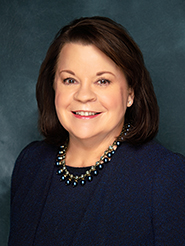
Colleen Burton

State Senator District 12

Open person dossier

The reviewed record lists this person as present but does not attribute a motion, statement, or individual vote to them.

Transcript and record text

Closed captionsWhat was said at the meeting, transcribed Sep 28, 2026. Speech is not a decision.
  • Some speaker identities remain unresolved.

The opening of 64,878 stored characters

>> The Committee baking Insurance will now come to order more. Please call the roll Chair Gruters here. Vice Chair Sharif Senator Boyd, Senator Burton, Senator Hooper. Senator Martin Senator Osgood Senator Passidomo Senator Pizzo and Truenow a quorum is present. Please silence all electronic devices wishing to speak before the committee should complete the complete and appearance form and hand it to a member of the sergeant's office. Should you select to waive your speaking time? Your position will be included in the committee meeting records members. We have 13 bills on today's agenda. We have some senators who are presenting another committee so we will adjust the order accordingly. Let's take up tab 7 Senate bill 1000 on trust fund interest on purposes for approved by the Supreme Court by Senator Grall. Thank you, Mister Chair. >> You are recognized. Thank you. The bill sets a floor of 25 basis points in the ceiling of 150 basis points based on the Wall Street Journal prime for trust accounts held by attorneys. That is the bill. Are there questions on the bill? >> Anthony DeMarco, Florida Bankers Association waive in support. Thank you. Christopher Hodge waiving in support Florida Credit Union Association. Thank you. Any debate on the bill. Senator Grall, you're recognized to close on the bill with close more. Please call the Roll on Senate Bill 1000. Senator Boyd, Senator Burton, Senator Hooper, Senator Martin. >> Senator Osgood Senator Passidomo Senator Pizzo Senator Truenow but treasury generators. >> Yes. And by your vote Senate bill 1000 is reported favorably. Let's go on to Tab 8 Cs for SB 1082. On statewide provider and health planned claim dispute resolution program by Senator Grall Senator Grall. You're recognized to explain the bill. >> Thank you, Mr. Chair Florida's current method for resolving payment dispute between insurers and out of network providers is ineffective. The state but ration processes really use time consuming and difficult to navigate providers are often forced into expensive prolonged litigation just to obtain payment for emergency services already delivered the federal no surprises Act offers a better path. Their timelines, low cost neutral, trained dispute resolution experts and baseball style arbitration that encourages reasonable offers from both sides. So the solution is presented in this bill, which creates an efficient statewide mechanism to resolve payment disputes by allowing allowing either party the provider or the insurer to opt in to the federal independent. Does dispute resolution process for emergency out of network claims and are state regulated. Commercial plans reduces unnecessary litigation relieves pressure on Florida's court system and speeds a payment decisions lowers administrative costs for providers and uses a proven fair national standard and maintain strong patient protections that are already in place. >> I see there's an amendment. Let's take up Amendment bar code 7, 1, 5, 7, 6, 0, by Senator Grall Senator Grall. You're recognized to explain amendment. >> Thank you. This amendment is being brought in offered in response to some of the feedback that we got during the first committee. It requires health plans which are subject to dispute program to the dispute program to disclose their payment or remittance advice to a provider that the health plan is a state regulated health plan under the dispute program. Additionally, once a claim dispute has been submitted and determined to be eligible for review by the resolution organization responded, Non avoid a default by declining to participate in the process. >> Are there questions on the Amendment? Senator Burton, you're recognized. >> Thank you, chair and Senator Grall. Can you elaborate on on the changes it does is this amendment still only has the underlying Bill does is still only apply to out a network providers. Senator Grall, you're recognize in go back and forth as needed. >> Thank you. Yes, this still only applies to the original and the original providers captured in the original bill. So, you know, we were talking about that out of network dispute. That's what this is. And so this would only it's my understanding that it does. It's my understanding that it does. But I will say I see what you are suggesting that it could apply to other other categories that are covered under the dispute resolution. I'm not certain about that. Senator Burton, so I will get it clarifying answer for that on for you. >> Thank you, Senator Boyd, you're recognized. >> Thank you, Mr. Chair and thank you, Senator Dole. Just to be clear, I like the bill, not crazy about the amendment, but I'm a couple of questions. Just kind of help me in my mind. If a doctor, an health plan already agreed on a price with this kind of interrupt that relationship. >> Senator Grall, you're recognized to go back and forth. >> Thank you. So this does not affect any relationship where there is a contract. This is all out of network providers in emergency situations. So it's when and maybe I should have given us a little bit more of the background. So with the federal no surprises act of 2022, patients are held harmless when they're out of network and the provider in the insurance company have to negotiate and come to a resolution. So this is in that specific instance when somebody has gone for emergency treatment, there has not been an agreement as to what they would be paid to provide services because the providers out of network. And so therefore, this forces, these 2 sophisticated parties, which are used to being involved in some contracts, right, make within. And with that with the insurer of choice, this forces them to get to a resolution without putting the patient in the middle. So there has been no prior agreed upon amount with regard to services if that makes sense. >> Sort of the so help me there. There's the federal component of this. This would require the state to step in that in that instance, correct. >> There is a there's a state process right now and because there is a state process in place right now, the provider's cannot use the federal process. They are prohibited from using the federal process because we have a state process, but they have what they have indicated that there are limitations in the state process that exist. >> Don't and the the plans choose to go the litigation route as opposed to going the independent resolution route. And that route is very costly when there is an alternative process that has worked for other types of situations where there needs to be this type of resolution. So this would allow them to use the federal process. But they the amendment we put on in the last committee would allow them to use the state process as well. So if they meet the required and of the federal system than they would be able to use the federal independent dispute resolution process, which offers 13 to 14 different organizations that provide that dispute resolution and it would keep it out of the litigation situation. >> Well, thank you. Thank you for that answer. One, just one last question. And just in the broad sense, if it does, the average duration does result in higher payments, ultimately who pays it costs, assuming it would be the Haitian or the consumer. >> But it's not necessary that it it's not clear that the resolution always is higher higher payments. This pace by the the base by that baseball style arbitration requires both the provider in the plan to put a number in front of the dispute resolution entity and that and they pick one of those numbers. So they are both incentivized to put their best number that is related to the criteria that is allowed to be considered, which is all outlined. I think there 6 different criteria. So they both have to take that criteria into consideration when they present their offer to the dispute resolution entity, knowing that there's not going to be some nickel in dining over here, meeting in the middle. One of those numbers will be selected. And so the fact that one of those numbers will be selected, I believe, has them both put their best offer on the table in a decision being made, which doesn't necessarily lead to higher and higher payment amount. I think what we could be seeing in rates and where we could be seeing them, you know, higher costs is when you the providers who have already provided the services have to go into very costly litigation in order to recoup anything and then our court system and the cost that our court system is facing by having circuit judges make these very complicated decisions about payment rates in each area. I mean, the fact finding on these types of cases has to be intense. And you're asking a circuit judge to do it, who doesn't necessarily have the background. And and so it's a little bit more of a one-off process as opposed to there being consistency in the way that these payments are determined if that makes sense. >> Thank you. Thank you, Chair President Passidomo. >> Thank you, Mister Chair. I'm I'm looking at. Can you help me? Help me here. Looking at the amendment and this is the first time I saw it was late last night. But it says health plan subject to this section. Most include that in their payment agreements that senator, that the plan is a state regulated plants. >> Is is. But if it's if only out of network, why would we put this provision? Listen, I'm totally lacked Reese. So. >> During the last hearing, one of the things we heard from the I think emergency room providers was that they will go. They will send everything to the federal process. And most of the workload associated with the federal ID, our process is determining eligibility. So somebody might send the claim up to be handled through the federal process and then just to be told this is an eligible to go through the federal process. You have to go back down and go through the state. They're they're comment was. Well, if I knew that because they didn't, they don't necessarily know if the health plan is a federal health plan or state health plan. And so if they knew that when they submitted and when they submitted, I think early on, you know, for payment and we're not paid and we're set and said this is a state health plan, you need to go the state resolution process. It would avoid that extra step of trying to seek eligibility on the federal level. That's my understanding of it. I think that there's probably somebody in the room who could explain it a little bit better and I'm happy to try and bring clarification and or consider that this this doesn't go to the heart of the overall bill as well. And so if it is that confusing, I think that it's something that we may need to revisit. >> Senator Burton, you're recognized got a little bit confused because your explanation of what a couple of quick question or 2 ago to me, he spoke to the explanation of the bill as it stands, not the amendment. We talk about networking the bill as it stands, which was amended like you said previously came out of health policy. So can you give us more specific answer, if you will, if you why this particular amendment is is important because it to me it's a substantial change to the underlying. >> This amendment, like I said, I think that it was something that was discussed by this is an attempt to deal with the challenges that the emergency room physicians we're having. If this is not acceptable to the committee at this time, I would suggest we don't put the amendment on at this time and we work to find better language with everybody before we get to the next committee because I think you are correct and maybe I'm doing a disservice. Maybe there's a speaker card in which somebody wants to speak to the amendment that we'll make it more clear. But I agree it is. It is it takes the next step in this process that maybe as one too far it in terms of the overall Bills. Senator Boyd, you're recognized. >> Thank you. Mister Chair. I thank you for that offer. I like I said earlier, like the bill in just a little bit confused about some of the components of this amendment. There's not enough clarity for me to support. That doesn't mean anything. It's that one vote. But I just that would probably be a. >> I think it would be a nice offer. You know, I I'm willing to withdraw today. I would like if they're Mr. Chair, if there's anyone here speaking on the amendment, if they could speak to it while we're here so that we could all hear what it is intended to do and maybe that would give us a good starting point at the for the bill moves forward. >> Sounds great. Let's pick bring up the speakers. Joy, Ryan, FIC then you are recognized. >> Good morning. Mister chair members of the committee, Joy Ryan with the Florida Insurance Council are helped plan members have concerns about this amendment. We've only seen language for about 24 hours. Obviously you can hear that there's confusion about its intent and what it's supposed to do. And I've tried to meet with Senator Grall, but we just haven't had that opportunity to sit down yet. We are concerned about 2 things with the amendment. First of all, we realize this is a complicated issue. We have Florida was early to dip its toe into the no surprises act in 2016 creating a state alternate dispute resolution mechanism. This is for item network claims mainly in emergency situations when a patient and has has something come up and they end up at it on a network hospital. These are hospitals that have not contracted with that particular health plan that the patient is enrolled in there for we don't have and then network rate. So the hospital submit a bill for out of network rate, which could be very much higher than the in network rate. So under Florida's law since 2016, the state dispute resolution mechanism is optional. So either the provider or the health plan can decide to submit the disputed claim to the state mechanism. In 2020, the federal government enacted its own version of the No surprises Act. And over the next 2 years, they surveyed the states and worked with the states. And, you know, the gist of the way the federal mechanism works is if there is a state dispute resolution mechanism in place, then that is where the first, you know, reference of the state insured claims are to go. I self-insure Teresa claims stay in the federal system, Florida, that Florida has been designated and certified by CMS at the federal level that Florida is a place where these claims go. So what the amendment is now doing is changing that the state mechanism to say that it's mandatory only for health plans, but not for providers. That's number one. And number 2, we've got a concern that it would open up contracted network rates, also to the dispute mechanism that perhaps that's not a sponsor's intent, perhaps it needs to be clarified. However, those are 2 concerns with the amendment. And, you know, overall all the you know, the system is complex between the federal and state. And we realize that. And, you know, we do have some concerns that the bill itself is, you know, we didn't stand up on the bill because what we know. But but we do think it is creating confusion and maybe there's an effort to direct more. I'm claims that should have been at the state to the federal level. So that's where we're at and happy to take questions. >> Thank you very much, Ken Pruitt, Jennifer Henson. Good morning. Doctor Jenkins, you are recognized. Thank you. Thank you. >> My name is for Jenkins. I'm a aboard, Sir, certified emergency physician. I've been practicing in Florida for about 28 years now. Also regional medical director with team health. And in that capacity, I provide oversight to emergency medicine hospital, medicine programs in Florida and Georgia. So as we all know, both state and federal law vm tall creates a mandate for an emergency care safety network. That net net where all patients are evaluated and treated no matter of what insurance plan they have, whether they have insurance at all as emergency physicians are teams jump into action. And afterwards we discuss payment matters. The goal of this bill hits right at the issue. How do we assure appropriate payment reaches the providers of care and what happens when there's a payment dispute? So this bill addresses just that it fixes glitches in the payment dispute mechanism that former Legislature's felt important enough to place into statute. Past legislators understood the need for the grand compromise whereby balance billing her surprise billing a patient's was banned and this is a very good thing. But at the same time and in this independent resolution process was was whereby disputes can be heard quickly and without costly litigation was put into place. This legislation retains all of those safeguards while addressing 2 very important glitches in the current system. The amendment ensures payment disputes are heard by the appropriate independent dispute resolution system reflecting the provisions that are working at the federal process by simply requiring an insurer to place on claims from dallari be it falls under the state independent dispute resolution process. Then in a race is confusion and it allows the eyes as providers to direct the dispute to the appropriate place. The legislation also clarifies that want to claims disputes filed. It meets all the requirements in statute. Participation by all parties is required. We believe in none of these are new concepts. All of these are contemplated at the federal level and this amendment will mirror those processes at the state level. Idr works dispute resolution works to lower costs. It is much speedier than litigation. It ensures that all parties are able to present their facts and payment disputes. So we support the committee substitute for Senate Bill 1082, and if you have any questions available. Thank you, David Micah. >> Thank you, Tony. Large, Jeff Scott, Florida Medical Association and Jennifer Hanson. >> And you are recognized. Thank you, Mr. Chair Jennifer Hansen with relatives seen here on behalf of HCA Healthcare. And I think I can provide some clarity regarding the amendments, the amendment related to notice to the provider on the payment minutes. It's simply too under the current law. Only certain health plans has designated in the law are eligible for the state program and it's confusing to providers that's not always readily apparent whether they fall within that definition under the statute. So what this does is it simply has them put it on the payment or resentment vice. So that is clear to the provider. Okay. This is a health plan that is eligible for resolution under the the state program as long as the other criteria are met. So we think it's just an amendment of clarity regarding the Second Amendment making the claim dispute a resolution program. Yes, mandatory. If a provider or a health plan picks it, it is not one-sided. This is not something that benefits only providers. If it is the health plan that chooses to use the state program and it meets the criteria, then the provider has to join in. The provider can opt out either. So it is it is double-sided. And the reason it is needed is because providers need more access to non litigation claims S P programs and that's exactly what this amendment does. >> President Passidomo, you're recognized. Thank you. So how do you respond to the argument that this there's a contract between the providers and the companies that has stated fees and charges weather, which is not the case of if they're in network throughout the network, it's not us. So how do you respond to the argument that you're basically going to wreath open up contracts and and it's a contract and now you're asking us to kind of just waive contract provisions. >> Well, if you're recognized to go back and forth is made. >> Thank you. Mister Chair. The contract would control and under the federal program, for example, in in network providers are eligible for that. And so I don't think that that is a problem. In fact, and in practice, the contract will control. The statute specifically says that providers or excuse me, health plans can require the provider to go through all of the steps in the and their own internal appeals process before they can opt in to the state program. So there are protections that preserve the rights of both parties under the contract if there is one. Thank you very much, Sir. >> Senator, also still your intent to withdraw this amendment. >> Yeah. So I think that there are enough questions around the details of the amendment that I would withdraw the amendment work with those members that have any questions or concerns and make sure that we get those cleared up before we had to. I believe Senator Passidomo was rules. And so hopefully we can find some language that takes care of these things and alleviates concerns because I do think that we're really just focused on out of network. So there's no contract. There are some protections that require administration remedies to be exhausted before moving into this program. But I think and I think that I see some challenges with potentially, you know, making it. I wouldn't want to give the impression that you have eligibility, because you our state plan or a federal plan. The determination of eligibility is probably greater than a health plan can give on its own. So I think that there's some wordsmith thing that we need to do before the next steps with that. I withdraw the amendment at this time but commit to continue work on this. >> For all the parties involved without objection, show them withdrawn. Let's get back to the bill. Are there questions on the bill? We do have several appearance forms on the bill itself. Aaron Bailey. Okay. Thank you, John Ryan, Joy Ryan, I'm sorry. >> You are recognized. Thank you, Mr. Chair Joy Ryan on behalf of have which is National Trade Association for health insurers and we appreciate very much Senator Grall withdraw the amendment that would give everybody an opportunity to figure out what the actual intended that language and impact is to appreciate that. And we're still a little bit confused about what it with the intent of the bill is versus what it actually says in the language because the sponsor has said that she intends to create a pathway for more hospital claims to get to the federal level. So we want to understand more about that. I'm because we we are in support of the system as it's currently drafted. That and certain out a network claims go to the federal and others go to the state. So we support the status quo. But look forward to working with the bill sponsor and we thank the panel for all their thoughtful discussion or questions this morning. >> Thank you very much, David Mica, Florida Hospital Association waiving in support. Heather Turnbull, HCA Healthcare waiving in support. Thank you and Jennifer Henson. It's a healthcare speaking. Okay. Thank you very much. Is there debate on the bill? Yes. Senator Boyd, you're recognized. >> Thank you, Mr. Chair and I'll be very quick. Thank you, Senator Grall for your willingness to work on this. I mean, I think there are a few questions right and effective and because so I'm sure we can work through those and with the chair Pasadena's help as it gets to rules. I just want to say on behalf of myself, I probably can speak on behalf of the committee. You know, we support and want to help the our doctors and their vital part of our health care system in Florida. So we're not comments made today. And I know I think I can speak for my colleagues are not that trying to hurt them. So to the extent to the process and what their you know, what that component looks like is reasonable and acceptable to all parties. I think we do support that. So I just wanted to put that on the record thing. This was no way shape or form aimed at hurting or discouraging our good ER doctors in Florida. Thank you, Mister Chair, further debate. Senator Burton, you're recognized. >> Thank you. And in the nice thing is we have another committee stop for this this bill. So I appreciate your always willingness to continue to work on some things that gets to the heart of what the problem that we're really trying to solve here clearly support the bill, the underlying bill that we're talking about now. And so I really appreciate that. I think I I'm sure there's a resolution way too, to deal with the issue that you're really tempting to deal with. Your. So thanks for that, Senator Grall. You're recognized to close on the bill. >> Thank you. I appreciate the discussion around this topic. And you know, I I my overall intention is you have people have provided services and they should be paid for those services in a timely manner. And, you know, any gamesmanship of the system, I think that, you know, the Fed the feds tried to take out of the picture to the extent that we can do that here because there is a framework and expedite that intake, the stresses off of our civil justice system with a highly complicated. Believe me. I'm frustrated as I just wait for hearing time and I think, oh, my goodness, with these kind of cases that are standing before me in here for hearing time, because these are highly cut, they have to be highly complex cases. And so to take these out of to the extent that it's appropriate to take these out of our civil justice system because of the sophistication of the players, I think that there's value in that discussion and for for all the parties involved with that, I as for your favorable support today and continue to input on how we make this better. >> Or please call the roll on Senate Bill 1082. Senator Boyd, Senator Burton, Senator Hooper, Senator Martin and as good Senator Passidomo Senator Pizzo senator to now Vice Chair Sharief intruders. Yes. And by your vote Senate Bill 1082 is reported favorably. Thank you. Thank you. Let's take up tab 4 Senate Bills 6 before an electronic signatures associated with total loss vehicles and vessels by Senator claims to McLane. You're recognized to explain the bill. >> Thank you, Mr. Chairman senators for allow me to present Senate Bill 64 Electronic signal. It is electronic signatures. It will allow for electronic signatures to be used on total loss. Vehicles and vessels requires insurance companies to implement certain control processes and procedures for certain electronic signatures. And it deletes the requirement that electronic signatures signatures on that are disclosures submitted through insurance companies. Yes, acute specified manner as the. >> Are there questions on the bill? Doug Bell, progressive insurance waiving in support. Is there any debate on the bill? Senator Klein, you're recognized to close on the bill that would close more. Please call Ronson Bill 64. >> Senator Boyd, Senator Burton, Senator Hooper, Senator Martin Senator Osgood Senator Passidomo Senator Pizzo Senator Truenow Vice Chair Sharief. >> But yes and by your vote Senate Bill 64 is reported favorably. Thank you. Thank you. Next, we'll take up tab one Senate Bill, 158 on pet insurance by Senator Jones. Senator Jones, you're recognized to explain the bill. Thank you so much chair. Good morning members. >> Left was met and this to me last legislative session, HB 655, was passed, which create Florida's first comprehensive framework for regulating pet insurance. That will require important disclosures and created basic consumer protections for grow insurance market that many Floridians rely on to care for their pets SB 15 requires agents who sell to insurance to complete 2 hours of continuing education on on these products every 2 years. This is your the ages, understand the benefits, exclusions and wellness components of to insurance so they can accurately it's great policies to consumers. The bill also strengthens written to schools by requiring a plain language summary of key policy features, including coverage limits, deductibles, waiting periods, exclusions, pre-existing condition ruse and what the world has benefits are included in this information must be provided on the stand that arise for to make it easier for consumers to understand what they are purchasing. And finally S 1, 5, 8, request requires insurers to submit an annual report to the Office of Insurance Regulation with basic market data such as policies. Issue claims paying claims that out, of course, the oir this information helps regulators oversee insurance often see in consumer protection and ensures the law passed last year is working as intended. And that is the bill, Mister Chair. >> We have One Amendment Amendment bar code 9, 0, 5, 4, 1, 8, by Senator Jones. Senator Jones, you're recognized to explain the amendment. >> Thank you so much for the chair of this is a technical amendment to align the deal with current statutory tracking practices. Are there questions on the amendment? Is there any debate on the amendment? >> Senator Jones, you're recognized to close wave close all in favor of amendment say yea, all those oppose the amendment adopted. Are there questions on the bill as amended one, mister chair? Yes, Senator Pizzo, you're recognized. Thank you. Senator Jones. How smart he knows is that he was doing good. This bill is for him. >> All right. Thank you. >> We have one appearance. Donovan Brown, North American have Health Insurance Association. Thank you very much. Is there any debate on the bill as amended? >> Senator Jones, you're recognized to close on the bill's bank use as the chair and the city goes. Appreciate all of you today. And I do want to thank dawn of a coming by the office. We work on something for the next committee stop and hopefully we can get this to the finish line. Thank you so much. Chair more. Please call the Roll on CS for SB 158. >> Senator Boyd, Senator Burton, Senator Hooper, Senator Martin and as good Senator Passidomo Senator Pizzo. So the true now Vice Chair Sharief. >> Yes. And by your Vote CS for SB 158, is reported favorably. Next. We'll take up Tab 10. So the bill, 14 94 insurance coverage for breast cancer screening by Senator Davis. You're Davis, you're recognized to explain the bill. >> Thank you, March and thank you for putting the bill on the agenda. Sb 1494 modifies require coverage for mammograms and supplemental breast cancer screenings in Florida for the following types of insurance coverage and individual acts and health insurance policy, a group or blanket and franchise health policy or health maintenance organization. As we know H out in the American Cancer Society made the following estimates regarding cancer among women and the U.S. during Twenty-twenty 4, 3, 110,000 new cases of invasive breast cancer. This includes new cases of primary breast cancer but not breast cancer. Re current says 56 over 56,000 new cases of ductal carcinoma and D C I S as well as 42,000 breast cancer deaths, whether the essentially doesn't. And just getting to that point, Mister Chair, making sure it's easy for everybody. The amend the bill amends certain in insurance coverages for mammograms and supplemental breast cancer screenings not died. Not that not diagnosis to apply to younger women and modifies risk factors. The bill also provides the policy or contract must cover one of the one or more medically necessary screenings mammogram screenings based on a licensed physician recommendation. There is no its financial impact on this bill for Medicaid ensures there's no Medicaid financial impact on the bill and then sure is that are mentioned our health policy companies as an insurance, they may incur an end to end determinant administrative costs for implementing the provisions of this bill. But any in any increase cost with which the insurers may incur due to due to the enhance requirements within this bill would likely be passed on to the insurers. However, if the bill increases early detection of breast cancer, it may lead to more successful health outcomes for women. And that is the bill, Mister Chair. >> Thank you. Are there questions of the bill? We have several appearance forms. We EFI Kelly Horton, American Cancer Society waiving in support. You have Allison Dudley, Florida, ready really logical society waiving in support. Thank you. We Brian yours, Florida, Breast Cancer Foundation waiving in support any debate on the bill. >> Senator Davis, you're recognized to close on the bill. Thank you, Mr. Chair this issue has become deeply personal to me. And I would just like up to ask the committee for your support, Pharoah favorable support on this bill today. Thank you. More please call the roll on Senate Bill 4 to 94. Senator Boyd, Senator Burton, Senator Hooper, Senator Martin. And that's good. Senator Passidomo Senator Pizzo send it to now vice chair Sherry. Yes. And by reversible, sporty, 94 is reported favorably. Thank you, committee. Thank you, Mr. Thank you. Next, we'll take up tab 2. >> Senate Bill 314, on issuers of digital assets by Senator Burton. Senator Burton, you're recognized to explain the bill. Thank you, chair. I have a strike. All. Okay. Let's take up amendment a delete all Amendment bar code 6, 6, 3, 6, 0, 8, by Senator Burton. Senator Burton, you're recognized to explain the amendment. >> Thank you, Mr. Chair senators last year the guiding and establishing national Innovation for U.S. Stable coins act also known as the Genius Act was passed at the federal level. This amendment creates a framework which required which is required by that act. So the Florida for Florida to create a system that allows payment stablecoin issuers to choose state level regulation by Florida is set of federal licenses supervision in Washington, D.C., the bill as amended means to federal minimum requirements on reserves, disclosures and supervision and also preserves Florida's role as a financial innovation hub. Giving companies a choice to be regulate here or by the U.S. government. That is the bank. You are there questions on the amendment. We have asked Mason waiving in support office of Financial Regulation. Thank you. Is there any debate on the amendment? Senator Burton, you're recognized to close on the amendment. Waived close all in favor. The numbers say yea, yea. >> All those opposed the minutes adopted back on the bill as amended. Are there questions on the bill as amended? We have asked Mason waiving support Office of Financial Regulation. Thank you. Is there debate on the bill as amended Senator Burton? You're recognized to close on the bill as amended. >> Thank you. And I would just like to take a moment if I might to thank the our car, wonderful staff here, concerns and banking. They worked diligently to make sure that the intent, which is to to qualify for you for the provisions of the Genius Act is actually what the bill does. Can't thank them enough. As always, I learn something new. Every session is a big learning opportunity for me. So I would appreciate everybody's support. Thank you. >> More please call the Roll on CS for SB 314. >> Senator Boyd, Senator Burton, Senator Hooper, Senator Martin. And that's good. Senator Passidomo Senator Pizzo and Truenow vice Chair Sharif. >> Good news. Yes. And by your Vote CS for SB 314, is reported favorably. Next. We'll take up Tab 11 Senate Bill, 1500 on estates by Senator Bradley. A few Senator Bradley, you're recognized to explain the bill. >> Thank you so much, Mister Chair members. Senate Bill SB 1500 implements recommendations of the Supreme Court work group on uncontested probate proceedings to improve the efficiency and effectiveness of Florida's processes and procedures for uncontested probate. The bill increases the value threshold of small state expedited probate processes which were last adjusted in 2001, it clarifies a personal representatives authority to access to deceive in Safe Deposit box and determine ad safe deposit lease expressly authorizes personal representatives to initiate enforcement proceedings under the probate code designate such enforcement proceedings as extraordinary services for purposes of compensating the person representatives attorney and there is an amendment, mister chair. >> Let's take up Amendment bar code 2, 2, 7, 9, 5, 2, by Senator Bradley. Senator Bradley, you're recognized to explain amendment. >> Thank you, Mr. Chair the Amendment addresses that concern expressed by the banking industry and requires the personal representative to provide a copy of the Letters of Administration to a financial institution to be provided access to a safety deposit box. Are there questions of the amendment? >> We have and Michelle lacking Florida Bankers Association waving in support. Thank you very much. Any debate on the amendment. Senator Bradley, you're recognized to close on amendment waived close on favor. The amendment say yea, all those opposed the minutes adopted. Are there questions on the bill as amended chief Judge Frank Almond second judicial circuit waiving in support of the bill. Martha. Even field the real property probate and Trust Law section. The Florida ball far waiving in support Erick or state courts must radar State court system waiving in support. Thank you. Is there debate on the bill as amended Senator Bradley? You're recognized to close on the bill as amended. >> Thank you, Mr. Chair I I really had expected more vigorous debate on uncontested probate proceedings. But your honor satisfied and I appreciate your support. >> Senator Pizzo, go ahead. I just want of Barney Bishop iPhone is going to fill out an appearance form of or a please call the Roll on CS for SB 1500 Senator Boyd, Senator Burton, Senator Hooper and Martin, send us good. Senator Passidomo Senator Pizzo senator know she sherry and for this. Yes. And by your vote CS for SB 15, 100's reported favorably. Thank you. Next, we'll take up tab 3. >> Senate Bill 61, to 8 on workers. Compensation insurance by Senator. True. Now, Senator, now you are recognized to explain the bill. Thank you, chair members. >> Smaller high-risk implores are struggling to find affordable loan. Voluntary coverage SB 618, response to this by expanding how often carriers can with the insurance written consent change rates above their filed rate so that more employers can be written in this voluntary market rather than the residual market. Current law allows insurance companies to charge commercial policyholders a premium higher than the standard rate approved by the state. But only with the policyholders written consent through a signed form. This essentially gives the policyholder the option to accept a higher rate for coverage in situations where they might otherwise be denied insurance do to hire a Specter's associated with their experience under the current law and ensure may not use consent to to rate for more than 10% of its commercial insurance policies written or renewed in each county year for any line of commercial insurance. Sb 618 raises the 10% cap to 20% but only for workers comp policies. The in amends, the membership of the board of Florida Workers comp. You're into the association to specifically to specify that one member represent a State Wide Trade association representing employers and one member represent the largest agents association. And that is the bill. >> Let's take up amendment Barcode. 5, 3, 6, 5, 4, 0, by Senator. Now search for now. You're recognized to explain the Amendment Amendment. >> I don't I don't have my amendment here and I have to withdraw that amendment. >> Senator, before you withdraw, there's a summary on the system here. You haven't read for you. I will read for apps are so you don't withdraw. Reveals a number of board members of the FWC. I G 8 to current law. That's it. Thank you, Chairman. Okay. Any questions of the amendment, any appearance forms any debate on the amendment chair truenow you turn now. You're now recognized to close on amendment waived close on your all in favor of amendment say yea, all those oppose the amendment adopted. Are there questions on the bill as amended Robert Raise for Workers? Compensation Guaranty Fund waiving in support. Daniel Herrera, Florida Insurance Council waiving in support. Robert Hawkins, Florida Workers Compensation Joint Unready Association waiving in support. And Mark, Ask Inc and you are recognized. >> Thank you, Mr. Chair and other members of the committee. My name is Mark Ask INS and the CEO of Bright Fund. We are the workers compensation carrier for the Florida refers Sheet Metal Association with self-insurance fund for them. So we cover so very driven workers comp plus in Florida where Florida's unique and the fact that underwriters and actuaries don't have much flexibility as it relates to how we price or risk. And when the rates come down to a certain point, it becomes more of a risk selection. Yes or no. Does it get the appropriate? Are we as you have enough money to pay claims based on the way these rates are set up and currently the weight, the way the policy reads as we are allowed to consent to rate or adjust the excess of the policy. To a point where based on the last activity over time, the proper rate is set for that particular risk, raising them out from 10% to 20% on policies that we're able to consent to radar at access will allow the flexibility for us to be able to the voluntary. Keep good accounts in the voluntary market. Those accounts being forced into involuntary markets such as the G 8. You typically when carriers when companies go into that, Jay, you resign risk. It's almost like a scarlet letter carriers determine that there's a reason for you going into this on risk must not be it good account. But the reality is the states going to be forced to take on a lot of these other policies because currently there's only we only have 3 carriers in the state that will provide voluntary coverage for some of the severity driven classes such as rivers. I'm here today just to offer my support of the of the amendments and changes here. And I think it's good for the state to be able to allow companies like myself to be able to provide the voluntary coverage for the severity German class. Thank you very much. Is there debate on the bill as amended? >> Senator now, thank you, sir. That are now you're recognized to close on the bill as amended. Thank you. Members. I just ask for you, favorable support on this bill or please call the Roll on CS for SB 618. >> Senator Boyd, Senator Burton, senator Hooper, Senator Martin and as good Senator Passidomo Senator Pizzo senator know yes. Vice-chair Sheree. Yes, chair. Good. >> Yes. And by your vote CS for SB 618, is reported favorably. Next. We'll take up tab 12 Senate Bill. 1568 on Florida Stable Coin pilot program by Senator Deciglie Senator Diciglie. You are recognized to explain the bill. Thank you, Mr. Chairman, good morning, Senators. >> Florida has long been a national leader in financial innovation and technology. As the digital economy grows, states across the nation are exploring new tools to make payments faster, more efficient and create additional payment options. Florida's taking the lead by embracing financial innovation responsibly building on the guardrails established under President Trump's genius act to ensure progress never comes at the expense of consumer protections for taxpayers safeguards. Senate Bill 1568 establishes the Florida Stable Coin pilot program within the Department of Financial Services to modernize payment options for government fees and improve efficiency while maintaining strong consumer safeguards. This bill positions Florida's a pioneer responsible digital currency use allowing the state to explore new technologies. The bill establishes the Florida standpoint pilot program with DFS for licensees and applicants to pay DFS licensing and regulatory fees using approved stable coins provides DFS with the authority to have a state designated digital wallet and Converse table quite payments to U.S. dollars process and them like any other payment method require eligible stable coins to be fully backed redeemable for U.S. dollars and comply with federal financial regulations. The bill provides the offense with the authority to audit or examined stablecoin issuers to verify reserve backing the mobility and consumer protections Mr. Chairman, that is the bill and there is a substitute amendment. >> So there's 2 amendments. Let's take up amendment Barcode 6, 5, 2, 4, 4, 4, And I understand there's a substitute Amendment Barcode, 6, 5, 2, 4, 4, 4, Let's take a Substitute Amendment bar code 7, 1, 9, 1, 7, 4, by Senator Deciglie the Senate. Senator Deciglie. You're recognized to explain Subset Amendment. Thank you, Mister Chairman. >> The bill as Substitute amendment establishes the Florida State College PA program within the within the Department of Financial Services provides DFS with the authority to have a state does need a digital wallet which will be held in qualified public deposits, convert, stable coin payments to U.S. dollars processing them. Just like any other payment method provides the offense with the authority to audit or examine stablecoin issuers based on recommendations by the Department of Financial Services and Committee staff. The Substitute Amendment removes the authority for the Department of Financial Services to create a Florida coin. After many discussions with the department, we have agreed to limit the pilot program in scope. 2 existing stable coins. Only it tightens the payment stablecoin criteria for the pilot program to only allow stable coins that have had a market capitalization of least 1 billion dollars over the preceding 12 months requires the department to hold the payment stable coin. They received through this pilot program in qualified public deposits to PD. We're still working on this issue and haven't quite reached a landing spot yet, but we're going to new working the staff and and obviously DFS. The remaining changes in the amendment are broadly technical in nature. That is the substitute. Are there questions on the amendment? Any debate on the amendment? >> Senator Deciglie you're recognized to close on amendment. We close on favor. The substitute amendment say yea, all those opposed the amendment adopted. Are there questions on the bill as amended? We have asked Mason waiving in support office of financial Regulation and we have and a question see it for CFO waiving in support. Is there debate on the bill as amended Senator Deciglie? You're recognized to close on the bill as amended. >> Thank you, Mr. I'm gonna close. I spent hours figuring and learning about this process. And you know what's so funny about the legislative park process in the state of Florida with sometimes I barely look at the binder. I get 15,000 questions and now that I'm ready so ready. Mister chairman and senators to answer all the questions you have on stable point. There are no questions. This is a great bill. The futures here and ask for your favorable support. >> More please call the Roll on CS for SB 1568. Senator Boyd, Senator Burton, Senator Hooper, Senator Martin and as good Senator Passidomo Senator Pizzo senator. Now. Sure. Sure. E yes. And by your vote CS for SB 1516, is reported favorably. Thank you so very much. Next, we'll take up Tab 5 CS for SB 838. >> On the electronic payments of retail installment contracts by Senator Yarborough Senator Brodeur. You're recognized to explain the bill. >> Thank you, chairman. Good morning. Thank you for adding this to your agenda members. Frivolous litigation has long been an issue in our state and across the country. One area where this issue has had a significant impact as with holders of retail installment contracts such as certain types of auto finance companies. Today, most consumers manage their auto finance accounts online. They expect convenience and speed and motor vehicle. Sales finance companies have responded by offering electronic payment options. These payments often involve a third-party processor, the charges, a convenience fee for services. In most cases, the fees that are paid directly by the consumer to the processor are collected by the finance company and passed along. Unfortunately, ambiguity in our law opens the door for frivolous lawsuits, challenging these convenience fees. These claims do not provide meaningful benefits to consumers. Instead, they threatened to eliminate the very payment options. The consumers prefer the options that make managing their accounts easier and faster Mr. Chairman Committee, the bill will resolve the ambiguity. It clearly establishes the convenience fees for electronic payments in connection with retail installment. Contracts are permissible. The goal is simple, protect consumer choice, reduce frivolous litigation, and ensure that Florida law supports modern convenient payment methods. And that's the bill. Are there questions on the bill? >> Have a question. Senator Pizzo. You're recognized, Martin. I'm sorry. Senator Martin. >> So never, ever, ever, ever make. That was that. >> Thank you. Thank you, Senator, for this. All about easier. Pay your bills. I have a question. I just part of truck 2 months ago and I want to make a payment. I was given a couple different options on making payments. The free option was give me routing number account. Number of putting the computer system. Well, it wouldn't take it the only other where to pay it was by paying for $1.95 fee over the phone. So I had to then call this entity. They told me that a called 3rd party had to set up an agreement with them. Then I get charged for hours and $0.05 to make that one payment. But the original finance company because they're website wasn't working, told me that I could call back and get the for $0.95 fee waived. Well, I do my clients more than that. A little more than it cost to deal with that on the phone. I'm concerned that if they're charging and they're able to make money for a reasonable fee, whoever sets that rate, we really can't fight in court because it's not really worth it to fight in. Court finance company is going to be incentivized to make it extremely difficult, if not impossible to pay either with check or pay with using the routing number and bypassing those fees. Thank you. And also, if you know anybody working this bill that could, you know, thanks for our 95 sent issue that I have for making the payment chair for the 3 months. They told me I had to pay before could pay it off. Let me know because I'd like to say the 15 bucks don't into it. Donate to a charity of your choosing. >> Senator Yarborough, you're recognized Senator Deciglie didn't get all these questions. But anyway, no. Senator Martin, happy to address that. I think the first thing you mention is the ACH option either wasn't working or was unavailable. Our bill says you have to offer a fee free option. So you can't force someone into that direction of only being able to choose the option to pay the fee like what you have to do. So I'm not sure that I can answer what happened on the end of that particular company or vendor you're dealing with. But under what we're trying to do, you have to be offered the fee free payment option. And usually the fee is attach like you described to that just in time option or that convenient, you know, electronic option, which we all prefer versus the traditional, you know, ACH tell payment the most customer set up if they're doing maybe a recurring monthly, the type of thing. So it I'm we're happy to look at it and try to refine it more to address those issues. But I think the bill with what we're trying to do here just makes it clear that you have to do the disclosures. You have to be offered the fee free option. And we're trying to eliminate the ambiguity and then the the reasonableness. Typically it's in the range of maybe 3 and a half percent. But again, consumers still have to be offered something that's fee free. >> So I hope that helps. But we can still talk about it if you'd like any further questions. >> Andy Palmer, General Motors waiving in support Scott Jenkins, American Financial Services that social Association waiving in support. Is there any debate on the bill? So your arbery recognized to close on the bill waives close chair more. Please call the Roll on Cs for SB 838. >> Senator Boyd, Senator Burton, Senator Hooper, Senator Martin and has good Senator Passidomo Senator Pizzo so that, you know, thanks to Sri. >> Yes. And by your Vote Cs for SB 838. Is reported favorably. Thank you, Chair Committee. Thank you. Text will take up tab 9 Senate Bill 1452. Department of Financial Services by Senator. True. Now, Senator, now you're recognized to explain the bill. >> Thank you. Chair and members. Department of Financial Services Agency Bill SB 1452. Updates. The administration variation of my Safe Florida Home program by clarifying eligible homes allowing new inspection. The initial inspection is over. A 24 month old is over 20 for months and extending deadlines or project completion and final inspection. Also streamlines the department's ability to purchase insurance reinsurance and excess insurance of state property updates. The department's process for workman's compensation disputes. And the 3 member panel reporting clarifies the intent of the Florida Financial Management Information System Coordinating Council and updates participating members creates guidelines for funeral license or based upon criminal history. Improves the process of transferring a resident insurance license for another state to a Florida resident license. It also removes the filing application fee for all veterans. It strengthens the department's ability to require a reexamination of insurance agent suspected of cheating on a license exam requires public adjusters to properly respond to a consumer inquiry. Within 14 days, it streamlines the bail bond application, an appointment process by eliminating redundant requirements. Also a date certain and claim property definitions, including a reference to reference change to abandoned property. It clarifies the dormancy period for all types of a man and property including securities before having to be sent to the department. It bolsters consumer protections by streamlining the holders and the departments and due diligence before identifying the property has abandoned. It requires the Revenue Estimating Conference to determine the amount of funds to be retained in it in the unclaimed property trust fund and funds transferred to the State Trust fund. It limits who has access to the data by requiring claimants representative to maintain at least 10 active claims year to maintain registration. It also provides authority to the state to purchase multi-year software licenses and subscriptions to take advantage of bulk pricing. That is the bill. >> There's one late filed amendment. Is there any objection to taking up the late filed amendment? Seeing no objection. Take up late filed Amendment bar code 4, 6, 6, 4, 7, 8, by Senator. Now, Senator, now you're recognized to explain amendment. Thank you. Chair Amendment bar code 4, 6, 6, 4, 7, 8, The amendment prove provide some clarity clarifying language as it relates to the appointments of title insurers by removing duplicated duplicative in unnecessary requirements. And that is the amendment. Are there questions on the amendment? Is there any debate on the amendment, senator, now you're recognized to close on amendment waived close all in favor of amendment say yea, all those opposed the minutes adopted. Are there questions on the bill as amended in a question CFOs office waiving in support. Jennifer Ashton waiving in Support International Association of Certified Home inspectors. Is there debate on the bill as amended senator? Now you're recognized to close on the bill as amended. Thank you, chair and thank you members for for hearing this bill. I mean, there's a lot in this and I think that we're at the first stop. And I think there's going to be some questions and concerns with stakeholders on unclaimed property changes in the bill. And I I look forward to working with those folks as we move along. So with that, I ask for your favorable support more please call the Roll on CS for SB 1452. So the boy, Senator Burton, Senator Hooper, Senator Martin Senator Osgood Senator Passidomo. >> Senator Pizzo senator now vice chair Sheree Chair Gruters. >> Yes. And by Your Vote CS for SB 1452. Is reported favorably. Next. We'll take up tab 13, Mister chair the floor. But bringing the bill as want to say low to the Lot. American Association of concerns agents were leaving. Most of them are new to Tallahassee. There's time or and Marion Corral whose told to keep I'll show yesterday. But I think she's been by the political bug and dominate the meeting. But welcome to the Florida Capitol and you're leaving right before you pass. This bill is. >> Probably a lot more important. Wow. >> And Mr. Chair one of them and the group is actually my concerns. Agent. But lunch is more important. Got yes, sure. >> Alright, let's take up tab 13 Senate Bill 17. 0, 6, on my say Florida. Coming in the pilot program by Senator Pizzo Senator Pizzo. You're recognized to explain the bill. >> Thank you, Mr. Chair, thank you for joining the bill. Folks. We know the economists Association, I say Florida program. The pilot program was incredibly popular even if it was the rollout was slower than go on in Coral Gables last week. But but we want to do is really target where the resources should go and top priority. We fashion the bill here, I think rather right, rather well that those where 80% or more are occupied owner occupied condominium units and they need to or below 80% of the am I that's where the kind of pilot program will will be targeted going forward or are there questions on the bill? >> We have a Travis more any associations institute waiving in support. And we have Jennifer Ashen and the National Association of Certified Home inspectors waiving in support. Is there debate on the bill? >> Yes, Senator Senator Boyd, you're recognized. Thank you, Mister Chair and thank you, Senator Pizzo. This saved my safe Florida home is a very important program. And through the years we've been able to do different things with that. You're doing that again this year. It helps. Obviously our constituents and our friends, neighbors are in their homes and lower their insurance costs and Morton orderly, protect them when storms come. So thank you for doing that during this bill this year. Well, this is far more important than luncheon. Glad your friends, at least a couple of stuck around any further debate. >> Senator Pizzo, you're recognized to close on the bill waives close on the holdup, launch more. Please call the roll on Senate Bill. 17 Sexton. >> Senator Boyd, Senator Burton, Senator Hooper, Senator Martin and as good Senator Passidomo Senator Pizzo senator now vice Chair. Sharif. >> Chair. Good years. Yes. And by your vote Senate bill 17. 0, 6, is reported favorably. Next, we'll take up Tab 6 Senate Bill 990, protective sell captive insurance companies by Senator leak. Since he is not here. We're going to TP that Bill. >> Well, here it is. Okay. Saved by the bell, OK, Senator, Leek, you're recognized to explain the bill. I have a bill. >> I won't take too long with this bill. It is the riveting subject of protected cell captive insurance companies. And let me start with a general philosophy here. And you know, Florida, we have and insurance costs problem. The answer to that problem, quite frankly, is more competition, creating vehicles by which this is actually an insurance company that created vehicles by which they can compete with the insurance companies. Traditional insurance companies drive down premiums now tell you what it does. As soon as I catch my breath, captive insurance cover a wide range of west risk, including both traditional non-traditio

Meeting record textBanking and Insurance

Skip to Navigation | Skip to Main Content | Skip to Site Map

FLHouse.gov | Mobile Site

Senate Tracker: Sign Up | Login

Go to Bill:

Session:

2026F

2026E

2026D

2026

2025

2025C

2025B

2025A

2024 Org.

2024

2023C

2023

2023B

2022A

2022 Org.

2022D

2022C

2022

2021B

2021A

2021

2020 Org.

2020

2019 I

2019

2018 Org.

2018

2017A

2017

2016 Org.

2016

2015C

2015B

2015A

2015

Official record

ArtifactSourceState
AgendaNot published in the sources we holdunavailable
Agenda packetNot published in the sources we holdunavailable
Budget documentNot published in the sources we holdunavailable
Action agendaNot published in the sources we holdunavailable
MinutesNot published in the sources we holdunavailable
Transcript or captionsSource recordingread transcript
AttachmentNot published in the sources we holdunavailable

Coverage and corrections

Records considered

  • Banking and Insurance

Not claimed by this page

  • Verified meeting decisions with item-specific public-source evidence
  • Item-level plain-language summaries are not available; this page does not infer individual agenda items.
  • Item-linked, attributed deliberation
  • A source-grounded next meeting date
  • Official outcomes have not been published.
  • Transcript coverage is partial.
  • Named people and places have not been reliably resolved.
  • An individual roll-call roster is not available.

No source correction or revision history is recorded for this meeting. A corrected artifact will appear here as a new version rather than replacing what is shown above.

Canonical record: 3fe97b693e84270e71e2ee3ac7d0c41b. This page changes as stronger artifacts are published; it never overwrites an agenda with minutes.

Publisher tools

Share or embed this record

POLISCOPE publisher tools

Share or embed this record