
POLISCOPE

The public record

FLORIDA · STATEWIDEHeld · official record pendingPartial coverage

Rules

Tuesday, February 24, 2026 · Government meeting record

The 30-second read

Record incomplete

This document is a record of a meeting held by the Florida Senate Committee on Rules on February 24, 2026. The meeting lasted approximately 3 hours and 21 minutes.

Why it matters

This record documents the legislative activity of the Senate Committee on Rules, which oversees the procedural and operational standards for the Florida Senate.

What happens next

The scheduled meeting date has passed. Minutes or an action agenda are not published in the records we hold.
This meeting date has passed and no official outcome record has been published yet. Nothing on this page is a decision.

People and votes

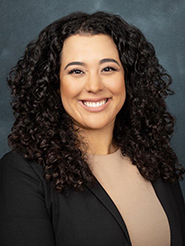
Alexis Calatayud

State Senator District 38

Open person dossier

The reviewed record lists this person as present but does not attribute a motion, statement, or individual vote to them.

Transcript and record text

Closed captionsWhat was said at the meeting, transcribed Sep 28, 2026. Speech is not a decision.
  • Some speaker identities remain unresolved.

The opening of 180,983 stored characters

>> When I ask Cindy to call the roll, Siri thinks I'm asking her to call the roll, and that's why she's talking. So I'm not going to be using Cindy's name. Please silence all electronic devices. Anyone wishing to speak before the committee should complete an appearance form, hand it to a member of the sergeant's office. And if you waive your speaking time, which we prefer a lot of times, your position will be included in the committee records. Before we take up the bills, let's take up the confirmation hearing appointments. We have six appointees to be considered for confirmation. I checked with the minority and majority offices, and they indicated that they did not require the appointees to be here. Save us a little time. >> Florida Channel logo. >> Unless a senator requests a separate vote on an individual appointee, we will take one vote on all appointees. So first of all, are there any appearance forms for any of the appointees, and you have the list in your packet. Is there any debate on the appointee? >> Woman writes on paper. >> Is there a motion to recommend confirmation? >> So move. >> Senator Jones moves to recommend confirmation of the appointees on tabs 1 through 6. Please call the roll. >> Senator Avila? >> Yes. >> Senator Berman. >> Yes. >> Senator Boyd? >> Yes. >> Senator Bradley? >> Yes. >> Senator Brodeur? >> Yes. >> Senator Burgess? Senator Burton? >> Yes. >> Senator Davis? Senator DiCeglie? >> Yes. >> Senator Gaetz? >> Yes. >> Senator Garcia? >> Yes. >> Senator Grall? >> Yes. >> Senator Harrell? >> Yes. >> Senator Hooper? >> Yes. >> Senator Martin? >> Yes. >> Senator Osgood? >> Yes. >> Senator Pizzo? Senator Rodriguez? Senator Rouson? >> Yes. >> Senator Simon? Senator Trumbull? >> Yes. >> Senator Wright? >> Yes. >> Vice Chair Jones? >> Yes. >> Chair Passidomo? Yes. By your vote, the confirmation of appointees on tabs 1 through 6 is reported favorably. Senators, we have a very robust agenda today. We go to six o'clock, and I hope we are finished by then. I plan on it. So we're going to start with Senator McClain's two bills. Tab 8, CS for SB 208 on land use and development regulations. You are recognized to explain the bill. >> Thank you, Madam Chair, and senators of the committee for allowing me to present Senate Bill 208. Senate Bill 208 is about transparency and predictability in land use decisions. First, it requires that development application fees reasonably relate to the actual cost of review and be published on the local government's fee schedule. Second, it establishes objective standards for evaluating residential compatibility. If an application is denied on compatibility grounds, local government must identify specific areas of incompatibility and provide written findings. The bill does not require approval of projects that are inconsistent with local plans. It simply requires objective defensible standards. That is the bill. >> Thank you. Before we do questions on the bill, there are two amendments. So let's do the amendments. Take up Amendment 705478. Senator McClain, you're recognized to explain that amendment. >> Thank you, Madam Chair. Members, the amendment before you flex continued coordination with the House and incorporates language from SB 948 that stakeholders agreed to as part of broader housing solutions. The amendment adds school easement access provisions, zoning parity for offsite constructed single family homes, expanded placement options for certain manufactured housing and direct OPPAGA to study urban development boundaries. This is a negotiated stakeholder supported package aimed at improving housing supply while maintaining planning consistency. >> Are there any questions on the amendment? You're recognized. >> Thank you, Madam Chair. And thank you for this bill. There's so much in this bill that's great. I just have a question on one piece of the amendment with regard to the Everglades Protection Area. And we passed that in statute a few years ago recognizing the heightened importance of that area. And I wonder why we're now funding a study to consider eliminating it. Can you give me the background on where this came from and if something's changed on the ground to necessitate this? >> You're recognized. >> Thank you, Madam Chair. Senator Bradley, thank you for the question. The House sponsor, it's something that he has a concern about down in Miami-Dade County, but then there are some other urban growth boundaries as well throughout the state. And so I don't think it's just particularly looking at just that boundary while it does state Miami-Dade, I think in the bill. There are some others that we'd just like to maybe have OPPAGA look at and see. Obviously, if you saw some of the things that, is there any hindrance to affordable housing? Are there things that we could maybe do different? I don't know if there's a necessary outcome that I'm looking for to get rid of urban growth boundaries. >> Just a quick follow up. Because it does seem a little strange that you have the state of Florida paying for a study on a local issue. But I appreciate that explanation and look forward to maybe continuing our conversation. >> Any other questions on the amendment? I'm sorry. Senator Berman, you're recognized. >> Thank you. And I'm sorry, I didn't hear the beginning of Senator Bradley's question, so I just want to make sure. >> Man addresses room. >> Is the study to examine the removal of that boundary? Is that what the study is to examine? >> You're recognized. >> Thank you. I guess in my mind, the intent would be just to look at urban boundaries and in general decide. It's more about if we have an artificial boundary that can't be changed or something like that or can't be moved or should it be moved? Does it create a better opportunity for affordable housing because you can allow density or whatever it might be. I think in my mind, that's what I would be looking for out of a study. >> Senator Berman. >> Follow up. Thank you, Madam Chair. What has happened in the last 2-3 years that would justify changing course on protecting the Everglades? >> You're recognized. >> Thank you, Madam Chair. I'm not as familiar with the urban growth boundary in the Miami-Dade area as I am with maybe some of the others just because they're closer to home. But I think obviously in the housing shortage that we've been in over the last several years. Certainly, it's lasted probably 20 years. At this point, we've been in a housing deficit. And as we think about affordable housing, sometimes it is less expensive to go out than it is to go up, although I am a proponent of building up, I am a proponent of putting density where it should be. And so, again, personally I'm not looking for an outcome. >> A man in a suit stands at a podium. >> You're recognized. >> Thank you very much, Madam Chair, and thank you. When you're defining what that study looks at, can you please have some conversations with some of us who are concerned, especially about the Everglades? I've been involved in this issue for many years, so that when that request goes to OPPAGA, that there are some specific questions that perhaps some of us might want to make sure are answered. >> Great. >> Yes. >> Any other questions on the amendment? >> Chamber with Florida seal. >> There are two appearance forms. Jess McCarty, First Assistant County Attorney for Miami-Dade County waives against. Lori Killinger, Florida Manufactured Housing Association waives in support. Is there any debate on the amendment? Senator Jones. >> Thank you so much, Madam Chair. And Senator McClain, actually, I'm happy that Senator Bradley started the conversation and asked him questions when it comes to OPPAGA and Senator Harrell and Senator Berman followed up. I do think this is a local issue. It's actually a fight that happened down in Miami-Dade County. I do not think it's appropriate that we as a body one, look at any changes when it comes to the urban development boundary line. Even with the work that has been done with our Everglades, and I think we've done some great bipartisan work. I don't think this is needed. I hope that this is something that we can pull out of this bill language prior to coming to the floor, and we should allow Miami-Dade County to fight this down at the county level, and we should not deal with this at the state. >> Senator Garcia. >> Thank you, Chair. And Senator McClain, I second what Senator Jones just said. I know that most of these issues are always in the name of affordable housing that has yet to be seen, especially in Miami-Dade County. But I want to state for the record that I am vehemently against pushing the UDB. Any further, I like it the way it is, and I like all of the work that we have done in protecting the Everglades. Thank you. >> Is there any other debate on the amendment? Senator McClain. >> Senator Rodriguez. >> Senator Rodriguez, you're recognized. >> Thank you Madam Chair. I want to echo the comments of my colleagues. This would directly impact my district because I represent this portion where the UDB is located. And I have serious concerns about having this study, and I think it should be kept in the hands of the local government. So with that, I close. >> Any other debate on the amendment? Senator Harrell. >> Thank you. I am going to support the amendment today given the Senator's answer that we could all participate in developing the questions that are submitted to OPPAGA because normally you submit a letter saying what you would like to have in that study. And I'm sure protecting the Everglades is important to all of us. So participating in that study, I'm going to vote for this today. >> Any other debate on the amendment? Senator McClain, you're recognized to close. >> Thank you, Madam Chair. Senators, thank you for those of you that represent those areas and certainly those of you that have been here longer than I have on your comments today, and certainly I give you my word that we'll continue to have those conversations as we move forward, but I would appreciate your support on the amendment today. >> All in favor of the amendment, say Yea. >> Yea. >> Opposed, say nay. The amendment is adopted. Senators, there is a late filed amendment Barcode 712734. Without objection show the amendment introduced. Senator Martin, you're recognized to explain that amendment. >> Thank you, Chair. And thank you, Senator, for your great bill to protect property rights, but also understand that Florida's a growing state, and there's a lot of concerns outside of the individual piece of property, which is what sparked my interest a few months ago when I learned about the rural boundary issue that was taking place in Central Florida. I was concerned about its effects down in my district, if that was something that people in Southwest Florida wanted to take a closer look at. So I reached out to the Attorney General and asked for an opinion on rural boundaries. This amendment comes from the response from the Attorney General's opinion. What I'm hoping to put into this bill is clarification on the private property rights of an individual, whether they want to develop the land or whether they want to save it for future generations to determine its use. But ultimately, where does the government's interest in that land stop, and the traditional property rights that most of us are familiar with, where do those begin? So that's the goal with this amendment. And I've read some articles in the Central Florida media, their opinions about why I asked the attorney general for clarification. But that's the goal is to get clarity so that we know what land can be developed, if the government wants to stop that land from being developed, what the responsibilities of the government are and how that relationship works between the landowner and the government. So that's the amendment, and I filed it late. I know we don't have time to dive into this amendment here during this stop, so I'm going to withdraw the amendment. But I want to give everybody as much time ahead of time to know that if this comes back up on the floor, this is the goal to clarify ultimately and to go along with what Senator McClain is trying to do. Clarify who owns the property and if the government's going to say who doesn't own the property or that the government has interest in the property, how much money is owed to the landowner? Thank you. >> Thank you. Let's show that amendment withdrawn. So we're back on the bill with the first amendment. Are there any questions on the bill as amended? >> Florida seal, flags. >> There are a number of appearance forms. Adam Basford Associated Industries of Florida waives in support, Colton Madill, Florida Chamber of Commerce , waives in support. AARP that's Karen Murillo , waives in support. Alexander Miles, Enterprise Community Partners, waives in support, Daniel Martinez, Americans for Prosperity, waives in support. Brendan Burke, Florida Home Builders Association waives in support. Is there any debate on the bill as amended? You're recognized. Senator Brodeur. >> Thank you, Madam Chair. And members, if you'll indulge me for a second. November, when I gave my remarks following being sworn in and elected as president pro tem, I spoke about the things that guide my life, the principles and convictions, and how I try and live those. And every so and how often in this process, you get hit a ton of bricks. And that's what happened to me when I read Attorney General Uthmeier's opinion on the rural boundary, which was the subject of Senator Martin's late filed amendment that we're likely to see again. I was struck by its clarity and its forcefulness. I even took the occasion to go read other attorney general opinion letters on the subject of growth management, and I would commend that you all read them. However, what I will share is that our attorney general's is probably the strongest opinion letter ever authored on this subject. There is, however, one small problem. I am, historically, and always have been a supporter of the rural boundary. Every chance that we've had an opportunity to vote for this in my district, I've supported the rural boundary. But as I said, at swearing in, we must be led by our core convictions and beliefs, and my core conviction is my responsibility to protect the people who have elected me in Orange and Seminole County from constitutional infringement. What I'm so appreciative of Senator Martin's amendment is its respect for the counties. We could very easily be here with an amendment that says, rural boundaries are hereby outlawed. That's what the Attorney General's letter said is that it is a per se infringement, it's a taking. But that's not what his amendment does. In reality, with a letter like this, we have an obligation. We have it on record that people are having their constitutional rights impaired, period. For me, the rural boundary in both counties is not some history book entry. Before I was Senator Brodeur, I was planning and zoning Commissioner Brodeur in Seminole County. >> And I was there to implement the rural boundary. So I actually had a direct and personal view of its effects. The Orange County rural boundary came into existence while I was serving as a senator for Orange County. My support for the rural boundary has always been premised on the understanding that growth is permanent and that wise, cautious decision-making is the best decision-making. But I'm rooted in my core belief of private property rights, and that's what makes America special. I could go on about it for days, but I will submit to you that the right to own property and the reverence that our Constitution has for that right demands a delicate balance. And before I close, I want to make reference of some other notes that happened in that letter. Well, I support the rural boundary in good faith, and part of that reason we find ourselves in the position that we're in today is that elected officials back home have made very public declarations that no property owner were ever going to have their land removed from the rural boundary. And while they took a tool that worked well enough, having an administrative remedy available to them, they have dedicated their lives to making sure that's not available to anyone. That's why we're here today. And so they have, by doing so, disqualified themselves in the opinion of the attorney general from ever being able to render a fair decision on what to do with their land. Disappointed by that. It's not a good look for our elected officials. I would hope that in the future, they think twice about making such pronouncements because and I'm sad to say this, this is precisely why sometimes we can't have nice things. >> Man talks, other. >> And so with a letter like this, something must be done. We can't do nothing. And so thank you, Senator Martin, for having prompting the discussion, for writing the letter. I'm torn on it. I am thankful for Senator McClain and his bill and the ability to address this. But with this letter, we must do something. And so I'm supportive of the bill and look forward to working with Senator Martin on the floor. Thank you. >> Any other debate? Senator Jones. >> Thank you so much, Senator McClain. Senator McClain, there are certain parts of my district, more particularly Miami Beach, who have bought some concerns when it comes to SB 28. I just became made aware of some of those concerns as of yesterday. So until I get better clarity from them, and also you and I have a conversation, which you and I converse quite often. I'm going to say no on the bill today. Let me see what those concerns are with my district in Miami Beach, and then I will circle back with you on that. Thank you, Madam Chair. >> Any other debate? Senator Garcia, you recognize. >> Thank you, Chair Passidomo. And so I share Miami Beach with Senator Jones, Senator McClain, and you and I had spoken briefly with regards to that, and I know how good you are with trying to come to a happy ending. [LAUGHTER] But I have an issue with Lines 53264. >> Senator Garcia looks at a binder. >> Subsection does not apply. I'll say compatibility between uses in different future land use categories, including rural agricultural conservation, open space, mixed use, industrial or commercial use, applications for development within planned unit developments or master planned communities, application for development within historic districts designated before January 1, 2026. This is basically making Miami Beach absolutely insane. There's a project in the works of a water park that to my understanding, the constituents of Miami Beach just do not want. I will be voting in favor of the bill today. Senator McClain, but I would like to sit with you and discuss this moving forward. Thank you. >> Any other debate? Senator McClain, you're recognized to close. >> Thank you. Madam Chair. Senators, again, thank you for all of your conversation, and certainly, my door is always open for those of you maybe don't know. I've spent countless hours working on this bill with all the stakeholders involved and certainly take as many comments and questions as I can, try to make sure that we're coming up with good product. Obviously, there's some things that have popped up in the last few days that, even to me, had come up fairly late, but I certainly look forward to having those conversations. Senator Brodeur said it really well. One of the things that land use is supposed to be objective. There's a comprehensive plan is about objectives and goals. And yet, when it becomes subjective, someone usually is losing their property rights over that. And so it's one of key pieces for me when I'm working on this stuff is [OVERLAPPING]. >> Man looks serious. >> Is someone being infringed upon? Are their rights being infringed upon because now the decision has become subjective instead of objective? And so I'll probably say that in a minute on another bill I'm going to do, but that's some of my underlying thought process when I work on these things. I have some experience with it, having been in local government for 12 years. >> Man at stand gestures. >> Probably was subjective a few times and didn't realize they needed to be objective. And so I would ask for your favorable support today. You certainly have my word that I will work with all of you to try to make sure that the product that we end up with is the best. >> Legislative chamber. >> Please call the roll on CS for CS for SB 208. >> Senator Avila, Senator Berman, Senator Boyd, Senator Bradley, Senator Brodeur, Senator Burgess, Senator Burton, Senator Davis, Senator DiCeglie , Senator Gaetz, Senator Garcia, Senator Grall, Senator Harrell, Senator Hooper, Senator Martin, Senator Osgood, Senator Pizzo, Senator Rodriguez, Senator Rouson, Senator Simon, Senator Trumbull, Senator Wright, Vice Chair Jones. Chair Passidomo. >> Yes. By your vote, CS for SB 208 is reported favorably. Next, we're going to take up Tab 19, CS for CS for SB 686 on Agricultural Enclaves. Senator McClain, you're recognized to explain the bill. >> Thank you, Madam Chair. This bill became a little controversial last year, but we continue to work on it, and met with the stakeholders, took in your comments that you all made during debate and certainly in private meetings with me and those types of things. And we continued to work on the bill. And I think we've come to a pretty good place where all the stakeholders are in agreement on the language, and we'll have amendment filed by a member here shortly, but this is a revision to the agricultural enclave statute that's existed since 2005. And the legislation provides necessary updates to the existing agricultural enclave section of balancing priorities of smart growth. Agricultural enclaves are parcels that are surrounded by existing development, and only apply to unincorporated lands, agricultural properties surrounded by development previously approved by the county are unable to utilize the highest and best use of their property if a county refuses to change the underlying land use, if it becomes a subjective decision. The revisions create a streamlined public hearing process allowing for local input and a public negotiation process between the landowner and the county when applying for a development permit as part of the approval process, local government must consider access to public services, including utilities, schools, transportation, and agricultural enclaves approved under the new procedure must conform to the existing densities and intensities, that is the bill, Madam Chair. >> And there are two amendments. We're going to take up Amendment Bar Code 118996. Senator McClain, you're recognized to explain. >> Thank you, Madam Chair. We've added a few more protections in delete-all that I want to point out. We ensure protections of our conservation easements and also added wildlife corridors into the analysis made by the local government. They can actually do some things that would, if a wildlife corridor is near an agricultural enclave, the local governments are encouraged to maybe look at some setbacks or different types of things on the agricultural enclave. And also [OVERLAPPING]. >> Man at podium. >> We've excluded areas of critical state concern as it relates to the potential to have an agricultural enclave by those areas of state concern. That is the amendment. >> Well, there is an amendment to your amendment. This amendment by Senator Harrell , Bar Code 193976. Senator Harrell, you're recognized to explain it. >> Thank you very much, Madam Chair. And thank you so very much for working with me, Senator McClain. I so appreciate it. As you all may know, I've been very involved in comprehensive Everglades restoration and also the Indian River Lagoon and Northern Everglades Protection Plan to make sure that we are protecting environments that have an impact on comprehensive Everglades restoration. And this amendment explicitly preserves stronger protections for parcels located within counties that are covered under that protection plan. And that is the amendment. >> Are there any questions on Senator Harrell's amendment? There is one appearance form. Matt Forrest, representing Martin County waves in support. Is there any debate on Senator Harrell's amendment to the amendment? Senator McClain? >> Thank you, Madam Chair. This is a favorable amendment. Senator Harrell, thank you for bringing this to my attention and for us being able to work out a good solution. I think that not just takes care of a few counties, but takes care of a lot of areas in Florida. So thank you for the amendment. >> Senator Harrell, you are recognized to close. >> Thank you very much, Madam Chair and I want to just say thank you so much to Senator McClain for working with me. This is very important to my constituents in Martin County, but everyone who's impacted by Comprehensive Everglades restoration and protecting all the waterways that have an impact on it. And with that, I'd ask for your favorable support. >> All in favor of the amendment, say aye. Oppose, say nay. The amendment is adopted. So now we're back on the main amendment, Bar Code 118996. Are there any questions on that? >> Art pieces on walls. >> There are no appearance forms. Is there any debate? Senator McClain, you're recognized to close? >> Thank you. Madam Chair. I did want to add one thing. We did include protections to prevent one ag enclave from potentially creating another Ag enclave. We did put that restriction in there, too. I missed that. But thank you, Madam Chair. >> All in favor of the amendment, say aye. Oppose, say nay. The amendment is adopted. So we're back on the bill as amended. Are there any questions on the bill as amended? Senator Berman, you're recognized. >> Thank you, Madam Chair. I just want to confirm that this bill is only effective for, I believe, 18 months. Is that correct? >> Well, Senator McClain. >> I thought it was like two years, but it could be 18 months from now. Yes, ma'am. Yes. >> Any other questions? You're recognized. >> Thank you, Madam Chair. Senator McClain, just one quick question. If a county has already carefully planned service boundaries to manage infrastructure costs, does this require them to extend the water, the sewage, and other services to urban standards to these partials? >> You are recognized. >> Thank you, Madam Chair. It does not. That would be part of a negotiation with the property owner. >> Any other questions on the bill as amended? Okay, we have a couple of appearance forms. Carrie Hebrnk, Florida Home Builders Association Waves and Support, Adam Basford Associated Industries of Florida waves and Support, Chadwick Leonard, 1,000 Friends of Florida waves against Daniel Martinez, Americans for Prosperity Waves and Support. Is there any debate on the bill as amended? >> Chair turns head holds pencil. >> I just wanted to say something, I wanted to thank you. I mean, we started this journey last year, and I remember you and I weren't quite on the same page, and then you said something that just has stuck. You said, If we don't do something, the last farmer standing gets screwed. And I'm like, I've been thinking about that for a year. And by your addition of the not adding enclave to enclave, which would then create urban sprawl, I think we've come up with a really good work product, and I want to thank you for all the time and effort. You are recognized to close. >> I'll wave close with your comment. >> Please call the roll on CS for CS for CS for SB 686. >> Senator Avila, Senator Berman, Senator Boyd, Senator Bradley, Senator Brodeur. >> Yes. >> Senator Burgess, Senator Burton, Senator Davis, Senator DiCeglie , Senator Gaetz, Senator Garcia, Senator Grall , Senator Harrell, Senator Hooper, Senator Martin, Senator Osgood, Senator Pizzo, Senator Rodriguez. Senator Rouson, Senator Simon, Senator Trumbull, Senator Wright. Vice Chair Jones. Chair Passidomo. >> Yes. By your vote, CS for CS for CS for SB 686 is reported favorably. >> Thank you. >> And next, we have three bills from Senator Leek. We're going to start with Tab 13. CS for CS for SB 436 on felony battery. You are recognized to explain the bill. >> Thank you. Florida's battery enhancement statute was intended to address repeat violent behavior, not isolated incidents. Historically, enhancement focused on prior battery convictions as indicators of escalating violence. Violent offenders who assault law enforcement are often convicted of resisting an officer with violence rather than battery on a law enforcement officer. This occurs because resisting an officer with violence carries a higher sentencing score and more accurately reflects the severity of the conduct. However, under current law, that conviction would not qualify for battery enhancement purposes. This allows a repeat violent offender to be treated as a first-time offender for the enhancement. This bill adds resisting an officer with violence as a qualifying prior offense. It allows for misdemeanor battery to be enhanced to a third-degree felony when the offender has a prior resisting officer with violence offense, and the bill also adds felony battery of a law enforcement officer resulting in bodily injury to the list of qualifying offenses for prison releasee re offender status. That is the bill. >> Are there questions on the bill? There's one appearance form. Molly Hudson, Volusia Sheriff's Office , waves in support. Is there any debate? Senator Leek, you're recognized to close. >> I'll waive close. >> Please call the roll on CS for CS for SB 436. >> Senator Avila, Senator Berman, Senator Boyd, Senator Bradley, Senator Brodeur. >> Yes. >> Senator Burgess, Senator Burton, Senator Davis, Senator DiCeglie? >> Chamber. Man speaks, people sit. >> Thank you. Senator Gaetz, Senator Garcia, Senator Grall, Senator Harrell, Senator Hooper, Senator Martin, Senator Osgood, Senator Pizzo, Senator Rodriguez, Senator Rouson, Senator Simon, Senator Trumbull, Senator Wright, Vice Chair Jones. Chair Passidomo. >> Yes. >> By your vote, CS for CS for SB 436 is reported favorably. We're going to take up Tab 23 SB 830 on public records, county administrators and city managers. Senator Leek, you're recognized to explain the bill. >> Thank you. And members, I probably like you, are growing weary of the never ending stream of public records exemptions, and believe that we should look at it overall. But I bring this one to you as a matter of fairness. Last session, this legislature passed Senate Bill 268, which exempted the same personal identifying information from public records for state and local elected officials. What this bill would do would expand that exemption to county administrators, and a list of others. And it would create a public record exemption for home address, telephone number, date of birth for county administrators, deputy county administrators, assistant county administrators, city managers, deputy city managers, assistant city managers, as well as the names and telephone numbers and place of employment of their spouses and the names and addresses of the school or daycare attended by their children. That is the bill. >> Are there questions on the bill? There are a couple of appearance forms. Jeff Scala, Florida Association of Counties, waves in support. George Shamiso, Broward County , waves in support. Any debate? Senator Leek, you recognize close. >> I'll wave close. Please call the roll on SB 830. >> Senator Avila. >> Yes. >> Senator Berman. >> No. >> Senator Boyd. >> Yes. >> Senator Bradley. >> Yes. >> Senator Brodeur. >> Yes. >> Senator Burgess. >> Yes. >> Senator Burton. >> Yes. >> Senator Davis. >> Yes. >> Senator DiCeglie. >> Yes. >> Senator Gaetz. >> No. >> Senator Garcia. >> Yes. >> Senator Grall. >> No. >> Senator Harrell. >> Yes. >> Senator Hooper. >> No. >> Senator Martin. >> Yes. >> Senator Osgood. >> Yes. >> Senator Pizzo, Senator Rodriguez. >> Yes. >> Senator Rouson, Senator Simon. >> Yes. >> Senator Trumbull. >> Yes. >> Senator Wright. >> Yes. >> Vice Chair Jones. >> Yes. >> Chair Passidomo. >> Yes. By your vote, SB 830 is reported favorably. Take up Tab 29, SB 990 on protected cell captive insurance companies. Senator Leek, you're recognized to explain the bill. >> Thank you. Captive insurers cover a wide range of risk, including both traditional and non traditional ones for their parent company or related entities. This includes property and casualty liability and workers' compensation as well as evolving risks like cybersecurity, credit risk, and terrorism. Captives can also cover unique risks that are difficult to insure in the conventional market and can provide employee benefit coverage like healthcare. Florida originally enacted captive insurance legislation in 1982, but has yet to authorize protected cell captive insurers or protected cell companies. Of the 36 states, allowing captive insurers, 21 allows some form of PCC. Rather than pool its insured risk, a PCC may keep a separate underwriting account for each insured participant. These accounts are legally separated or protected, and each insured's assets are kept in its own Waldorf cell. The assets in one participant's account may not be used to pay liabilities in another unless the respective participants have entered into an agreement to do so. PCCs actually guarantee that each cell within the company will be shielded not only from sharing capital and surplus with other cell owners, but also from any legal action brought against another participant. Even in the event of a cell liquidation, there is no legal recourse against any other cell in the company. This bill drafts and authorizes protective cell captive insurers to be domiciled in Florida, using Tennessee's law and the NAIC Model Act as guidance. That is the bill. >> Are there any questions on the bill? >> Man turns page. >> There are a couple of appearance forms. Ben Stearns, Secretary of Florida Captive Insurance Association waves in support. Wayne Matthew. >> Florida Seal. >> Florida Risk Institute waves in support. Any debate? Senator Leek, you recognize close. >> I'll wave close. >> Please call the roll on SB 990. >> Senator Avila. >> Yes. >> Senator Berman. >> Yes. >> Senator Boyd. >> Yes. >> Senator Bradley. >> Yes.Senator Brodeur. >> Yes. >> Senator Burgess, Senator Burton. >> Yes. >> Senator Davis. >> Yes. >> Senator DiCeglie. >> Yes. >> Senator Gaetz. >> Yes. >> Senator Garcia. >> Yes. >> Senator Grall. >> Yes. >> Senator Harrell. >> Yes. >> Senator Hooper. >> Yes. >> Senator Martin. >> Yes. >> Senator Osgood. >> Yes. >> Senator Pizzo, Senator Rodriguez. >> Yes. >> Senator Rouson. >> Yes. >> Senator Simon. >> Yes. >> Senator Trumbull. >> Yes. >> Senator Wright. >> Yes. >> Vice Chair Jones. >> Yes. >> Chair Passidomo. >> Yes. By your vote, SB 990 is reported favorably. >> Thank you. >> Senator Truenow, you're up with Tab 17 CS for CS for SB 600 on bail bonds. You're recognized to explain the bill. >> Text. Seal of the state of Florida. >> Thank you, Madam Chair. Members, Senate Bill 600 makes changes to Florida's bail bond and partial release laws. The bill revises training requirements for bail bond agents by reducing mandatory in person classroom hours. It also allows for credit card processing fees now incentivizing the option for consumers to have the choice to using credit cards. It also tightens restrictions on solicitation by bail bond agents and agencies. It also revises the part time period for remission of forfeiture to 37 months. This was suggested by the clerks of the court to better align with their budgeting procedures. [OVERLAPPING] >> Man looks at papers. Others look at papers or devices. >> Received to the defendant, only 10501C is involved. Otherwise, the deposit will be made to the recipient to the individual that makes the deposit. It ensures that all parties agree to a bond before a bond is reinstated. It streamlines bond discharge when a court revokes partial release. It also allows for electronic notification in many aspects relating to bond process. And it also provides that warrants are entered timely for extradition purposes, and that is the bill. >> There is one amendment. We're going to take up Amendment R Code 736450 by Senator Rouson. You're recognized to explain the amendment. >> Thank you very much, Madam Chair. This amendment is straightforward. It removes the language that unfairly targets charitable bail groups, churches, and other nonprofit organizations as the only entities that would have their bail deposits given to the defendants that they get out rather than in their own name, as is the case for everyone else. As far as I'm aware, the language proposed in this bill is unlike any law or policy elsewhere in the country. This amendment preserves the existing statutory language and legal status quo in Florida. And that's the amendment. >> Are there questions on the amendment? >> Red folder with papers on desk. >> There are. There's an appearance form on the amendment. RJ Meyers, The Bail Project, wishes to speak. Mr. Meyers, you're recognized for two minutes. >> A man in a green suit approaches a podium. >> Thank you, Madam Chair , members of the committee. I'm RJ Meyers representing The Bail Project. Senator Rouson, I want to thank you for filing this amendment. I always appreciate you. Nonprofits step up to fill the gap when the governments fail, period. They solve problems in our society. They do it daily in our communities. They're doing it on shoestring budgets. They are doing them more effectively and cost efficiently. There are numerous charitable bail operations across the country and a handful here in Florida. This amendment aims to ensure that these organizations can continue to operate and save taxpayers literally millions of dollars. I represent The Bail Project, and they are single handedly saving taxpayers millions of dollars every year. >> Mr. Meyers gestures. >> You have to ask yourself, why is an industry bill trying to squash out non profits? This is just my client, The Bail Project. Nearly a quarter of The Bail Project's clients ultimately have all of their charges dismissed. Meaning that if they weren't bailed out, they would have sat in jail for absolutely no reason. And all of that at the taxpayer's expense. I've spoken to most of you on this issue, and I'm more than happy to answer any questions that you may have about my work with this organization and what some of the others do, as well as some of the other services that they do provide. The whole objective of the bail project and their charitable bail fund is, one, to make sure that these folks aren't just sitting in jail needlessly when they are non violent offenders, but it's to make sure that they get services and that they can become productive members of society. That's what we all want. This amendment leaves everything the way that it functions now. And I just want to thank you again, Senator Rouson, and I would encourage all of you, your favorable support. Thank you. >> Senator Harrell has a question of you. >> Thank you very much, Madam Chair, and I just want to clarify. If this amendment is passed, then the dollars that the nonprofit has put up to bail someone out goes back to the nonprofit instead of going to the individual who was charged. >> You're recognized >> I'm sorry. I apologize. If a nonprofit is operating a charitable bail fund and they were to bail you out, someone out, the money would be receipted in the defendant's name , in your name. It would not go back to the nonprofit. >> Senator Harrell, you're recognized. >> Under the current bill. But under the amendment that's been presented under Senator Rouson's amendment, I'm interpreting it that the money goes back to the nonprofit so that they can use it again to help somebody else. So I just want to clarify. If you were the individual, if you were the nonprofit, the money would go back to the nonprofit so you can continue to do your services. >> You're recognized. >> Yes, ma'am. >> Thank you. >> Are there any other? Thank you. There's no other appearance form. >> May I ask a question, please, Madam Chair. May I ask a question please? >> You're recognized. >> Thank you. I'm just wondering does the nonprofit have the obligation to return the defendant to court? And for their court appearance, is there any obligation on the nonprofit with regard to having that defendant appear? >> You're recognized. >> I'm so sorry. >> A woman gestures. >> Senator, The Bail Project, when they take on a case, they have someone that sticks with that individual and follows them all the way through to their appearance state. They have a 92% appearance rate, which is significant. >> Any other? Senator Martin, you have questions of our speaker? >> Thank you. How does the 92% showing up rate, will compared to the rest of the bond market? >> You're recognized. >> Thank you. I'm not sure, what the commercial. >> Senator Martin, you're recognized for a follow up. >> Thank you, Chair. Follow up. If someone's grandmom bails them out of jail, oftentimes there's a personal connection, the grandmother might vouch for the person, understand their background pretty well, maybe some nuances about what got them in trouble to begin with. I'm not asking you to speak for all the other non for profits that are out there. But what specific research does your organization do on the background of the individual and whether or not they're going to show back up whether or not they're going to abscond and whether or not they're going to commit a new crime while they're out on pretrial release? >> Madam Chair. So there is an interview process, and one of the primary criteria is the likelihood that they would recidivate. And so there are a number of criteria that they would meet or that they would have to meet for them to engage with that person to take on their case. >> Thank you very much for your testimony. Is there any debate on the amendment? >> Senator Jones walks to podium. >> Senator Jones, you're recognized. >> Thank you so much, Madam Chair. I'm asking that we support Senator Rouson's amendment. I spoke with both sides yesterday, and I think Senator Harrell asked a very good question as it pertains to, who benefits from this, and the people who benefit from this are the nonprofit organizations who not only help these individuals, but I think we just heard RJ give an amazing statistics of those individuals who cases are dismissed. I think it's working. It's not broke, it doesn't need to be fixed. I have said we support this amendment to keep what's already happening in place. And that's my support of this amendment, Madam Chair. >> Any other debate? Senator Martin. >> Thank you. Thanks for bringing this bill, Senator Truenow. And if you could express in your close on the amendment, whether it's friendly or not or in your discussion on the amendment. But my concern with this amendment is it takes away the distinction that the bill places on whether or not an individual or their family member post bond and whether [OVERLAPPING] as caring as they are, whether a third party that's potentially incorporated in a completely different state, whether their organization is going to do as much to keep our community safe. When an individual post bond on behalf of a family member, a neighbor, an employee, a spouse, they have a much more full understanding of the likelihood of that person showing back up in court. I think it's entirely reasonable that there's a completely different risk factor that we distinguish between individuals who are bonding out individuals versus corporations, whether they're non for profit or for profit, bonding out individuals. I think there's a rational relationship to that. You have a constitutional right to get bond, except in very limited situations under Florida law. And if somebody can't get bond immediately, there's always the opportunity for a bond hearing where a judge can then dive deeper, have a much more lengthy discussion and put appropriate protections in place. I'm fine with the way the bill is currently written. I think it contemplates the uniqueness of these situations. I'm down on the amendment. I know what they're trying to do, and I feel like their heart's in the right place, but I think when the rubber meets the road, the financial incentive to make sure that our communities are safe, that individuals are getting the appropriate, whether it's screening, whether it's oversight, counseling. >> Senator Jones gestures. >> Requirements of pre-trial lease that a court can offer. I think we're missing the boat if we vote on this amendment or if we vote in favor of those amendments. So for that reason, I'm down on this amendment. >> Any other debate on the amendment? Senator, yes, you're recognizing and then Senator Simon. >> Thank you, Madam Chair. As I'm listening and I'm thinking about bails bonds, there are many people that end up taking pleas because they don't have family members that can go bond them out. And you have a lot of nonprofits who I just tend to believe do their work in good faith. A lot of times as a ministry, to help out. I am up on the amendment because it just makes better sense to me that if an organization or individual is putting up bond money, and when the money is returned, it should go back to the individual that put up the bond money, not necessarily to the person that they are defending. So I am up on this amendment, and I commend all the non profits that are doing this work, especially as a ministry so that people are not just sitting in jail because they don't have access to bank accounts or access to money that they are released, and then they get their day in court, and it goes from there. So I'm going to ask if you all would please support this amendment. >> Senator Simon and Senator Harrell. >> Thank you, Madam Chair. I'm also up on the amendment. As Senator Osgood mentioned, I think there are families that are out there that could utilize these funds. It should go back to the charitable organization. I don't like the fact that we are, in a sense, choking out these charitable organizations because there are families that just can't afford it. And with the data that we're looking at, at least that Mr. RJ shared with us, there's a third of those folks that are sitting in these jails that the charges are dropped. So we have just got them sitting because they can't afford to get out. So for those reasons, I know that maybe, Senator Martin, that the bill language isn't perfect. My hope is that we can get it to a better place on the floor. But I think I'm up on the amendment to this bill. Thank you. >> Senator Harrell. >> Man looks down. >> Thank you very much, Madam Chair. And I too, am going to vote for the amendment. I think I absolutely believe in second chances. And the money is going to go back to the people who actually put the money up for the individual when the individual or their family didn't have the resources to do that. You have a 92% appearance rate. To me, that's very positive. But if the money comes back, it should go to the individual or the group that gave the money. So I am up with this, but if there's tweaks to it, perhaps you can work on that. And at this point, I'm up the amendment. >> Any other debate on the amendment? Senator Burton. >> Text. Great seal of the State of Florida, in God, we trust. A man at a podium. >> Thank you, Chair. >> The chamber continues. >> I'm going to be up on the amendment, but I think it needs more. I'm up on the concept of the amendment, if you will, because I think there needs to be more parameters wrapped around it. We need more time to work on this. So I'll be up on the amendment today and look forward to, regardless of what the outcome of the vote is, Senator, now working with others who want to just perfect this because I'm sure that's where his heart usually is on things. So I'll be up on the amendment. >> Any other debate on the amendment? Senator Truenow, you're recognized. >> Thank you, Madam Chair, and thank you, members for the conversation. Wish that I'd had it before we got to this point, but here we are. Licensed bail bonds have the statutory authority to apprehend and surrender a defendant who fails to appear in court. Nonprofit organizations do not have that authority. There are things that charitable bail projects and non for profits do that cause burden on the taxpayer in the state of Florida. Charitable bail charity is a one way giving for most parts of the definition, and the definition says that. But some of these charities are a little bit nefarious. They're not always exactly what was presented to you today. So I'm going to go with the will of the committee on this, whether or not, and it may give us opportunity to figure out another way to get this done, but that's where I stand on this. >> Senator Rouson, you're recognized to close on the amendment. >> Thank you very much, Madam Chair. This involves the basic principle of returning the favor of the risk that was taken by the charitable organization for the person's release pre trial. Without this amendment, the bill singles out an industry that is seeking to do good for those who could least afford the opportunity to be out working with their family until their court date and until their matter is resolved. It's not a different risk factor. It's the same risk factor, except it's non-commercial. It's nonprofit. A bond agent is in a commercial business, and he's in it to make a profit. >> Man with gray hair, tie speaks. >> So I ask your favorable support on this amendment to make the bill a better bill. >> All in favor of the amendment say Yea. >> Yea. >> Opposed say nay. >> No. >> The amendment is adopted. We're back on the bill as amended. Are there questions on the bill as amended? There is one appearance form. Cary Carlisle, Florida Bail Agents Association waves in support. Is there any debate on the ball as amended? >> The chair makes a mark. >> Senator Truenow, you're recognized to close. >> Thank you, Madam Chair. Members, a lot of work went into this bill by the principal stakeholders, and I would like to thank them for all the help getting this bill to a better position in advance of this committee. With that, I ask for your favorable support. >> Please call the roll on CS for CS for CS for SB 600. >> Senator Avila. >> Yes. >> Senator Berman. >> Yes. >> Senator Boyd. >> Yes. >> Senator Bradley. >> Yes. >> Senator Brodeur. >> Yes. >> Senator Burgess. >> Yes. >> Senator Burton. >> Yes. >> Senator Davis. >> Yes. >> Senator DiCeglie. >> Yes. >> Senator Gaetz. >> Yes. >> Senator Garcia. Senator Grall. >> Yes. >> Senator Harrell. >> Yes. >> Senator Hooper. >> Yes. >> Senator Martin. >> Yes. >> Senator Osgood. >> Yes. >> Senator Pizzo. Senator Rodriguez. >> Yes. >> Senator Rouson. >> Yes. >> Senator Simon. >> Yes. >> Senator Trumbull. >> Yes. >> Senator Wright. >> Yes. >> Vice Chair Jones. >> Yes. >> Chair Passidomo. >> Yes. By your vote, CS for CS for CS for SB 600 is reported favorably. Next, we're going to take up Tab 26, CS for SB 914 on dry needling by Senator Calatayud. >> The presiding legislator reads from papers. >> Senator Calatayud, you have about five bills, so bring them all up. >> A person walks towards the podium at the right side of the room. Chamber view. Senate Seal. Woman walks to podium. >> Thank you, Madam Chair. >> Woman in a checkered jacket walks to the podium. >> This legislation concerns board licensure requirements, revising the reference that removes currently inaccurate limitations and gives board flexibility to designate appropriate providers for dry needling. This change allows occupational therapists to receive dry needling supervision from an occupational therapist, physical therapist or chiropractor, and expands access to effective pain relief and rehabilitative services, maintaining rigorous training standards. That is the bill, Madam Chair. >> Are there questions on the bill? There are no appearance forms. Any debate? Senator Calatayud, you're recognized to close. >> Wave close. >> Please call the roll on CS for SB 914. >> Senator Avila. >> Yes. >> Senator Berman. >> Yes. >> Senator Boyd. >> Yes. >> Senator Bradley. >> Yes. >> Senator Brodeur. >> Yes. >> Senator Burgess. >> Yes. >> Senator Burton. >> Yes. >> Senator Davis. >> Yes. >> Senator DiCeglie. >> Yes. >> Senator Gaetz. >> Yes. >> Senator Garcia. Senator Grall. >> Yes. >> Senator Harrell. >> Yes. >> Senator Hooper. >> Yes. >> Senator Martin. >> Yes. >> Senator Osgood. Senator Pizzo. Senator Rodriguez. >> Yes. >> Senator Rouson. >> Yes. >> Senator Simon. >> Yes. >> Senator Trumbull. >> Yes. >> Senator Wright. >> Yes. >> Vice Chair Jones. >> Yes. >> Chair Passidomo? >> Yes. By your vote, CS for SB 914 is reported favorably. Okay, we're going to take up Tab 39, CS for SB 1434 on infill redevelopment. Senator Calatayud, you're recognized to explain the bill. >> Senator Calatayud arranges papers. >> Thank you, Madam Chair. This legislation requires administrative approval of a qualifying parcel when compliant with the requirements of the bill, specifically environmental qualification requirements, evidence of contamination or pollutants above a Phase 2 environmental site assessment. It requires properties to be at least five acres adjacent to a parcel done for residential use as of right. When a parcel is adjacent to single family or town homes, the developer must provide a buffer at least 20 feet. Properties will have to be developed in line with their surroundings and the character of those communities, and local governments may require compliance in all architectural design regulations if applicable. This is specifically for the counties of Miami-Dade, Broward, and Palm Beach, population over 1.47 million people and has at least 15 municipalities with a carve-out for agricultural land, land outside of the urban growth boundary, and land that is in one quarter mile of military installation. That is the bill, Madam Chair. >> There is one amendment. Bar Code 935140. Senator Calatayud, you're recognized to explain the amendment. >> Thank you, Madam Chair. This specific amendment is related to the buyback provision in the bill for property in the middle of a neighborhood. It removes a provision that would require a 10% increase of purchase back price over a bonafide offer. That is the amendment, Madam Chair. >> Are there questions on the amendment? There are no appearance forms on the amendment. Any debate on the amendment? Senator Calatayud, you're recognized to close on the amendment. >> Wave close. >> All in favor of the amendment say Yea. >> Yea. >> Opposed saying nay. The amendment is adopted. So we're back on the bill as amended. Are there questions on the bill as amended? There is one appearance form. Daniel Martinez, he's working hard today, Americans for Prosperity waves in support. Any debate on the bill as amended? You're recognized to close. >> Wave close. >> Please call the roll on CS for CS for SB 1434. >> Senator Avila. >> Yes. >> Senator Berman. >> Yes. >> Senator Boyd. >> Yes. >> Senator Bradley. Senator Brodeur. >> Yes. >> Senator Burgess. >> Yes. >> Senator Burton. >> Yes. >> Senator Davis. >> Yes. >> Senator DiCeglie. >> Yes. >> Senator Gaetz. >> Yes. >> Senator Garcia. >> Yes. >> Senator Grall. >> Yes. >> Senator Harrell. >> Yes. >> Senator Hooper. >> Yes. >> Senator Martin. >> Yes. >> Senator Osgood. >> Yes. >> Senator Pizzo. >> Yes. >> Senator Rodriguez. >> Yes. >> Senator Rouson. >> Yes. >> Senator Simon. >> Yes. >> Senator Trumbull. >> Yes. >> Senator Wright. >> Yes. >> Vice Chair Jones. >> Yes, sorry. >> Chair Passidomo. >> Yes. By your vote, CS for CS for SB 1434 is reported favorably. We're going to take up Tab 42, CS for SB 1504 on insurance customer representative licensing qualifications. Senator Calatayud, you're recognized to explain the bill. >> Thank you, Madam Chair. This legislation updates the pre licensure education requirements for the 440 customer service representative license to allow a high school student who completes a half credit elective in insurance and personal finance upon turning 18 to be eligible to apply for the licensure. That is the bill, Madam Chair. >> Are there questions on the bill? There are two appearance forms. BG Murphy, Florida Association of Insurance Agents , waves in support. Daniel Martinez waves in support. Any debate? Senator Calatayud, you're recognized to close. >> Wave close. >> Please call the roll on CS for SB 1504. >> Senator Avila. >> Yes. >> Senator Berman. >> Yes. >> Senator Boyd. >> Yes. >> Senator Bradley. Senator Brodeur. >> Yes. >> Senator Burgess. >> Yes. >> Senator Burton. >> Yes. >> Senator Davis. >> Yes. >> Senator DiCeglie. >> Yes. >> Senator Gaetz. >> Yes. >> Senator Garcia. >> Yes. >> Senator Grall. >> Yes. >> Senator Harrell. >> Yes. >> Senator Hooper. >> Yes. >> Senator Martin. >> Yes. >> Senator Osgood. >> Yes. >> Senator Pizzo. >> Yes. >> Senator Rodriguez. >> Yes. >> Senator Rouson. >> Yes. >> Senator Simon. >> Yes. >> Senator Trumbull. >> Yes. >> Senator Wright. >> Yes. >> Vice Chair Jones. >> Yes. >> Chair Passidomo. >> Yes. By your vote, CS for SB 15 oh four is reported favorably. Next, Tab 48, SB 1718 on educator preparation and certification. Senator Calatayud, you're recognized to explain the bill. >> Thank you, Madam Chair. >> Phone and mic on podium. >> This legislation allows teacher certification candidates to access coursework at an Educator Preparation Institute while satisfying the Department of Education statement of status eligibility requirements. Expands eligibility for temporary educator certification to include individuals whose professional certifications have expired and allows those with expired certificates to use their previous subject, their examination results to satisfy the requirement. That is the bill, Madam Chair. >> Are there questions on the bill? There are a number of appearance forms. Jessica Pritchard from Itech waves in support. Stephanie Kunkel, Florida's Education Association, waves in support. Nathan Hoffman, foundation for Florida's Future, waves in support. Is there any debate? Senator Calatayud, you're recognized to close. >> Wave close. >> Please call the roll on SB 1718. >> Senator Avila. >> Yes. >> Senator Berman. >> Yes. >> Senator Boyd. >> Yes. >> Senator Bradley. >> Yes. >> Senator Brodeur. >> Yes. >> Senator Burgess. >> Yes. >> Senator Burton. >> Yes. >> Senator Davis. >> Yes. >> Senator DiCeglie. >> Yes. >> Senator Gaetz. >> Yes. >> Senator Garcia. >> Yes. >> Senator Grall. >> Yes. >> Senator Harrell. >> Yes. >> Senator Hooper. >> Yes. >> Senator Martin. >> Yes. >> Senator Osgood. >> Yes. >> Senator Pizzo. Senator Rodriguez. >> Yes. >> Senator Rouson. >> Yes. >> Senator Simon. >> Yes. >> Senator Trumbull. >> Yes. >> Senator Wright. >> Yes. >> Vice Chair Jones. >> Yes. >> Chair Passidomo. >> Yes. By your vote, SB 1718 is reported favorably. >> The legislator gestures with a pencil. >> I'm sorry. It was reported favorably. Let's take up Tab 50, CS for SB 7038 on education by education post secondary. And Senator Calatayud, you're recognized to explain the bill. >> Thank you, Madam Chair. This bill provides a tuition waiver for members of the Florida State Guard and clarifies residency for individuals who were incarcerated in Florida. It strengthens consumer protections and oversights for providers of blind services and vocational rehabilitation services. Clarifies licensure for private colleges and universities, provides a uniform grading system for honored and accelerated courses, clarifies eligibility to offer dual enrollment and reimbursements, updates college readiness assessments and developmental education policies. Allows a student to defer their Benacquisto scholarship and m

Meeting record textRules

Skip to Navigation | Skip to Main Content | Skip to Site Map

FLHouse.gov | Mobile Site

Senate Tracker: Sign Up | Login

Go to Bill:

Session:

2026F

2026E

2026D

2026

2025

2025C

2025B

2025A

2024 Org.

2024

2023C

2023

2023B

2022A

2022 Org.

2022D

2022C

2022

2021B

2021A

2021

2020 Org.

2020

2019 I

2019

2018 Org.

2018

2017A

2017

2016 Org.

2016

2015C

2015B

2015A

2015

Official record

ArtifactSourceState
AgendaNot published in the sources we holdunavailable
Agenda packetNot published in the sources we holdunavailable
Budget documentNot published in the sources we holdunavailable
Action agendaNot published in the sources we holdunavailable
MinutesNot published in the sources we holdunavailable
Transcript or captionsSource recordingread transcript
AttachmentNot published in the sources we holdunavailable

Coverage and corrections

Records considered

  • Rules

Not claimed by this page

  • Verified meeting decisions with item-specific public-source evidence
  • Item-level plain-language summaries are not available; this page does not infer individual agenda items.
  • Item-linked, attributed deliberation
  • A source-grounded next meeting date
  • Official outcomes have not been published.
  • Transcript coverage is partial.
  • Named people and places have not been reliably resolved.
  • An individual roll-call roster is not available.

No source correction or revision history is recorded for this meeting. A corrected artifact will appear here as a new version rather than replacing what is shown above.

Canonical record: 3dd98a712486dd5f8fb601dcefbe6ea3. This page changes as stronger artifacts are published; it never overwrites an agenda with minutes.

Publisher tools

Share or embed this record

POLISCOPE publisher tools

Share or embed this record