
The civic record
Read. Follow. Verify.West Virginia Bill SB 998 creates a student loan repayment program for child and adolescent mental health…
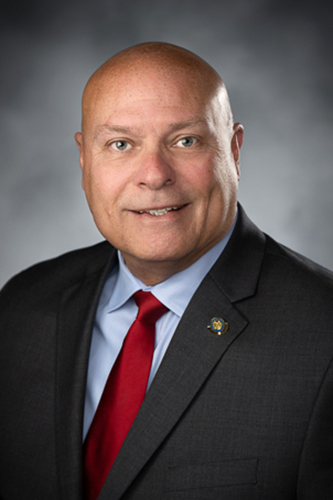
Last action · February 19, 2026: To Health and Human ResourcesSponsor: Scott Fuller
Track this bill to get notified when it advances a stage. One tap to stop, anytime.
What This Bill Proposed
West Virginia Senate Bill 998 establishes a student loan repayment program administered by the Department of Health to recruit and retain mental health professionals focusing on children and adolescents. Eligible full-time licensed providers may receive annual loan repayments of up to 10 percent of their total loan balance, capped at $50,000 over a maximum of 10 years, contingent upon available funding in the newly created .
Licensed pediatric and adolescent mental health practitioners in West Virginia could receive up to $50,000 in state-funded student loan relief over a ten-year period, provided they maintain full-time employment and meet annual application deadlines.
- State-sponsored loan repayment programs are frequently utilized by legislatures to attract and retain healthcare professionals in underserved or specialized fields. context
Who It Would Have Affected
Groups the bill's text would have affected, as described in the record. Being affected is not a position for or against it.
Mental health professionals focusing on children and adolescents
Qualifying licensed practitioners may receive direct state-funded payments toward their outstanding student loans.
Department of Health
The department is tasked with administering the program, verifying eligibility, publicizing availability, and maintaining records for at least six years.
Key Facts
You don't have to trust us. Each fact below is taken straight from the official document - click any one to see the exact passage, highlighted in the original.
Frequently Asked Questions
Who is eligible to apply for the loan repayment program?
What is the maximum amount of financial assistance a recipient can receive?
By what date must applicants submit their documentation each year?
What else do you want to know?
News Coverage
Follow the record
Votes, people, money & the original sourceWhere This Stands
This bill did not become law - Died at adjournment · in Senate committee.
Procedural history
4 actions- Feb 19, 2026SenateCommitteeTo Health and Human Resources
- Feb 19, 2026SenateIntroducedIntroduced in Senate
- Feb 19, 2026SenateCommitteeTo Health and Human Resources then Finance
- Feb 19, 2026SenateIntroducedFiled for introduction
Version history
Only one version on file - nothing to compare yet. As later stages (committee substitute, engrossed, enrolled) are captured, the redline appears here.
View official text →Lobbying Activity
No state lobbying filings in our records match this bill. Federal lobbying reports (LDA) cover Congress, so they are not listed on state bills.
Full breakdown
Who this bill affects and the strongest case for and against it, written only from the bill’s own text.
Sponsors
Discoveries
Patterns POLISCOPE noticed across the record. These are observations to investigate, not conclusions.
Targeted Health Workforce Recruitment
The bill establishes a specialized funding mechanism focused exclusively on mental health professionals treating children and adolescents rather than general healthcare providers.
Connected Entities
Sources
www.wvlegislature.gov
Analysis Score
0–100- Significance20Lowered because this bill did not pass (its text scored 60)
- Controversy15Intensity of disagreement among stakeholders
- Entertainment5Compellingness for a non-policy-wonk reader
- Buzz25Current news / social attention level
Publisher tools