
The civic record
Read. Follow. Verify.Ohio Enacts Respiratory Care Interstate Compact to Permit Multi-State Practice
Last action · June 16, 2026: IntroducedSponsors: Kristina Roegner and 2 others
Track this bill to get notified when it advances a stage. One tap to stop, anytime.
What This Bill Would Do
Ohio enacts the Respiratory Care Interstate Compact, allowing licensed respiratory therapists from member states to practice in Ohio and Ohio therapists to practice in other member states under a streamlined privilege system. The State Medical Board must select a compact commissioner within sixty days, and incoming privilege holders must complete criminal records checks unless equivalent checks were done in their home state.
Licensed respiratory therapists gain a regulated pathway to treat patients across state lines, while state licensing boards share disciplinary data through a centralized system and retain authority to impose s.
Who It Would Affect
Groups the bill's text would affect if enacted, as described in the record. Being affected is not a position for or against it.
Respiratory Therapists
Licensed respiratory therapists gain the ability to practice in other member states through a streamlined compact privilege pathway, subject to specific eligibility requirements and background checks.
Active Military Members and their spouses
Active military members and their spouses retain home state designations while on active duty and are exempt from paying Commission fees for the compact privilege.
State Medical Board
The board must select a compact commissioner within sixty days, report adverse actions and investigative information, and review criminal records check results.
Key Facts
- Ohio ratifies and enters into the Respiratory Care Interstate Compact.
- The State Medical Board must select one individual to serve as a commissioner on the Respiratory Care Interstate Compact Commission within sixty days after the compact is entered into.
- Individuals holding a compact privilege must comply with sections 4776.01 to 4776.04 of the Revised Code within sixty days of receiving the privilege in Ohio, unless an equivalent criminal records check was already completed by their home state.
- The Commission is established as a joint government agency whose membership consists of all member states.
Show all 6 facts
- Active military members and their spouses are exempt from paying any compact privilege fee charged by the Commission.
- A licensee exercising the compact privilege must hold an active home state license, an active credential from the National Board for Respiratory Care, and have no adverse action against a license within the previous two years.
Frequently Asked Questions
What does the Respiratory Care Interstate Compact do?
Do active military members have to pay fees for the compact privilege?
Who represents Ohio on the Interstate Commission?
What else do you want to know?
News Coverage
Follow the record
Votes, people, money & the original sourceWhere This Stands
Currently passed chamber. The next step in the legislative lifecycle is Law.
Procedural history
5 actions- Jun 16, 2026HouseIntroducedIntroduced
- Jun 10, 2026SenateFloorPassed
- Jun 10, 2026SenateCommitteeReported - Amended (Health)
- Mar 19, 2025SenateCommitteeReferred to Health
- Mar 18, 2025SenateIntroducedIntroduced
Version history & redline
3 versions on fileVoting Record
Favorable Passage
Total
33
- Yes
- 33
- No
- 0
- Present
- 0
- Not voting
- 0
- Abstain
- 0
How they voted (11)


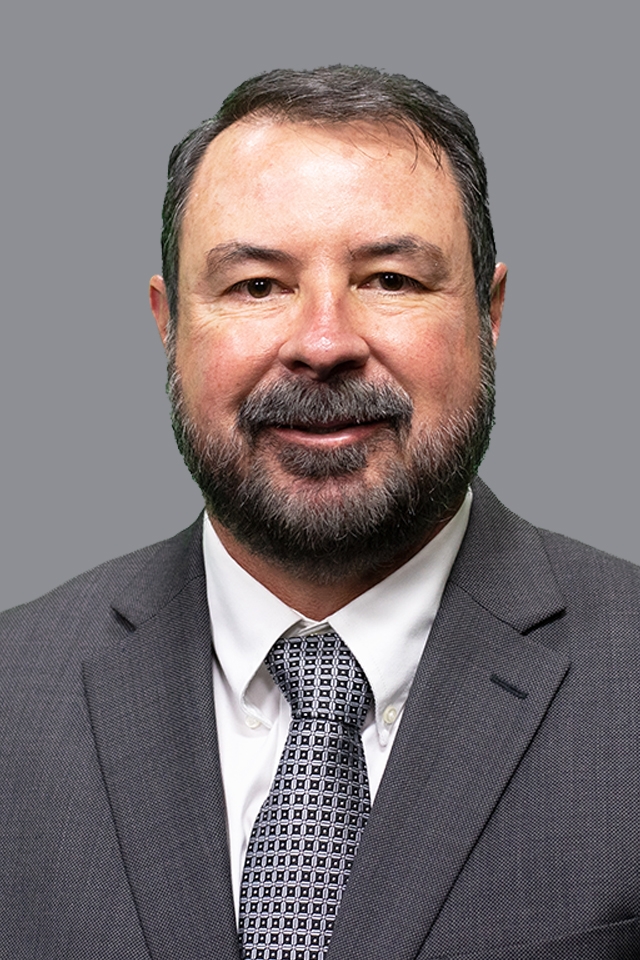


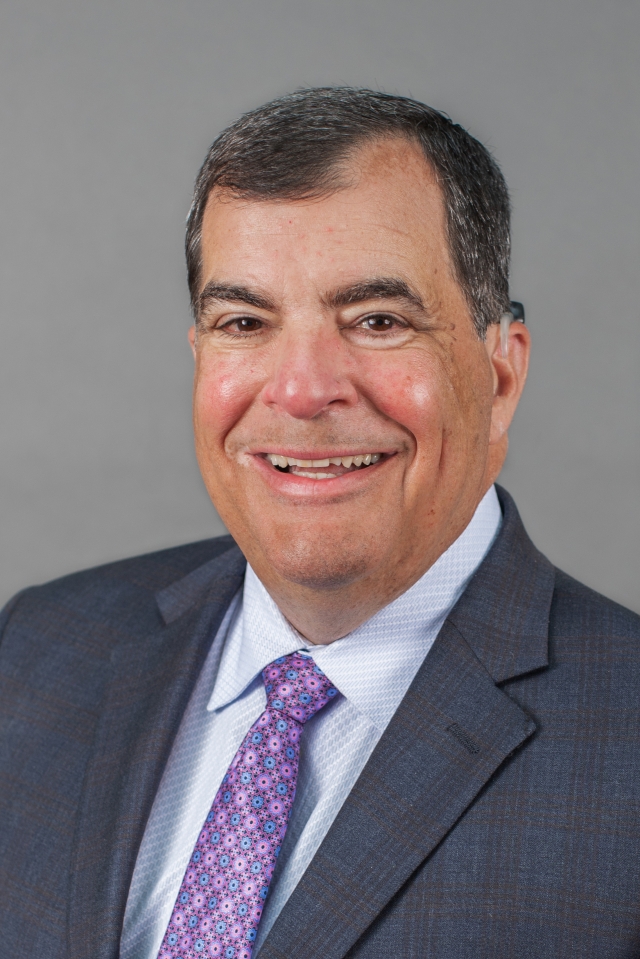


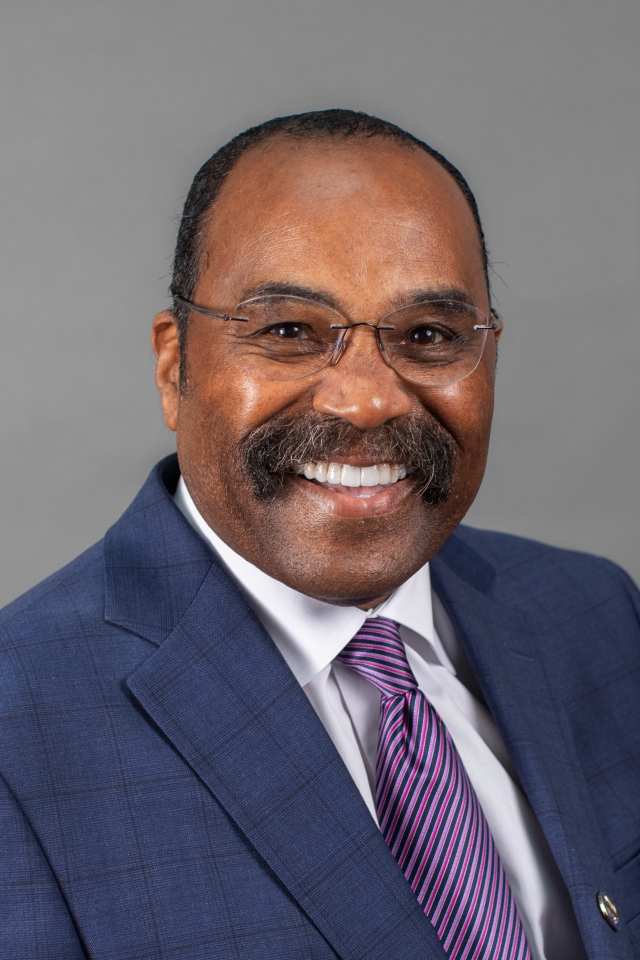
Show 1 earlier roll call
Favorable Passage
Total
33
- Yes
- 33
- No
- 0
- Present
- 0
- Not voting
- 0
- Abstain
- 0


Lobbying Activity
No state lobbying filings in our records match this bill. Federal lobbying reports (LDA) cover Congress, so they are not listed on state bills.
Full breakdown
Who this bill affects and the strongest case for and against it, written only from the bill’s own text.
Sponsors


Discoveries
Patterns POLISCOPE noticed across the record. These are observations to investigate, not conclusions.
Interstate Licensing Framework for Respiratory Care
Ohio joins a multi-state agreement that bypasses traditional single-state licensing barriers for respiratory therapists while preserving state regulatory oversight and adverse action reporting.
Connected Entities
Sources
www.legislature.ohio.gov
Analysis Score
0–100- Significance65How much this matters to a regular citizen
- Controversy15Intensity of disagreement among stakeholders
- Entertainment5Compellingness for a non-policy-wonk reader
- Buzz25Current news / social attention level
Publisher tools