
The civic record
Read. Follow. Verify.Utah Legislature limits Supreme Court legal licensing fees and prohibits mandatory funding of non-regulatory services
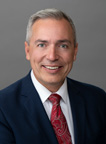
Last action · March 6, 2026: Senate/ filedSponsor: Dan McCay
Track this bill to get notified when it advances a stage. One tap to stop, anytime.
What This Bill Proposed
This joint resolution amends rules relating to the practice of law.
- Under Utah Constitution Article VIII, Section 4, the Utah Legislature holds the authority to amend rules of procedure and evidence adopted by the Utah Supreme Court upon a two-thirds vote of all members of both houses. context
Who It Would Have Affected
Groups the bill's text would have affected, as described in the record. Being affected is not a position for or against it.
lawyers
licensed paralegal practitioners
Licensed paralegal practitioners are subject to the same fee restrictions and licensure rules administered by the Bar.
Utah Supreme Court
The Supreme Court's authority to impose licensing fees and fund services through mandatory bar dues is restricted.
Key Facts
You don't have to trust us. Each fact below is taken straight from the official document - click any one to see the exact passage, highlighted in the original.
Frequently Asked Questions
What fees can the Utah Supreme Court charge legal professionals?
Can mandatory licensing fees be used to pay for member or public services?
What else do you want to know?
News Coverage
Follow the record
Votes, people, money & the original sourceWhere This Stands
This resolution did not become law - Died at adjournment · passed the Senate.
Procedural history
20 actions- Mar 6, 2026SenateSenate/ filed
- Mar 6, 2026SenateSenate/ strike enacting clause
- Mar 6, 2026SenateSenate/ 3nd Reading Calendar to Rules
- Feb 3, 2026ReleasedLFA/ fiscal note publicly available for SJR003S01
- Feb 3, 2026Version SponsorLFA/ fiscal note sent to sponsor for SJR003S01
- Feb 3, 2026Legislative Fiscal AgencyLFA/ bill sent to agencies for fiscal input for SJR003S01
Show 14 earlier actions
- Feb 3, 2026Legislative Fiscal AnalystLFA/ bill assigned to staff for fiscal analysis for SJR003S01
- Jan 21, 2026SenateSenate/ circled
- Jan 21, 2026SenateSenate/ 3rd reading
- Jan 20, 2026SenateFloorSenate/ passed 2nd reading
- Jan 20, 2026SenateSenate/ 2nd reading
- Jan 20, 2026SenateSenate/ placed on 2nd Reading Calendar
- Jan 20, 2026SenateIntroducedSenate/ 1st reading (Introduced)
- Jan 12, 2026ReleasedLFA/ fiscal note publicly available for SJR003
- Jan 12, 2026Version SponsorLFA/ fiscal note sent to sponsor for SJR003
- Jan 7, 2026SenateSenate/ received bill from Legislative Research
- Dec 23, 2025Legislative Fiscal AgencyLFA/ bill sent to agencies for fiscal input for SJR003
- Dec 23, 2025Legislative Fiscal AnalystLFA/ bill assigned to staff for fiscal analysis for SJR003
- Dec 23, 2025Legislative Research and General CounselNumbered Bill Publicly Distributed
- Dec 23, 2025Legislative Research and General CounselBill Numbered but not Distributed
Version history
Only one version on file - nothing to compare yet. As later stages (committee substitute, engrossed, enrolled) are captured, the redline appears here.
View official text →Lobbying Activity
No state lobbying filings in our records match this bill. Federal lobbying reports (LDA) cover Congress, so they are not listed on state bills.
Full breakdown
Who this bill affects and the strongest case for and against it, written only from the bill’s own text.
Sponsors
Discoveries
Patterns POLISCOPE noticed across the record. These are observations to investigate, not conclusions.
Legislative Oversight of Court Licensing Fees
Utilizes constitutional legislative authority under Utah Constitution Article VIII, Section 4 to amend Supreme Court administrative rules regarding bar fees.
Connected Entities
Sources
le.utah.gov
Analysis Score
0–100- Significance20Lowered because this bill did not pass (its text scored 60)
- Controversy50Intensity of disagreement among stakeholders
- Entertainment10Compellingness for a non-policy-wonk reader
- Buzz25Current news / social attention level
Publisher tools