
NewsPBS NewsHourMay 4, 2026United States
How Recent Supreme Court Rulings Are Changing Congressional District Maps
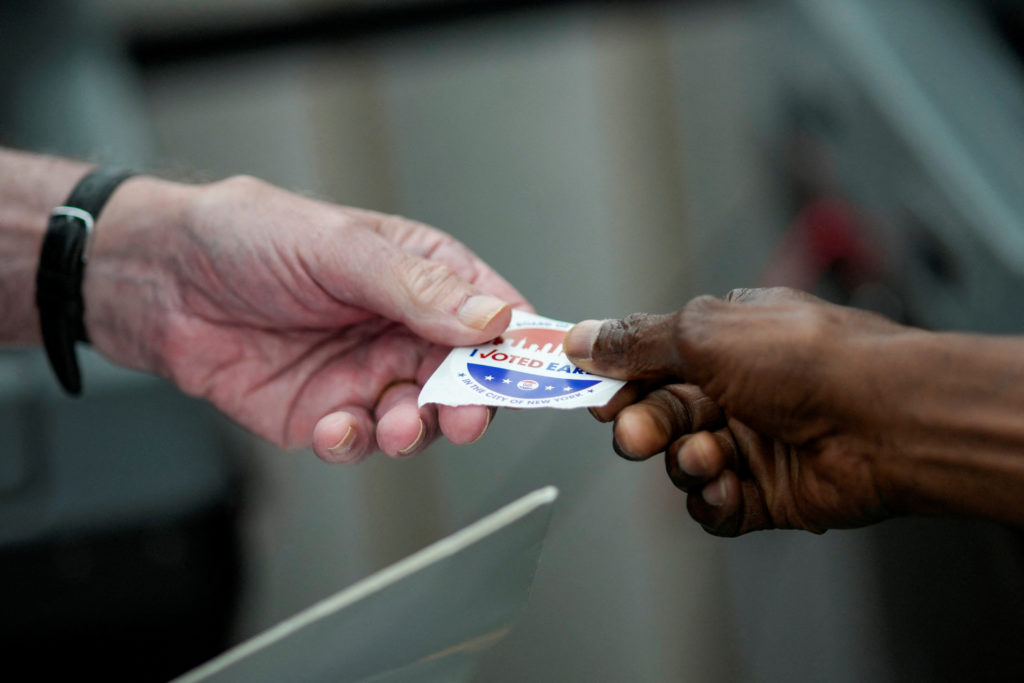
Photo: PBS NewsHour
A recent Supreme Court decision in Louisiana v. Callais has weakened federal protections against partisan gerrymandering, allowing states to redraw congressional districts with fewer legal constraints. This shift has prompted both Republican and Democratic-led states to pursue aggressive redistricting strategies to secure more legislative seats.
Read the full story at PBS NewsHourWhy It Matters
The ruling removes federal requirements to maintain certain s, potentially changing which party holds power in the U.S. House of Representatives and altering the representation of minority voters in states like Tennessee, Louisiana, and Alabama.
Key Facts
- The Supreme Court ruled in Louisiana v. Callais that federal courts cannot prevent partisan gerrymandering and weakened Voting Rights Act requirements for majority-minority districts.
- Tennessee Republicans plan to split a majority-Black district in Memphis among more conservative districts.
- Louisiana postponed its congressional primaries (originally set for May 16) to redraw two majority-Black seats.
- Alabama is seeking Supreme Court permission to redraw its two majority-Black seats.
- Donald Trump stated that Republicans could potentially gain 20 seats through aggressive redistricting.
- Democrats have threatened to retaliate by redrawing districts in states like New York and Illinois to split Republican strongholds.
- The Supreme Court previously ruled in 2019 that federal courts cannot prevent partisan gerrymandering.
- Redistricting typically occurs once a decade following the census, but recent legal changes have encouraged mid-cycle redrawing.
Who's Mentioned
otherLouisiana v. Callais“Supreme Court case that weakened Voting Rights Act requirements for district dra”dollar amount54“Total number of House seats in California.”PersonMichael Li“Analyst at the Brennan Center for Justice.”PersonRick Hasen“Law professor at UCLA.”otherVoting Rights Act“Federal law previously used to protect minority representation in districts.”PersonJonathan Cervas“Political scientist at Carnegie Mellon.”dollar amount20“Number of seats Republicans believe they could gain through redistricting.”OrganizationBrennan Center for Justice“e you can end up shooting yourself in the foot," said Michael Li of the liberal ”PersonDonald Trump“Former President who encouraged Republicans to redraw congressional maps.”PersonSean Trende“Political analyst who has drawn maps for Republicans.”