
The civic record
Read. Follow. Verify.Massachusetts bill requires equitable allocation of clean energy spending for environmental justice and low-income communities
Last action · April 6, 2026: Accompanied a study order, see H5323Sponsors: Steve Owens and 16 others
Track this bill to get notified when it advances a stage. One tap to stop, anytime.
What This Bill Would Do
The undersecretary of environmental justice and equity is required to oversee the proportional allocation of clean energy spending benefits to environmental justice and designated low-income communities, with compliance goals aligned with state emission limits. Beginning January 1, 2025, clean energy program reviews must detail benefit allocations, identify participation barriers, and update benefit levels every 5 years.
State clean energy investments and program reviews must systematically track and direct benefits toward and low-income communities while incorporating renter protections against rent increases following clean energy installations.
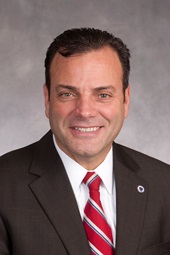
- Steven Owens serves as a member of the Massachusetts House of Representatives representing Watertown. context
Who It Would Affect
Groups the bill's text would affect if enacted, as described in the record. Being affected is not a position for or against it.
environmental justice populations
Clean energy spending benefits must be allocated proportionally to the percentage of the population residing in environmental justice communities.
rental property occupants
Guidelines across programs must address rental property challenges, including protections against rent increases following clean energy installations.
Key Facts
You don't have to trust us. Each fact below is taken straight from the official document - click any one to see the exact passage, highlighted in the original.
Frequently Asked Questions
Who oversees the allocation of clean energy benefits under this bill?
What protections are included for renters?
What else do you want to know?
News Coverage
Follow the record
Votes, people, money & the original sourceWhere This Stands
Currently in committee. The next step in the legislative lifecycle is Floor Vote.
Procedural history
6 actions- Apr 6, 2026HouseAccompanied a study order, see H5323
- Dec 4, 2025HouseReporting date extended to Wednesday, March 18, 2026
- Oct 16, 2025JointHearing rescheduled to 10/16/2025 from 01:00 PM-01:55 PM in A-1 and Virtual<br> <span style="color: blue; font-style: italic;">Hearing updated to New End Time</span>
- Oct 3, 2025JointHearing scheduled for 10/16/2025 from 01:00 PM-05:00 PM in A-1
- Feb 27, 2025SenateSenate concurred
- Feb 27, 2025HouseCommitteeReferred to the committee on Telecommunications, Utilities and Energy
Version history
Only one version on file - nothing to compare yet. As later stages (committee substitute, engrossed, enrolled) are captured, the redline appears here.
View official text →Lobbying Activity
No state lobbying filings in our records match this bill. Federal lobbying reports (LDA) cover Congress, so they are not listed on state bills.
Full breakdown
Who this bill affects and the strongest case for and against it, written only from the bill’s own text.
Sponsors




Show 12 more sponsors











Discoveries
Patterns POLISCOPE noticed across the record. These are observations to investigate, not conclusions.
Study Order Companion
The bill was accompanied by a study order (H5323) during its legislative progress.
Connected Entities
Sources
malegislature.gov
Analysis Score
0–100- Significance60How much this matters to a regular citizen
- Controversy25Intensity of disagreement among stakeholders
- Entertainment5Compellingness for a non-policy-wonk reader
- Buzz30Current news / social attention level
Publisher tools