
The civic record
Read. Follow. Verify.Wyoming Senate File 75 Grants Supreme Court Authority to Set Court Automation Fees
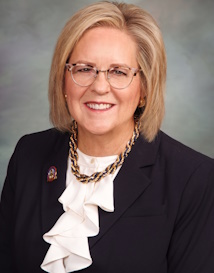
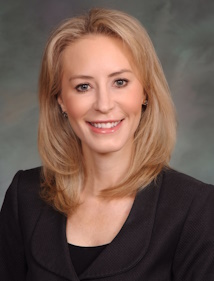
Last action · February 10, 2026: S Failed Introduction 18-12-1-0-0Sponsors: Jared Olsen and 5 others
Track this bill to get notified when it advances a stage. One tap to stop, anytime.
What This Bill Proposed
Senate File 75 authorizes the Wyoming Supreme Court to set court automation fees through rule-making, replacing fixed statutory fee amounts across probate, district, municipal, circuit, and . The measure requires the Supreme Court to report annually to legislative committees and applies to all new cases filed on or after July 1, 2026.
- Wyoming court automation fees are dedicated charges added to court filings and criminal convictions to fund technology improvements across state courts. context
- SF 75 was introduced during the 2026 legislative session as a Senate File sponsored by Senator Olsen and others. context
Who It Would Have Affected
Groups the bill's text would have affected, as described in the record. Being affected is not a position for or against it.
Wyoming Supreme Court
The court is granted rulemaking authority to set court automation fees and required to submit annual reports to legislative committees.
Court litigants and criminal defendants
Key Facts
- The Wyoming Supreme Court is authorized to promulgate rules establishing the required amount of court automation fees.
- Court automation fees must be set at an amount necessary to ensure total revenue covers, but does not exceed, direct and indirect costs for court information technology and related items.
- The Supreme Court is permitted to establish a separate court automation fee specifically for chancery courts.
- The Supreme Court must maintain records demonstrating that fee amounts comply with statutory requirements.
Show all 6 facts
- Not later than October 1 of each year, the Supreme Court must report to the joint judiciary interim committee and the joint appropriations committee on fee amounts and total collections from the preceding fiscal year.
- The act applies to all new cases, matters, proceedings, and filings initially filed on and after July 1, 2026.
Frequently Asked Questions
Who sets the court automation fees under this bill?
Are there reporting requirements for the collected fees?
What else do you want to know?
News Coverage
Follow the record
Votes, people, money & the original sourceWhere This Stands
This bill did not become law - Failed in the Senate.
Procedural history
3 actions- Feb 10, 2026SenateS Failed Introduction 18-12-1-0-0
- Feb 6, 2026SenateS Received for Introduction
- Feb 5, 2026Bill Number Assigned
Version history
Only one version on file - nothing to compare yet. As later stages (committee substitute, engrossed, enrolled) are captured, the redline appears here.
View official text →Lobbying Activity
No state lobbying filings in our records match this bill. Federal lobbying reports (LDA) cover Congress, so they are not listed on state bills.
Full breakdown
Who this bill affects and the strongest case for and against it, written only from the bill’s own text.
Sponsors




Show 1 more sponsor
Discoveries
Patterns POLISCOPE noticed across the record. These are observations to investigate, not conclusions.
Delegation of Fee Setting to Judiciary
The bill shifts fee-setting authority for court automation from fixed legislative statutes to administrative rulemaking by the Supreme Court.
Connected Entities
Sources
www.wyoleg.gov
Analysis Score
0–100- Significance20Lowered because this bill did not pass (its text scored 45)
- Controversy15Intensity of disagreement among stakeholders
- Entertainment5Compellingness for a non-policy-wonk reader
- Buzz20Current news / social attention level
Publisher tools