
The civic record
Read. Follow. Verify.West Virginia House Bill 5495 requires statewide digital privacy agreements and academic verification for all public school software
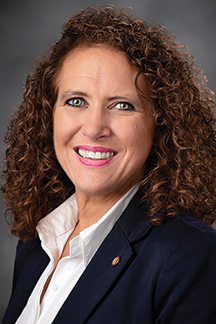
Last action · February 13, 2026: To House EducationSponsors: Jeff Stephens and 7 others
Track this bill to get notified when it advances a stage. One tap to stop, anytime.
What This Bill Proposed
West Virginia public schools and the State Board of Education must execute a statewide digital privacy agreement and verify academic effectiveness for all educational software by July 1, 2026. The legislation prohibits s, restricts biometric and emotional data collection, and requires county boards to notify parents annually of all software in use.
- House Bill 5495 was introduced during the 2026 Regular Session of the West Virginia Legislature and was referred to the House Committee on Education. context
- State digital privacy legislation regarding educational technology has increasingly focused on restricting addictive design features and biometric data collection in K-12 public schools. context
Who It Would Have Affected
Groups the bill's text would have affected, as described in the record. Being affected is not a position for or against it.
County Boards of Education
County boards must execute statewide digital privacy agreements, verify software effectiveness, publish annual software lists for parents, and submit to triennial compliance audits.
Software Vendors
Vendors must sign the statewide digital privacy agreement, provide independent proof of academic effectiveness, and adhere to strict restrictions on data collection and app features.
Public School Students
Students receive heightened privacy protections, limitations on behavioral tracking and addictive app features, and access exclusively to academically effective software.
Parents and Guardians
Parents gain the right to receive annual disclosures of classroom software, get advance notice of new app adoptions, and submit formal complaints regarding privacy violations.
Key Facts
You don't have to trust us. Each fact below is taken straight from the official document - click any one to see the exact passage, highlighted in the original.
Frequently Asked Questions
What does the bill require software vendors to do before schools can use their products?
Are parents notified about the software used in classrooms?
What types of software design features are banned?
How can parents report non-compliant software?
What else do you want to know?
News Coverage
Follow the record
Votes, people, money & the original sourceWhere This Stands
This bill did not become law - Died at adjournment · in House committee.
Procedural history
4 actions- Feb 13, 2026HouseCommitteeTo House Education
- Feb 13, 2026HouseIntroducedIntroduced in House
- Feb 13, 2026HouseCommitteeTo Education
- Feb 13, 2026HouseIntroducedFiled for introduction
Version history
Only one version on file - nothing to compare yet. As later stages (committee substitute, engrossed, enrolled) are captured, the redline appears here.
View official text →Lobbying Activity
No state lobbying filings in our records match this bill. Federal lobbying reports (LDA) cover Congress, so they are not listed on state bills.
Full breakdown
Who this bill affects and the strongest case for and against it, written only from the bill’s own text.
Sponsors






Discoveries
Patterns POLISCOPE noticed across the record. These are observations to investigate, not conclusions.
Shift from Local to Centralized Digital Oversight
The legislation shifts oversight authority by mandating a single statewide digital privacy agreement created by the State Board and requiring independent verification of academic effectiveness for all classroom software.
Connected Entities
Sources
www.wvlegislature.gov
Analysis Score
0–100- Significance20Lowered because this bill did not pass (its text scored 85)
- Controversy35Intensity of disagreement among stakeholders
- Entertainment10Compellingness for a non-policy-wonk reader
- Buzz45Current news / social attention level
Publisher tools