
The civic record
Read. Follow. Verify.Louisiana makes interrupting a religious service a crime punishable by fines and up to six months in jail
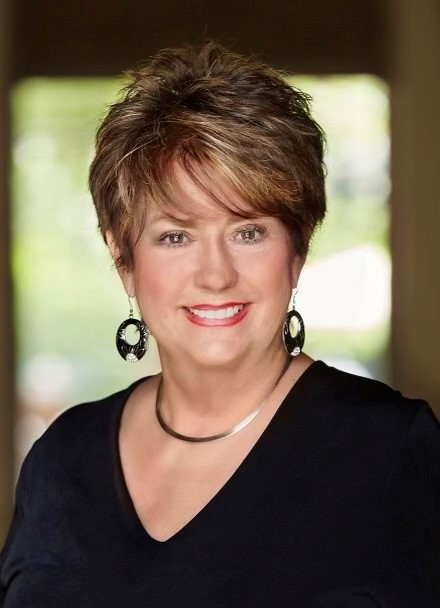
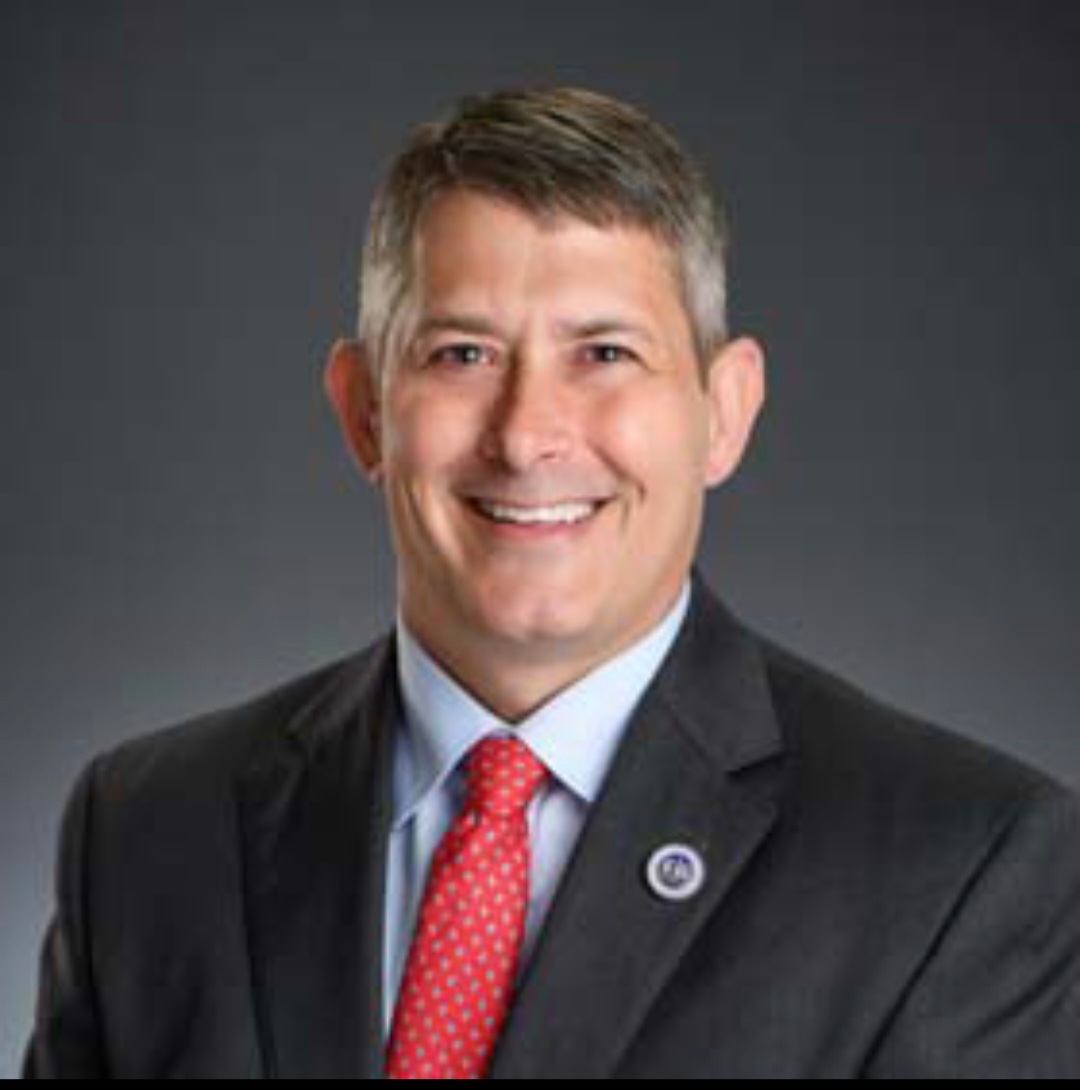
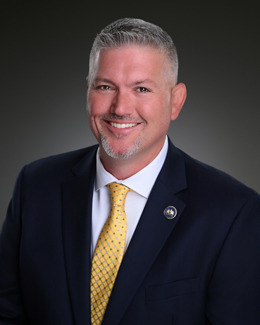
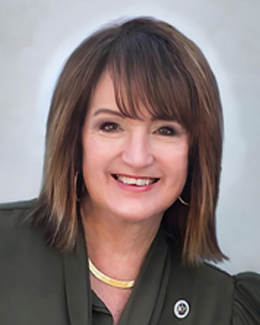
Last action · May 15, 2026: Effective date: 08/01/2026.Sponsors: Laurie Schlegel and 31 others
Track this bill to get notified when it advances a stage. One tap to stop, anytime.
What This Bill Does
House Bill 68 establishes a new criminal offense for interrupting any worship service or religious ceremony at a church or place of worship through threatening behavior, unreasonable noise, or physical obstruction, taking effect on August 1, 2026.
The measure introduces specific criminal penalties for disrupting religious services, carrying fines up to five hundred dollars and jail terms ranging from six months to five years depending on accompanying offenses such as property damage, battery, or being armed.
Who It Affects
Groups the bill's text affects, as described in the record. Being affected is not a position for or against it.
Religious organizations
Religious organizations and their properties gain explicit legal protections against disruptions during worship services.
Clergy and worship attendees
Individuals participating in or leading worship services are protected from targeted threats, physical obstruction, and unreasonable noise.
Key Facts
- Interrupting any worship service or religious ceremony at a church or other place of worship via violent, tumultuous, or threatening behavior is classified as disturbing the peace.
- Using unreasonably loud or abusive language or noise that materially disrupts a religious service is prohibited.
- Interfering with a service by physical obstruction, intimidation, or threat of force toward clergy, leaders, or attendees is prohibited.
- Violators face a fine of not more than five hundred dollars, imprisonment for not more than six months, or both, with thirty days served without benefit of probation or suspension.
Show all 9 facts
- Committing simple battery during the commission of the offense carries imprisonment with or without hard labor for not more than two years.
- Committing simple criminal damage to property during the offense carries imprisonment with or without hard labor for not more than two years.
- Committing the offense while armed with a dangerous weapon carries imprisonment with or without hard labor for not more than five years.
- A church or other place of worship is defined as any building, structure, or defined outdoor area owned, leased, or possessed by a religious organization for worship.
- A religious organization is defined as an entity operated for religious purposes qualifying for tax exemption under Section 501(c)(3) of the Internal Revenue Code.
Frequently Asked Questions
What behavior constitutes a disruption of a religious service under this law?
What are the penalties for interrupting a worship service?
What else do you want to know?
News Coverage
Follow the record
Votes, people, money & the original sourceWhere This Stands
Current status: Signed into law.
Procedural history
22 actions- May 15, 2026HouseEnrolledSigned by the Governor. Becomes Act No. 115.
- May 15, 2026HouseEffective date: 08/01/2026.
- May 13, 2026SenateEnrolledSigned by the President of the Senate.
- May 13, 2026HouseSent to the Governor for executive approval.
- May 12, 2026HouseEnrolledEnrolled and signed by the Speaker of the House.
- May 11, 2026HouseIntroducedRead by title, roll called, yeas 69, nays 22, Senate amendments concurred in.
Show 16 earlier actions
- May 7, 2026HouseScheduled for concurrence on 05/11/2026.
- Apr 23, 2026HouseReceived from the Senate with amendments.
- Apr 22, 2026SenateFloorSenate floor amendments read and adopted. Read by title, passed by a vote of 29 yeas and 8 nays, and ordered returned to the House. Motion to reconsider tabled.
- Apr 13, 2026SenateFloorReported without Legislative Bureau amendments. Read by title and passed to third reading and final passage.
- Apr 8, 2026SenateIntroducedRead by title and referred to the Legislative Bureau.
- Apr 7, 2026SenateCommitteeReported favorably.
- Mar 25, 2026SenateCommitteeRead second time by title and referred to the Committee on Judiciary C.
- Mar 24, 2026HouseFloorRead third time by title, roll called on final passage, yeas 70, nays 31. Finally passed, title adopted, ordered to the Senate.
- Mar 24, 2026SenateReceived in the Senate. Rules suspended. Read first time by title and placed on the Calendar for a second reading.
- Mar 23, 2026HouseFloorRead by title, amended, ordered engrossed, passed to 3rd reading.
- Mar 23, 2026HouseScheduled for floor debate on 03/24/2026.
- Mar 18, 2026HouseReported with amendments (11-0).
- Mar 9, 2026HouseIntroducedRead by title, under the rules, referred to the Committee on Administration of Criminal Justice.
- Feb 6, 2026HouseFirst appeared in the Interim Calendar on 2/6/2026.
- Feb 2, 2026HousePrefiled.
- Feb 2, 2026HouseCommitteeUnder the rules, provisionally referred to the Committee on Administration of Criminal Justice.
Version history
Only one version on file - nothing to compare yet. As later stages (committee substitute, engrossed, enrolled) are captured, the redline appears here.
View official text →Lobbying Activity
No state lobbying filings in our records match this bill. Federal lobbying reports (LDA) cover Congress, so they are not listed on state bills.
Full breakdown
Who this bill affects and the strongest case for and against it, written only from the bill’s own text.
Sponsors


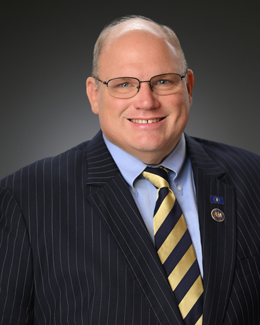
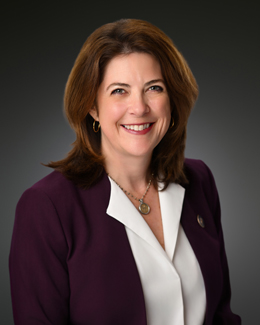
Show 27 more sponsors


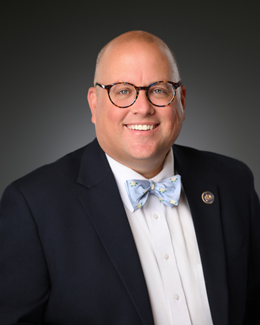

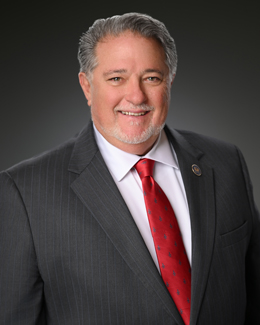






Connected Entities
Sources
www.legis.la.gov
Analysis Score
0–100- Significance65How much this matters to a regular citizen
- Controversy45Intensity of disagreement among stakeholders
- Entertainment10Compellingness for a non-policy-wonk reader
- Buzz30Current news / social attention level
Publisher tools