
The civic record
Read. Follow. Verify.West Virginia requires hospitals to provide communication technology and approved ASL interpreters for deaf and hard of hearing patients
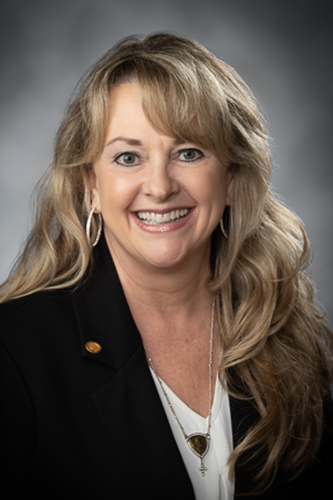
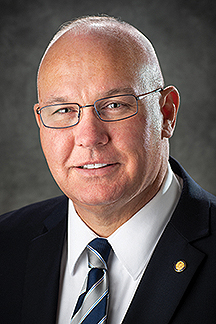
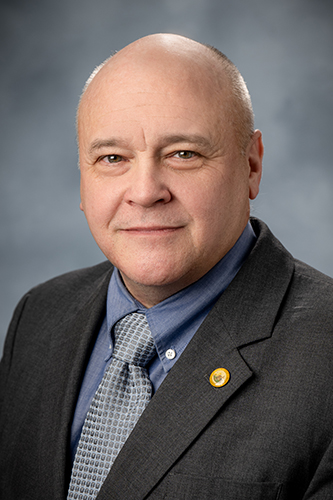
Last action · February 3, 2026: To House Health and Human ResourcesSponsors: Laura Kimble and 9 others
Track this bill to get notified when it advances a stage. One tap to stop, anytime.
What This Bill Proposed
West Virginia House Bill 5097 requires hospitals and healthcare facilities to provide accessible communication services, including American Sign Language interpreters approved by the state commission or assistive communication technology, for deaf and hard of hearing patients and their caregivers. Facilities without an on-staff ASL interpreter must supply alternative technologies such as , captioning services, visual alert systems, or . Noncompliance with these requirements is reportable to licensing authorities.
Deaf and hard of hearing patients, visitors, and their caregivers gain guaranteed access to specific medical communication accommodations and technology during healthcare visits, while covered healthcare facilities face potential licensing reports for noncompliance.
- The Americans with Disabilities Act (ADA) establishes federal civil rights protections ensuring effective communication for individuals with disabilities in public accommodations, including healthcare settings. context
- The West Virginia Commission for the Deaf and Hard of Hearing operates as a state entity dedicated to advocating for and improving accessibility services for deaf and hard of hearing residents. context
Who It Would Have Affected
Groups the bill's text would have affected, as described in the record. Being affected is not a position for or against it.
Deaf and hard of hearing patients and caregivers
Deaf and hard of hearing patients and their family members or caregivers receive guaranteed access to ASL interpreters and assistive communication technologies during healthcare visits.
Hospitals and healthcare facilities
Covered healthcare facilities must provide required communication assistance services and technology and are subject to licensing reports for noncompliance.
Key Facts
You don't have to trust us. Each fact below is taken straight from the official document - click any one to see the exact passage, highlighted in the original.
Frequently Asked Questions
What must a hospital do if an American Sign Language interpreter is not available?
Who must approve American Sign Language interpreters working in these facilities?
What happens if a healthcare facility fails to comply with these requirements?
What else do you want to know?
News Coverage
Follow the record
Votes, people, money & the original sourceWhere This Stands
This bill did not become law - Died at adjournment · in House committee.
Procedural history
4 actions- Feb 3, 2026HouseCommitteeTo House Health and Human Resources
- Feb 3, 2026HouseIntroducedIntroduced in House
- Feb 3, 2026HouseCommitteeTo Health and Human Resources
- Feb 3, 2026HouseIntroducedFiled for introduction
Version history
Only one version on file - nothing to compare yet. As later stages (committee substitute, engrossed, enrolled) are captured, the redline appears here.
View official text →Lobbying Activity
No state lobbying filings in our records match this bill. Federal lobbying reports (LDA) cover Congress, so they are not listed on state bills.
Full breakdown
Who this bill affects and the strongest case for and against it, written only from the bill’s own text.
Sponsors




Discoveries
Patterns POLISCOPE noticed across the record. These are observations to investigate, not conclusions.
Mandatory Healthcare Communication Compliance
The bill codifies specific technological accessibility standards into state hospital licensing law, linking noncompliance directly to licensing authorities.
Connected Entities
Sources
www.wvlegislature.gov
Analysis Score
0–100- Significance20Lowered because this bill did not pass (its text scored 60)
- Controversy15Intensity of disagreement among stakeholders
- Entertainment5Compellingness for a non-policy-wonk reader
- Buzz25Current news / social attention level
Publisher tools