
The civic record
Read. Follow. Verify.Washington bill removes morning work-start window from commute trip reduction definitions
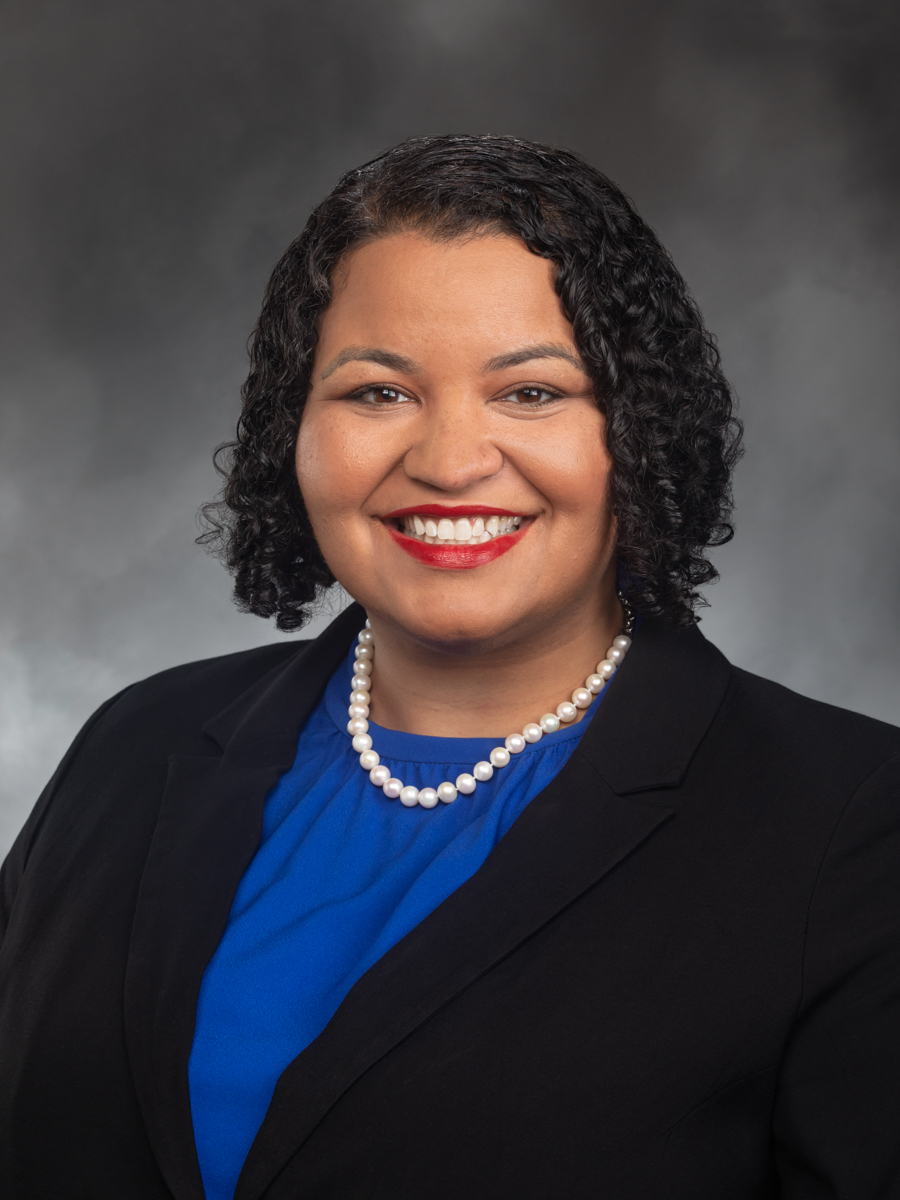
Last action · February 9, 2026: Referred to Rules 2 Review.Sponsors: Osman Salahuddin and 4 others
Track this bill to get notified when it advances a stage. One tap to stop, anytime.
What This Bill Would Do
The bill would eliminate the requirement that employees begin their regular workday between 6:00 a.m. and 9:00 a.m. in order to be counted toward major employer and worksite requirements.
Changes how employers calculate whether they meet the 100-employee threshold for programs by removing the morning start-time restriction, affecting public and private worksites across Washington state.
Who It Would Affect
Groups the bill's text would affect if enacted, as described in the record. Being affected is not a position for or against it.
Major employers
Employers with 100 or more staff will calculate commute trip reduction obligations using all full-time employees regardless of their workday start time.
Department of Transportation
The agency maintains delay thresholds and rules referencing commute trip reduction definitions.
Key Facts
You don't have to trust us. Each fact below is taken straight from the official document - click any one to see the exact passage, highlighted in the original.
Frequently Asked Questions
Does this bill change the employee threshold needed to qualify as a major employer?
What is the new definition of a commute trip under this measure?
What else do you want to know?
News Coverage
Follow the record
Votes, people, money & the original sourceWhere This Stands
Currently in committee. The next step in the legislative lifecycle is Floor Vote.
Procedural history
1 action- Feb 9, 2026Referred to Rules 2 Review.
Version history
Only one version on file - nothing to compare yet. As later stages (committee substitute, engrossed, enrolled) are captured, the redline appears here.
View official text →Lobbying Activity
No state lobbying filings in our records match this bill. Federal lobbying reports (LDA) cover Congress, so they are not listed on state bills.
Full breakdown
Who this bill affects and the strongest case for and against it, written only from the bill’s own text.
Sponsors




Connected Entities
Sources
app.leg.wa.gov
Analysis Score
0–100- Significance35How much this matters to a regular citizen
- Controversy10Intensity of disagreement among stakeholders
- Entertainment5Compellingness for a non-policy-wonk reader
- Buzz15Current news / social attention level
Publisher tools