
The civic record
Read. Follow. Verify.Wyoming establishes a legal duty to report emergencies and creates penalties for failing to assist
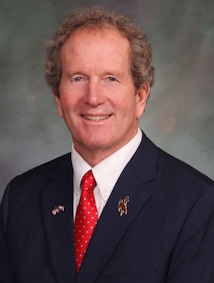
Last action · February 11, 2026: H Failed Introduction 22-39-1-0-0Sponsors: Steve Harshman and 4 others
Track this bill to get notified when it advances a stage. One tap to stop, anytime.
What This Bill Proposed
House Bill 47 establishes a legal duty for individuals in Wyoming to contact law enforcement or emergency medical services when they know or believe someone is at imminent risk of serious injury or death, provided doing so does not endanger anyone. Failing to assist is classified as a , carrying penalties ranging from up to six months in prison and a $750 fine if injury results, to up to one year in prison and a $2,000 fine if death results, effective July 1, 2026.
Residents face new criminal liability for failing to notify authorities about individuals facing imminent danger, with specific exemptions for self-incrimination or personal danger.
- House Bill 47 was introduced in the 2026 legislative session of the Wyoming House of Representatives and failed introduction. context
- Bystander intervention laws, sometimes called 'duty to rescue' or 'duty to report' laws, are relatively rare in United States criminal codes compared to European jurisdictions. context
Who It Would Have Affected
Groups the bill's text would have affected, as described in the record. Being affected is not a position for or against it.
Wyoming residents
Residents acquire a legal obligation to contact authorities when encountering individuals in imminent danger, facing potential misdemeanor charges for non-compliance.
Law enforcement agencies
Agencies may receive an increased volume of emergency reports due to the mandatory reporting requirement for bystanders.
Emergency medical care providers
Providers may experience increased calls for service as bystanders are legally required to contact them regarding individuals at risk.
Key Facts
You don't have to trust us. Each fact below is taken straight from the official document - click any one to see the exact passage, highlighted in the original.
Frequently Asked Questions
Am I required to help if doing so puts me in danger?
What are the penalties if someone dies because a bystander failed to call for help?
Are there exemptions for self-incrimination?
What else do you want to know?
News Coverage
Follow the record
Votes, people, money & the original sourceWhere This Stands
This bill did not become law - Failed in the House.
Procedural history
3 actions- Feb 11, 2026HouseH Failed Introduction 22-39-1-0-0
- Jan 22, 2026HouseH Received for Introduction
- Jan 15, 2026Bill Number Assigned
Version history
Only one version on file - nothing to compare yet. As later stages (committee substitute, engrossed, enrolled) are captured, the redline appears here.
View official text →Lobbying Activity
No state lobbying filings in our records match this bill. Federal lobbying reports (LDA) cover Congress, so they are not listed on state bills.
Full breakdown
Who this bill affects and the strongest case for and against it, written only from the bill’s own text.
Sponsors




Discoveries
Patterns POLISCOPE noticed across the record. These are observations to investigate, not conclusions.
Establishment of Affirmative Duty to Report
The bill shifts legal norms by criminalizing passive inaction during emergencies, requiring active bystander notification of authorities under specified conditions.
Sources
www.wyoleg.gov
Analysis Score
0–100- Significance20Lowered because this bill did not pass (its text scored 65)
- Controversy70Intensity of disagreement among stakeholders
- Entertainment10Compellingness for a non-policy-wonk reader
- Buzz35Current news / social attention level
Publisher tools