
NewsKPBS Public MediaAugust 28, 2026San Diego County
Federal funding expiration threatens Biogeochemical-ARGO ocean monitoring program
Photo: KPBS Public Media
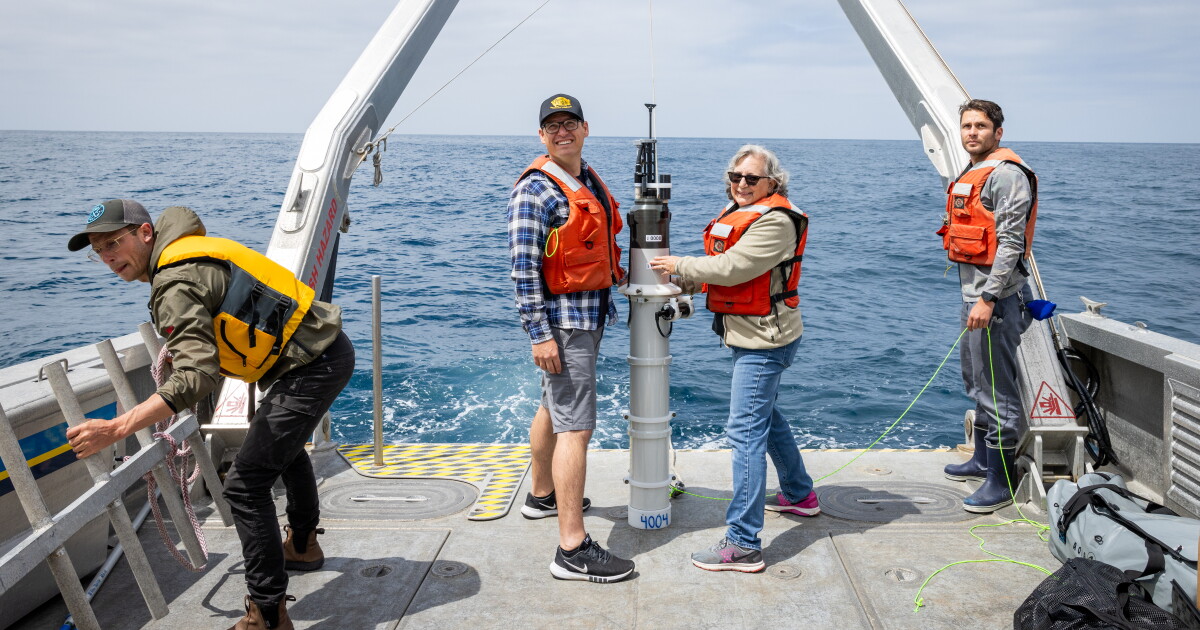
The Biogeochemical-ARGO ocean monitoring program faces termination in October 2025 due to federal budget cuts at the National Oceanic and Atmospheric Administration (NOAA). Without new funding, the network of autonomous robots used to track ocean health, carbon absorption, and extreme weather will cease operations as existing units lose power.
Read the full story at KPBS Public MediaWhy It Matters
The loss of this program will end the U.S.-led collection of deep-ocean data used by researchers, the Navy, and weather forecasters to predict climate change impacts and extreme weather events.
Key Facts
- Federal funding for the Biogeochemical-ARGO program expires in October 2025.
- The program uses autonomous robots to measure ocean health, including acidity, oxygen, and chlorophyll levels.
- NOAA confirmed it is unable to continue supporting the program due to 2025 budget cuts.
- The project previously received a $53 million grant from the National Science Foundation.
- The U.S. currently deploys approximately half of the global network of 500 BGC-ARGO floats.
- Each float can operate for up to five years, measuring depths of up to 2,000 meters.
- Data collected is used by the U.S. Navy, weather forecasters, and global research centers.
- Scripps researchers estimate the program costs taxpayers approximately 10 cents per person annually.
- The program is currently seeking alternative funding from Congress and philanthropic organizations.
Who's Mentioned
OrganizationTrump administration“Federal administration responsible for 2025 budget cuts”OrganizationNational Science Foundation“Previous funding source for the project”OrganizationNational Oceanic and Atmospheric Administration“Federal agency responsible for ocean monitoring funding”PersonSusan Wijffels“Senior scientist at Woods Hole Oceanographic Institution”PersonSarah Purkey“Oceanographer at Scripps”OrganizationScripps Institution of Oceanography“Research institution managing the Biogeochemical-ARGO program”PersonLynne Talley“Oceanographer at Scripps”PersonJennifer McWhorter“Scientist at the University of Miami”other10,000“Number of people reportedly fired at NOAA”PersonTyler Wirth“Engineer and scientist at Scripps Institution of Oceanography”