
The civic record
Read. Follow. Verify.West Virginia Bill 4909 sets anti-spoofing mandates, bans robocalls without consent, and imposes penalties…
Last action · January 29, 2026: To House JudiciarySponsors: Bryan Smith and 10 others
Track this bill to get notified when it advances a stage. One tap to stop, anytime.
What This Bill Proposed
West Virginia House Bill 4909 prohibits telephone solicitations using automated dialers or artificial voices without , bans caller ID spoofing, and mandates that telecommunications providers implement free anti-spoofing technology within twelve months. Violators face civil fines, business license revocations, restitution payments, and criminal penalties, with penalty proceeds directed to local fire and emergency medical services.
Residents gain mandatory free call-authentication protections on their phones, restrictions on when and how often marketing calls can occur, and statutory rights to civil restitution and damages from non-compliant telecommunications providers and callers.
- West Virginia House Bill 4909 was introduced during the 2026 Regular Session and referred to the House Committee on the Judiciary. context
- The West Virginia Legislature is the state's bicameral lawmaking body consisting of the House of Delegates and the Senate. context
Who It Would Have Affected
Groups the bill's text would have affected, as described in the record. Being affected is not a position for or against it.
Consumers receiving telephone solicitations
Consumers receive mandatory free caller ID authentication, restrictions on solicitation timing and frequency, protection against unauthorized automated calls, and rights to civil damages and restitution.
Telecommunications companies
Providers must implement and maintain caller ID authentication technology within twelve months at no cost to customers and face civil penalties and liability for non-compliance.
Local fire and emergency medical services
Local emergency services receive 75 percent of enhanced restitution fees collected from telecommunications providers and exclusive proceeds from civil fines levied against in-state companies and individuals.
Telephone solicitors
Solicitors face prohibitions on automated calls without written consent, limits on calling hours and frequency, business license revocations, civil fines, and criminal penalties for fraudulent spoofing.
Key Facts
You don't have to trust us. Each fact below is taken straight from the official document - click any one to see the exact passage, highlighted in the original.
Frequently Asked Questions
What technology are telephone service providers required to install under this bill?
When are telephone solicitors permitted to call residents?
Are charitable and political calls exempt from these restrictions?
What penalties do individuals face for intentionally making fraudulent spoofed calls?
What else do you want to know?
News Coverage
Follow the record
Votes, people, money & the original sourceWhere This Stands
This bill did not become law - Died at adjournment · in House committee.
Procedural history
4 actions- Jan 29, 2026HouseCommitteeTo House Judiciary
- Jan 29, 2026HouseIntroducedIntroduced in House
- Jan 29, 2026HouseCommitteeTo Judiciary
- Jan 29, 2026HouseIntroducedFiled for introduction
Version history
Only one version on file - nothing to compare yet. As later stages (committee substitute, engrossed, enrolled) are captured, the redline appears here.
View official text →Lobbying Activity
No state lobbying filings in our records match this bill. Federal lobbying reports (LDA) cover Congress, so they are not listed on state bills.
Full breakdown
Who this bill affects and the strongest case for and against it, written only from the bill’s own text.
Sponsors

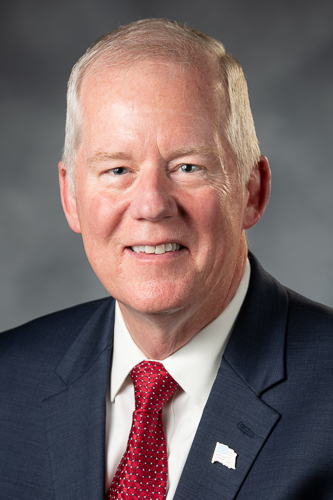

Show 6 more sponsors




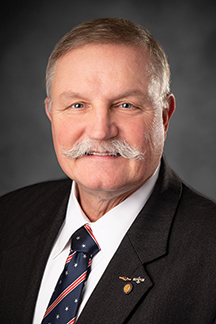

Discoveries
Patterns POLISCOPE noticed across the record. These are observations to investigate, not conclusions.
Restitution Directing to Emergency Services
Penalty proceeds and civil fines levied against violators and telecommunications providers are directed specifically to local fire and emergency medical services rather than general state revenue.
Connected Entities
Sources
www.wvlegislature.gov
Analysis Score
0–100- Significance20Lowered because this bill did not pass (its text scored 85)
- Controversy40Intensity of disagreement among stakeholders
- Entertainment10Compellingness for a non-policy-wonk reader
- Buzz50Current news / social attention level
Publisher tools