
The civic record
Read. Follow. Verify.Georgia establishes school-linked behavioral health grant program for student mental health services
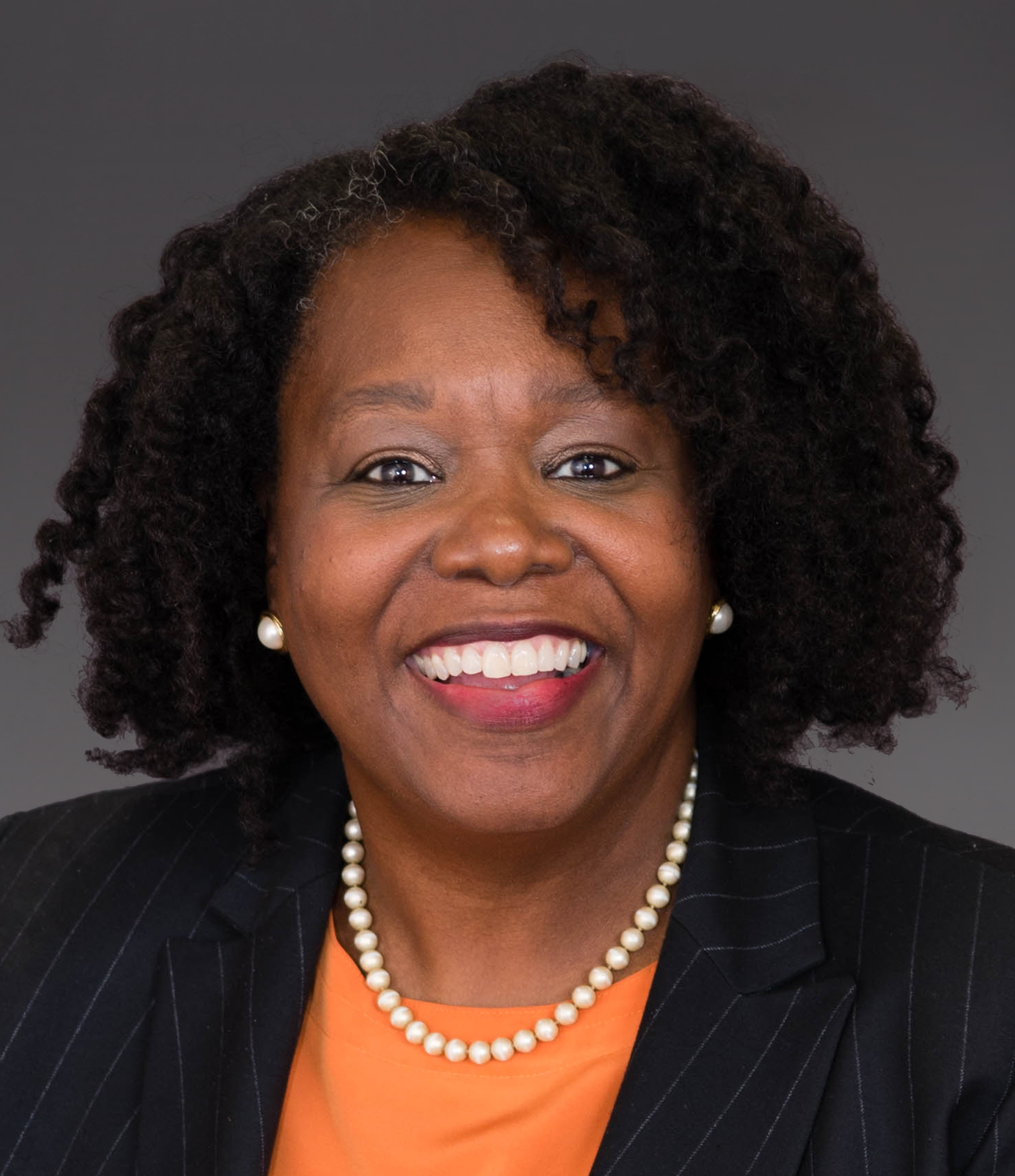
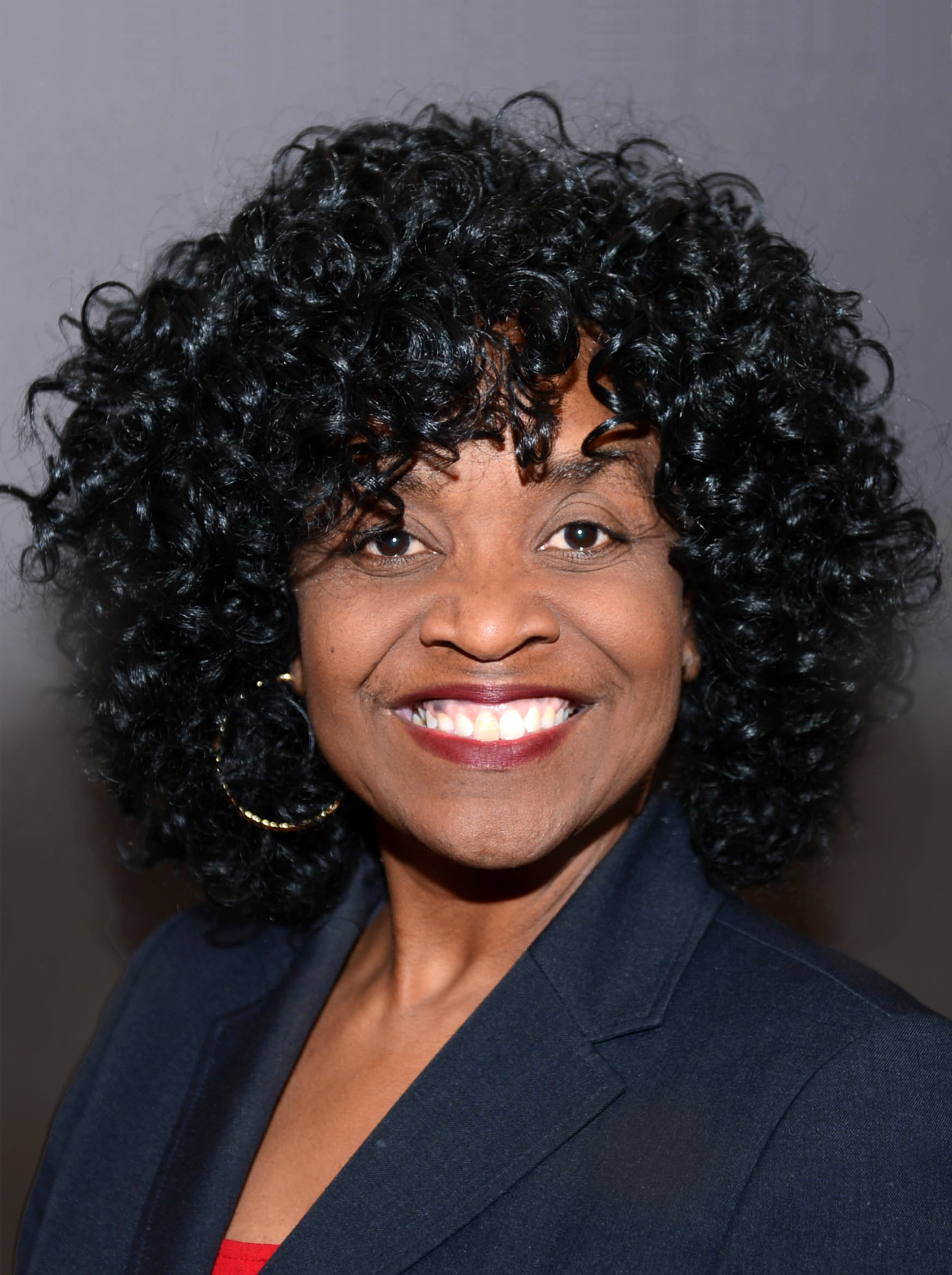
Last action · January 15, 2025: House Second ReadersSponsors: Sandra Scott and 2 others
Track this bill to get notified when it advances a stage. One tap to stop, anytime.
What This Bill Proposed
House Bill 26 establishes a school-linked behavioral health grant program managed by the Department of Behavioral Health and Developmental Disabilities to provide early identification and intervention for students with mental health or substance use needs, subject to available funding.
Eligible healthcare providers and s can receive state grant funding to deliver diagnosis, treatment, and support services—including telehealth and transportation—directly to students and families regardless of health coverage status or ability to pay.
Who It Would Have Affected
Groups the bill's text would have affected, as described in the record. Being affected is not a position for or against it.
Students and Families
Students gain access to early identification, diagnosis, treatment, and support services for mental health or substance use disorders regardless of health coverage or ability to pay.
Healthcare Providers and Community Mental Health Centers
Community service boards, community mental health centers, licensed healthcare providers, and Medicaid providers become eligible to apply for grant funding to deliver services in schools.
K-12 Schools
Schools receive support to build institutional capacity for addressing student behavioral health needs and staff development activities.
Key Facts
- Establishes the School Behavioral Mental Health Support Act.
- Directs the Department of Behavioral Health and Developmental Disabilities to create a school-linked behavioral health grant program, subject to available appropriations.
- Defines eligible applicants as community service boards, community mental health centers, licensed healthcare providers, and Medicaid providers who treat children and families.
- Allows grant funds to be used for identifying and diagnosing mental health or substance use disorders, delivering treatment (including telehealth), and helping families navigate healthcare and social services.
Show all 8 facts
- Allows grant funds to cover student transportation when school is not in session, school staff development, and equipment purchases or fees associated with telehealth.
- Requires grantees to obtain all available third-party reimbursement sources, excluding local school systems, as a condition of receiving the grant.
- Mandates that grantees serve students regardless of their health coverage status or ability to pay.
- Requires grantees to collect and submit data to the department to evaluate program effectiveness.
Frequently Asked Questions
Who is eligible to apply for the school-linked behavioral health grants?
Can students be denied services if they lack health insurance or cannot pay?
What types of activities are covered by the grant?
What else do you want to know?
News Coverage
Follow the record
Votes, people, money & the original sourceWhere This Stands
This bill did not become law - Died at adjournment · introduced in the House.
Procedural history
3 actions- Jan 15, 2025HouseHouse Second Readers
- Jan 14, 2025HouseIntroducedHouse First Readers
- Jan 13, 2025HouseIntroducedHouse Hopper
Version history
Only one version on file - nothing to compare yet. As later stages (committee substitute, engrossed, enrolled) are captured, the redline appears here.
View official text →Lobbying Activity
No state lobbying filings in our records match this bill. Federal lobbying reports (LDA) cover Congress, so they are not listed on state bills.
Full breakdown
Who this bill affects and the strongest case for and against it, written only from the bill’s own text.
Sponsors

Connected Entities
Sources
www.legis.ga.gov
Analysis Score
0–100- Significance20Lowered because this bill did not pass (its text scored 60)
- Controversy15Intensity of disagreement among stakeholders
- Entertainment5Compellingness for a non-policy-wonk reader
- Buzz30Current news / social attention level
Publisher tools