
The civic record
Read. Follow. Verify.West Virginia Bill HB 4656 Establishes New Interventions for Chronic Absenteeism and Removes Criminal Penalties for Truancy
Last action · March 11, 2026: On 2nd reading, rereferred to EducationSponsors: Joe Ellington and 9 others
Track this bill to get notified when it advances a stage. One tap to stop, anytime.
What This Bill Proposed
West Virginia House Bill 4656 redefines chronic absenteeism, ends compulsory school attendance on a student's 18th birthday, removes criminal penalties for 18-year-old students, and transitions truancy status offenses into a "" framework.
The measure shifts the state's legal response to chronic student absenteeism from criminal prosecution and traditional truancy status offenses toward coordinated school-based support services and community diversion programs, impacting school districts, county prosecutors, circuit courts, and families of students with excessive absences.
- West Virginia's compulsory school attendance laws previously mandated attendance through age 17 and relied heavily on criminal penalties and truancy status offenses to address unexcused absences. context
Who It Would Have Affected
Groups the bill's text would have affected, as described in the record. Being affected is not a position for or against it.
Students
Students face modified compulsory attendance ages, new attendance support measures, and altered legal procedures regarding chronic absenteeism instead of traditional truancy status offenses.
Parents, guardians, and custodians
Parents and guardians of students under 18 remain subject to legal notices and potential misdemeanor complaints for unexcused absences, while gaining access to coordinated support plans and diversion services.
County attendance directors
Attendance directors must manage new notification timelines, coordinate wraparound services with the Department of Human Services, and ensure the implementation of the State Board's System of Support Plan.
Circuit courts and county prosecutors
Courts and prosecutors oversee new child in need of supervision petitions, monitor prepetition diversion programs, and handle the transition and dismissal of legacy truancy status offenses.
Key Facts
You don't have to trust us. Each fact below is taken straight from the official document - click any one to see the exact passage, highlighted in the original.
Frequently Asked Questions
Can a child in need of supervision be placed in a Bureau of Juvenile Services facility?
What else do you want to know?
News Coverage
Follow the record
Votes, people, money & the original sourceWhere This Stands
This bill did not become law - Died at adjournment · passed the House · in Senate committee.
Procedural history
24 actions- Mar 11, 2026SenateOn 2nd reading, rereferred to Education
- Mar 11, 2026SenateRead 1st time
- Mar 11, 2026SenateImmediate consideration
- Mar 11, 2026SenateWithout recommendation, but first rereferred to Education then Finance
- Feb 25, 2026SenateCommitteeTo Education
- Feb 25, 2026SenateCommitteeTo Education then Finance
Show 18 earlier actions
- Feb 25, 2026SenateIntroducedIntroduced in Senate
- Feb 24, 2026HouseCommunicated to Senate
- Feb 24, 2026HouseFloorPassed House (Roll No. 171)
- Feb 24, 2026HouseRead 3rd time
- Feb 24, 2026HouseOn 3rd reading, Special Calendar
- Feb 23, 2026HouseRead 2nd time
- Feb 23, 2026HouseOn 2nd reading, Special Calendar
- Feb 20, 2026HouseRead 1st time
- Feb 20, 2026HouseOn 1st reading, Special Calendar
- Feb 19, 2026HouseBy substitute, do pass
- Feb 17, 2026HouseMarkup Discussion
- Jan 28, 2026HouseCommitteeTo House Judiciary
- Jan 28, 2026HouseDo pass, but first to Judiciary
- Jan 23, 2026HouseMarkup Discussion
- Jan 21, 2026HouseCommitteeTo House Education
- Jan 21, 2026HouseIntroducedIntroduced in House
- Jan 21, 2026HouseCommitteeTo Education then Judiciary
- Jan 21, 2026HouseIntroducedFiled for introduction
Version history
Only one version on file - nothing to compare yet. As later stages (committee substitute, engrossed, enrolled) are captured, the redline appears here.
View official text →Lobbying Activity
No state lobbying filings in our records match this bill. Federal lobbying reports (LDA) cover Congress, so they are not listed on state bills.
Full breakdown
Who this bill affects and the strongest case for and against it, written only from the bill’s own text.
Sponsors



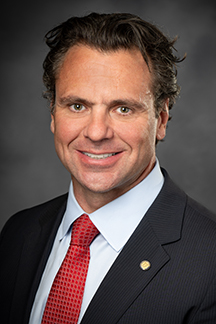

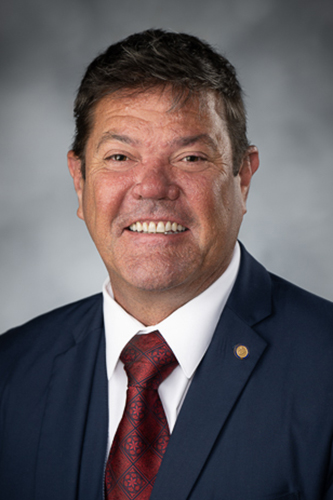
Show 5 more sponsors



Discoveries
Patterns POLISCOPE noticed across the record. These are observations to investigate, not conclusions.
Decriminalization of Truancy and Transition to Support Services
The legislation marks a definitive policy shift by removing criminal penalties for 18-year-olds and replacing traditional truancy status offenses with civil child in need of supervision protections and mandatory diversion programs.
Connected Entities
Sources
www.wvlegislature.gov
Analysis Score
0–100- Significance20Lowered because this bill did not pass (its text scored 85)
- Controversy40Intensity of disagreement among stakeholders
- Entertainment5Compellingness for a non-policy-wonk reader
- Buzz30Current news / social attention level
Publisher tools