
The civic record
Read. Follow. Verify.Michigan House Bill 4314 exempts shoreline debris and vegetation removal from state permits
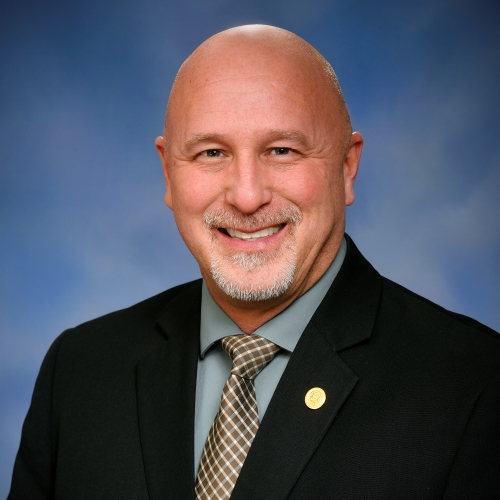
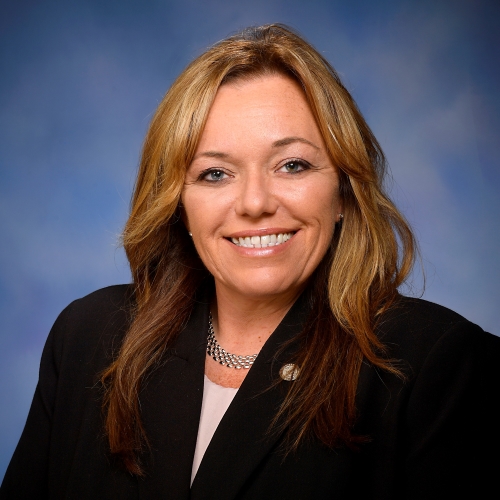
Last action · December 16, 2025: REFERRED TO COMMITTEE ON ENERGY AND ENVIRONMENTSponsors: Alicia St. Germaine and 26 others
Track this bill to get notified when it advances a stage. One tap to stop, anytime.
What This Bill Would Do
Michigan House Bill 4314 allows property owners to remove free-floating or washed-up surface debris and vegetation between the and the water's edge without needing a state permit or being subject to certain wetland and bottomland regulations.
Who It Would Affect
Groups the bill's text would affect if enacted, as described in the record. Being affected is not a position for or against it.
Waterfront property owners
Property owners along the Great Lakes and Lake St. Clair can remove washed-up debris and vegetation between the high-water mark and the water's edge without needing a state permit.
Residents of Clay township
Properties located within the St. Clair flats delta in Clay township are explicitly excluded from the new permit exemptions and remain subject to existing regulations.
Key Facts
- House Bill 4314 amends section 32512 of the Natural Resources and Environmental Protection Act of 1994.
- The bill exempts the mechanical or manual removal of free-floating or washed-up debris and vegetation between the ordinary high-water mark and the water's edge from state permit requirements.
- The legislation specifies that using a device or machine to remove free-floating debris without impacting the lakebed is not legally classified as dredging.
- The new exemptions do not apply to lands located within the survey of the delta of the St. Clair River (St. Clair flats) in Clay township, St. Clair county.
Frequently Asked Questions
Do I need a state permit to clean up washed-up seaweed and debris on my Great Lakes beach?
Does this bill apply everywhere in Michigan?
What else do you want to know?
News Coverage
Follow the record
Votes, people, money & the original sourceWhere This Stands
Currently passed both. The next step in the legislative lifecycle is Law.
Procedural history
13 actions- Dec 16, 2025SenateCommitteeREFERRED TO COMMITTEE ON ENERGY AND ENVIRONMENT
- Dec 16, 2025SenateFloorPASSED BY HOUSE WITH IMMEDIATE EFFECT
- Dec 10, 2025Housetransmitted
- Dec 10, 2025HouseFloorpassed; given immediate effect Roll Call #320 Yeas 87 Nays 11 Excused 0 Not Voting 12
- Dec 10, 2025HouseFloorread a third time
- Dec 9, 2025Houseplaced on third reading
Show 7 earlier actions
- Dec 9, 2025HouseFloorread a second time
- Nov 12, 2025Housereferred to second reading
- Nov 12, 2025HouseCommitteereported with recommendation without amendment
- Apr 17, 2025Housebill electronically reproduced 04/16/2025
- Apr 16, 2025HouseCommitteereferred to Committee on Natural Resources and Tourism
- Apr 16, 2025HouseIntroducedread a first time
- Apr 16, 2025HouseIntroducedintroduced by Representative Rep. Alicia St. Germaine
Version history
Only one version on file - nothing to compare yet. As later stages (committee substitute, engrossed, enrolled) are captured, the redline appears here.
View official text →Lobbying Activity
No state lobbying filings in our records match this bill. Federal lobbying reports (LDA) cover Congress, so they are not listed on state bills.
Full breakdown
Who this bill affects and the strongest case for and against it, written only from the bill’s own text.
Sponsors


Show 22 more sponsors








Connected Entities
Sources
legislature.mi.gov
Analysis Score
0–100- Significance45How much this matters to a regular citizen
- Controversy25Intensity of disagreement among stakeholders
- Entertainment5Compellingness for a non-policy-wonk reader
- Buzz20Current news / social attention level
Publisher tools