
The civic record
Read. Follow. Verify.Louisiana expands bank protections against elderly financial exploitation and sets employee training rules
Last action · June 1, 2026: Effective date: 08/01/2026.Sponsors: Kim Carver and 12 others
Track this bill to get notified when it advances a stage. One tap to stop, anytime.
What This Bill Does
Louisiana enacts new rules allowing banks to notify s and delay suspicious transactions for up to 60 business days while mandating staff training on elder fraud beginning January 1, 2027.
Banks gain explicit legal authority to halt transactions and contact designated third parties when elder financial exploitation is suspected, extending transaction hold times from 15 to up to 60 business days upon agency request.
Who It Affects
Groups the bill's text affects, as described in the record. Being affected is not a position for or against it.
Eligible adults
Eligible adults may have their financial transactions delayed and their trusted contacts notified by financial institutions if exploitation is suspected.
Covered financial institutions
Financial institutions must implement employee training programs by January 1, 2027, and are granted extended time windows to hold suspicious transactions.
Trusted contacts
Individuals designated by eligible adults may be contacted by financial institutions if exploitation is suspected or attempted.
Key Facts
- Expands the legal definition of financial exploitation to include scams, deceptive schemes, extortion, and impersonation of government officials causing money transfers to strangers.
- Includes the use of fraud, false pretenses, or misrepresentation for personal gain at the expense of an eligible adult as financial exploitation.
- Defines a 'trusted contact' as a person age 18 or older authorized by an eligible adult whom banks can contact regarding suspected exploitation.
- Requires covered financial institutions to provide employee training on recognizing and responding to elder exploitation signs beginning January 1, 2027.
Show all 7 facts
- Extends the standard expiration period for a delayed financial transaction from 15 business days to 45 business days.
- Allows covered agencies to request an extension of a transaction delay, pushing the maximum total hold time from 25 business days to 60 business days.
- Clarifies that nothing in the statute limits a financial institution's independent contractual rights to delay transactions.
Frequently Asked Questions
What new actions are considered financial exploitation under this law?
How long can a bank hold a suspicious financial transaction?
Who can a bank contact if they suspect an older adult is being scammed?
What else do you want to know?
News Coverage
Follow the record
Votes, people, money & the original sourceWhere This Stands
Current status: Signed into law.
Procedural history
22 actions- Jun 1, 2026HouseEnrolledSigned by the Governor. Becomes Act No. 654.
- Jun 1, 2026HouseEffective date: 08/01/2026.
- May 29, 2026HouseSent to the Governor for executive approval.
- May 28, 2026HouseEnrolledEnrolled and signed by the Speaker of the House.
- May 28, 2026SenateEnrolledSigned by the President of the Senate.
- May 27, 2026HouseIntroducedRead by title, roll called, yeas 97, nays 0, Senate amendments concurred in.
Show 16 earlier actions
- May 26, 2026HouseScheduled for concurrence on 05/27/2026.
- May 25, 2026HouseReceived from the Senate with amendments.
- May 21, 2026SenateFloorRules suspended. The amended bill was read by title, passed by a vote of 35 yeas and 0 nays, and ordered returned to the House. Motion to reconsider tabled.
- May 18, 2026SenateFloorReported without Legislative Bureau amendments. Read by title and passed to third reading and final passage.
- May 14, 2026SenateFloorCommittee amendments read and adopted. Read by title and referred to the Legislative Bureau.
- May 13, 2026SenateReported with amendments.
- Mar 25, 2026SenateCommitteeRead second time by title and referred to the Committee on Commerce, Consumer Protection and International Affairs.
- Mar 24, 2026HouseFloorRead third time by title, roll called on final passage, yeas 98, nays 0. Finally passed, title adopted, ordered to the Senate.
- Mar 24, 2026SenateReceived in the Senate. Rules suspended. Read first time by title and placed on the Calendar for a second reading.
- Mar 23, 2026HouseScheduled for floor debate on 03/24/2026.
- Mar 18, 2026HouseFloorRead by title, amended, ordered engrossed, passed to 3rd reading.
- Mar 17, 2026HouseReported with amendments (14-0).
- Mar 9, 2026HouseIntroducedRead by title, under the rules, referred to the Committee on Commerce.
- Feb 27, 2026HouseFirst appeared in the Interim Calendar on 2/27/2026.
- Feb 26, 2026HousePrefiled.
- Feb 26, 2026HouseCommitteeUnder the rules, provisionally referred to the Committee on Commerce.
Version history
Only one version on file - nothing to compare yet. As later stages (committee substitute, engrossed, enrolled) are captured, the redline appears here.
View official text →Lobbying Activity
No state lobbying filings in our records match this bill. Federal lobbying reports (LDA) cover Congress, so they are not listed on state bills.
Full breakdown
Who this bill affects and the strongest case for and against it, written only from the bill’s own text.
Sponsors



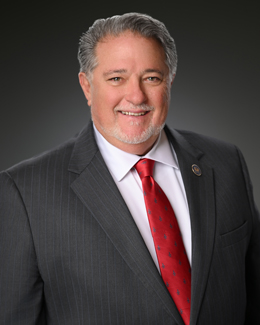

Show 8 more sponsors




Discoveries
Patterns POLISCOPE noticed across the record. These are observations to investigate, not conclusions.
Extension of Financial Hold Limits
The state significantly extended the window during which financial institutions can legally freeze suspicious transactions from 15 to 45 days normal, and up to 60 days with agency involvement.
Connected Entities
Sources
www.legis.la.gov
Analysis Score
0–100- Significance75How much this matters to a regular citizen
- Controversy10Intensity of disagreement among stakeholders
- Entertainment5Compellingness for a non-policy-wonk reader
- Buzz25Current news / social attention level
Publisher tools