
NewsSFGate Bay Area NewsOctober 29, 2026San Francisco County
Toxic Algae Outbreak Poisons Over 300 Marine Mammals in California
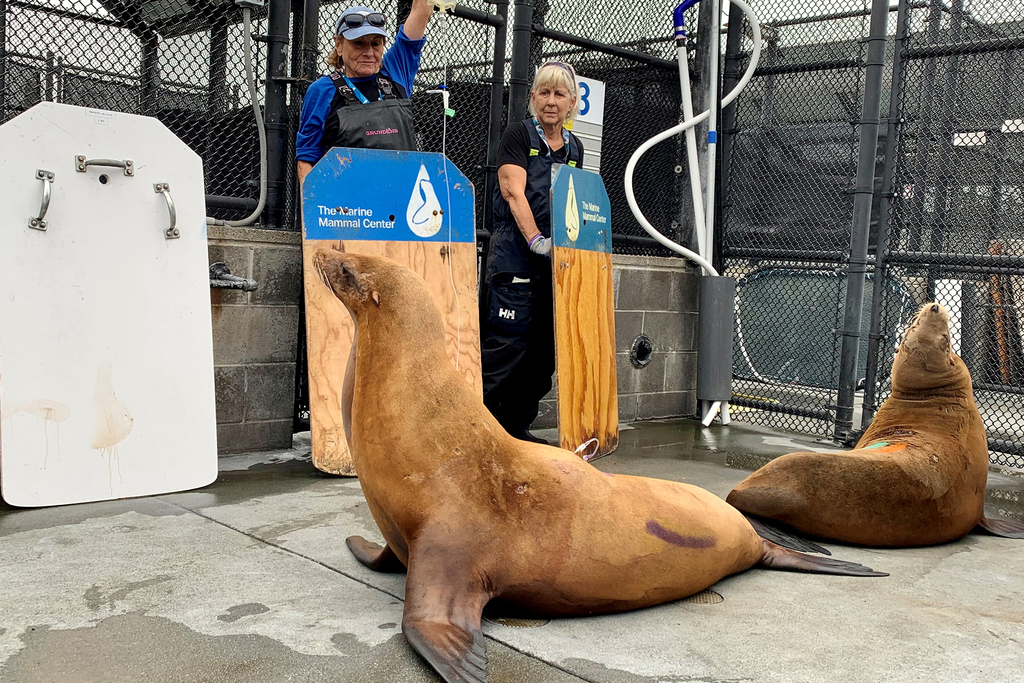
Photo: SFGate Bay Area News
The Marine Mammal Center reported documenting over 300 cases of domoic acid poisoning in marine mammals this year across its 600-mile California coverage area, far exceeding its typical 75 to 90 cases annually. The surge stems from toxic algal blooms ingested by smaller marine life and subsequently consumed by predators like sea lions, leading to severe neurological and cardiac symptoms.
Read the full story at SFGate Bay Area NewsWhy It Matters
The outbreak has quadrupled normal hotline call volumes and volunteer responses across Monterey, Santa Cruz, and San Mateo counties, mirroring similar toxin discoveries in local seafood that prompted public health warnings.
Key Facts
- The Marine Mammal Center documented more than 300 cases of domoic acid poisoning in marine mammals this year.
- The organization typically sees 75 to 90 cases of the poisoning per year across its 600-mile California coastline coverage.
- Response hotlines received more than 600 calls on the busiest days during the outbreak, nearly four times normal volume.
- Smaller marine animals like anchovies and shellfish ingest Pseudo-nitzschia australis toxic algae, which accumulates and poisons predators like sea lions.
- Domoic acid poisoning can cause tremors, seizures, and heart failure in affected animals.
- Monterey, Santa Cruz, and San Mateo counties experienced the greatest increases in volunteer responses to calls about sick animals.
- In June, the California Department of Fish and Wildlife found acid in northern anchovies and Pacific sardines in Monterey Bay, warning the public not to eat infected fish.
Who's Mentioned
locationSan Mateo“County seeing an increase in volunteer responses”OrganizationCalifornia Department of Fish and Wildlife“State agency that reported acid found in fish species in June”locationMonterey“County seeing an increase in volunteer responses”OrganizationThe Marine Mammal Center“Ocean conservation and animal rescue organization based in Sausalito”locationCalifornia“Coastline coverage area for the rescue center”locationSausalito“Location of the Marine Mammal Center”locationSanta Cruz“County seeing an increase in volunteer responses”otherPseudo-nitzschia australis“Toxic algal bloom causing domoic acid”locationMonterey Bay“Location where acid was found in anchovies and sardines”