
The civic record
Read. Follow. Verify.Pennsylvania Bill Makes Enacting Local Policies That Conflict With State Law a First-Degree Misdemeanor
Last action · January 27, 2025: Referred to JUDICIARY, Jan. 27, 2025Sponsors: Tim Bonner and 5 others
Track this bill to get notified when it advances a stage. One tap to stop, anytime.
What This Bill Would Do
Pennsylvania House Bill 351 makes it a first-degree misdemeanor for municipal elected officials or public employees to vote for or direct policies that decriminalize state-prohibited activities, alter state penalties, or instruct s not to enforce state laws.
Local officials and municipal employees face first-degree misdemeanor criminal charges and existing local ordinances conflicting with state statutes are declared null and void 60 days after enactment.
- House Bill 351 was introduced in the Pennsylvania House of Representatives on January 27, 2025, and referred to the House Judiciary Committee. context
Who It Would Affect
Groups the bill's text would affect if enacted, as described in the record. Being affected is not a position for or against it.
elected official of a municipality
Municipal elected officials face first-degree misdemeanor charges for voting on or approving policies that conflict with state laws.
public employee of a municipality
Municipal public employees face first-degree misdemeanor charges if they direct peace officers under their command not to enforce state laws.
peace officer
Peace officers are explicitly exempted from the criminal provisions of the section.
Key Facts
You don't have to trust us. Each fact below is taken straight from the official document - click any one to see the exact passage, highlighted in the original.
Frequently Asked Questions
Who can be charged with a misdemeanor under this bill?
Are local police officers or district attorneys subject to these penalties?
What happens to existing local policies that conflict with state laws?
What else do you want to know?
News Coverage
Follow the record
Votes, people, money & the original sourceWhere This Stands
Currently in committee. The next step in the legislative lifecycle is Floor Vote.
Procedural history
1 action- Jan 27, 2025HouseCommitteeReferred to JUDICIARY, Jan. 27, 2025
Version history
Only one version on file - nothing to compare yet. As later stages (committee substitute, engrossed, enrolled) are captured, the redline appears here.
View official text →Lobbying Activity
No state lobbying filings in our records match this bill. Federal lobbying reports (LDA) cover Congress, so they are not listed on state bills.
Full breakdown
Who this bill affects and the strongest case for and against it, written only from the bill’s own text.
Sponsors


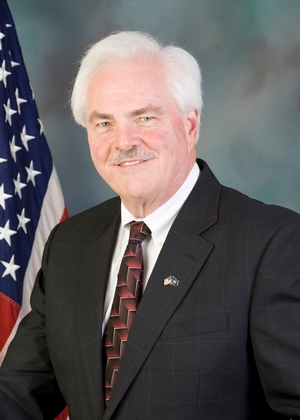


Show 1 more sponsor

Discoveries
Patterns POLISCOPE noticed across the record. These are observations to investigate, not conclusions.
Criminalization of Local Non-Enforcement Policies
The bill shifts enforcement dynamics by criminalizing local legislative and administrative actions that seek to bypass or soften state criminal statutes.
Connected Entities
Sources
www.palegis.us
Analysis Score
0–100- Significance80How much this matters to a regular citizen
- Controversy85Intensity of disagreement among stakeholders
- Entertainment10Compellingness for a non-policy-wonk reader
- Buzz40Current news / social attention level
Publisher tools