
The civic record
Read. Follow. Verify.Oklahoma House Bill 1222 establishes mandatory bail requirements for certain DUI, domestic abuse, and drug…
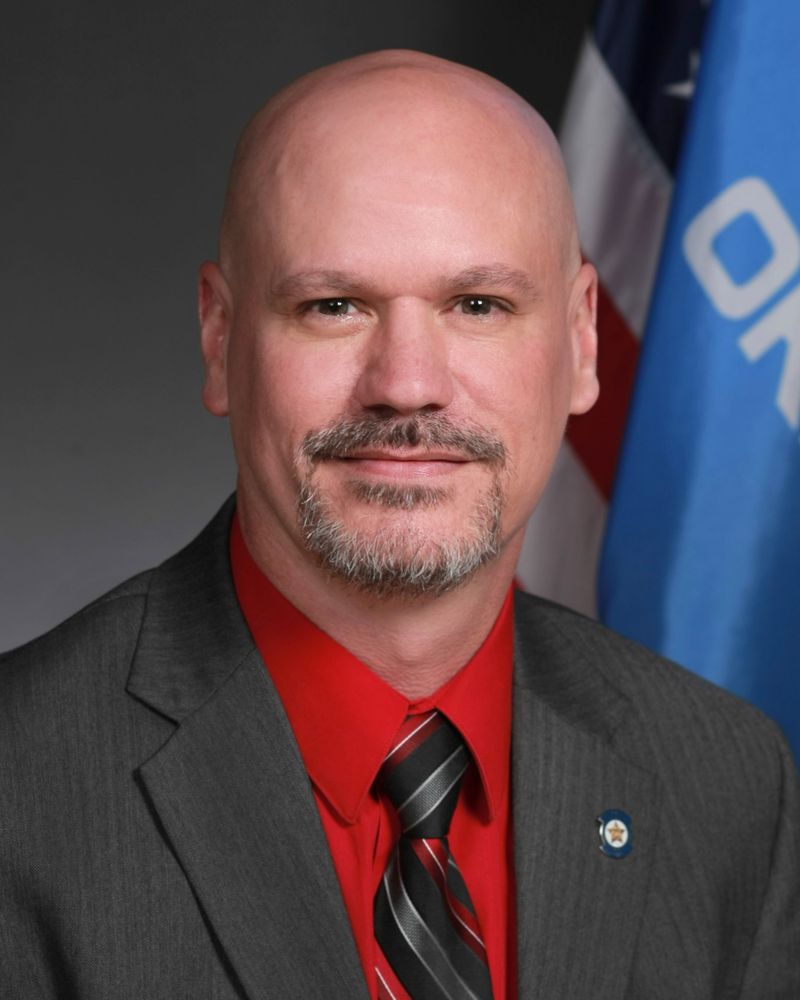
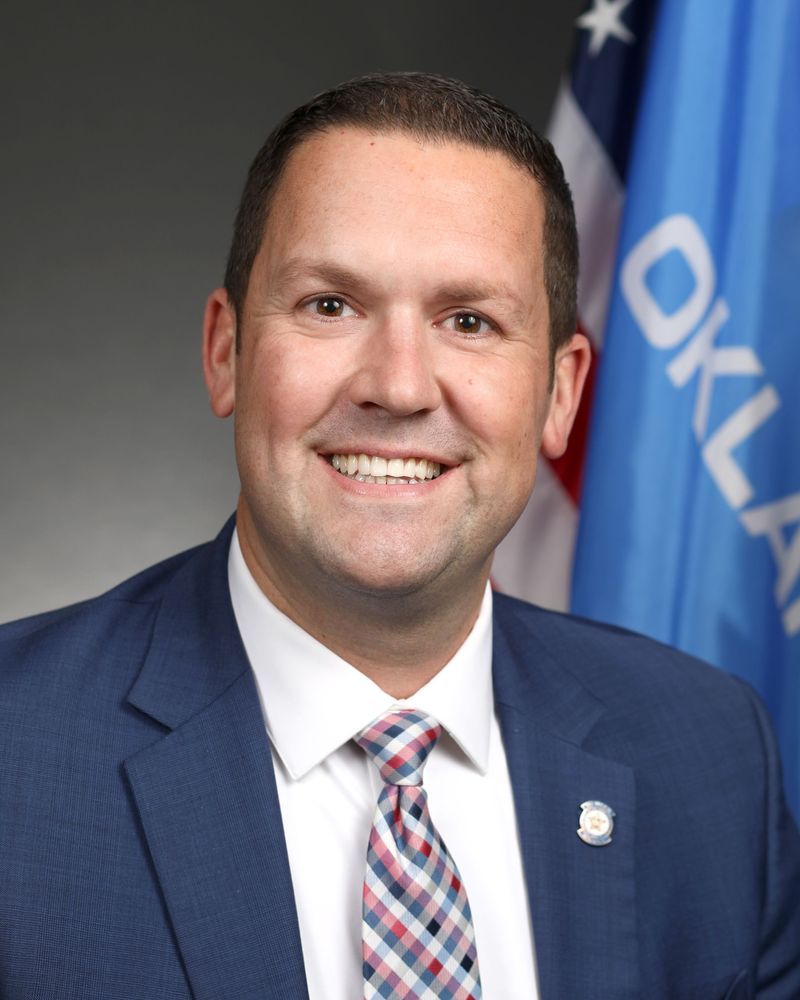
Last action · May 13, 2025: Becomes law without Governor's signature 05/13/2025Sponsors: Kevin West and 1 other
Track this bill to get notified when it advances a stage. One tap to stop, anytime.
What This Bill Does
House Bill 1222 prohibits police officers or sheriffs from releasing certain arrested individuals—including those held for domestic abuse, methamphetamine manufacturing, or repeat driving under the influence (DUI) offenses—without them first appearing before a magistrate or judge to secure bail. The legislation also modifies chemical testing procedures and expands the list of authorized statements for blood withdrawals in driving-under-the-influence cases, taking effect November 1, 2025.
Changes pre-trial release procedures and bond conditions for individuals arrested for repeat driving under the influence, domestic abuse, or controlled substance manufacturing, requiring judicial review before release and altering evidence rules for chemical testing.
- Oklahoma law regulates driving under the influence through tiered penalties depending on prior convictions, blood alcohol concentration levels, and aggravating factors such as child endangerment. context
- Pre-trial release conditions and bail determinations for violent or substance-related offenses are governed by Oklahoma statutes to ensure public safety and court appearance. context
Who It Affects
Groups the bill's text affects, as described in the record. Being affected is not a position for or against it.
Individuals arrested for driving under the influence
Must appear before a magistrate for bail on second or subsequent offenses, face mandatory substance abuse evaluations, and incur doubled fines if minors are present in the vehicle.
Law enforcement officers and sheriffs
Restricted from releasing certain arrested individuals—such as repeat DUI or domestic abuse suspects—without a formal court appearance and bail determination.
Courts and judges
Required to evaluate specific statutory risk factors, issue written findings on bail amounts for DUI cases, and order substance abuse assessments and treatment.
Key Facts
You don't have to trust us. Each fact below is taken straight from the official document - click any one to see the exact passage, highlighted in the original.
Frequently Asked Questions
Can a person arrested for a second DUI be released by a police officer without seeing a judge?
What happens to the fine if a child is in the vehicle during a DUI offense?
Who pays for the mandatory alcohol and drug substance abuse evaluation?
What else do you want to know?
News Coverage
Follow the record
Votes, people, money & the original sourceWhere This Stands
Current status: Became law without the governor's signature.
Procedural history
26 actions- May 13, 2025HouseBecomes law without Governor's signature 05/13/2025
- May 6, 2025HouseSent to Governor
- May 6, 2025SenateEnrolled measure signed, returned to House
- May 6, 2025HouseEnrolled, signed, to Senate
- May 5, 2025HouseCommitteeReferred for enrollment
- May 5, 2025SenateEngrossed measure signed, returned to House
Show 20 earlier actions
- May 5, 2025SenateFloorMeasure passed: Ayes: 37 Nays: 4
- May 5, 2025SenateGeneral Order, Considered
- Apr 17, 2025SenatePlaced on General Order
- Apr 15, 2025SenateFloorReported Do Pass Public Safety committee; CR filed
- Apr 1, 2025SenateCommitteeSecond Reading referred to Public Safety
- Mar 17, 2025SenateIntroducedFirst Reading
- Mar 17, 2025HouseEngrossed, signed, to Senate
- Mar 13, 2025HouseCommitteeReferred for engrossment
- Mar 13, 2025HouseFloorThird Reading, Measure passed: Ayes: 76 Nays: 12
- Mar 13, 2025HouseCoauthored by Representative(s) Moore
- Mar 13, 2025HouseGeneral Order
- Mar 4, 2025HouseAuthored by Senator Weaver (principal Senate author)
- Mar 4, 2025HouseFloorCR; Do Pass Judiciary and Public Safety Oversight Committee
- Feb 11, 2025HouseCoauthored by Representative(s) West (Kevin)
- Feb 11, 2025HouseFloorPolicy recommendation to the Judiciary and Public Safety Oversight committee; Do Pass Criminal Judiciary
- Feb 4, 2025HouseCommitteeReferred to Criminal Judiciary
- Feb 4, 2025HouseCommitteeSecond Reading referred to Judiciary and Public Safety Oversight
- Feb 3, 2025HouseRemove Representative West (Kevin) as principal House author and substitute with Representative Gise
- Feb 3, 2025HouseAuthored by Representative West (Kevin)
- Feb 3, 2025HouseIntroducedFirst Reading
Version history
Only one version on file - nothing to compare yet. As later stages (committee substitute, engrossed, enrolled) are captured, the redline appears here.
View official text →Lobbying Activity
No state lobbying filings in our records match this bill. Federal lobbying reports (LDA) cover Congress, so they are not listed on state bills.
Full breakdown
Who this bill affects and the strongest case for and against it, written only from the bill’s own text.
Sponsors
Discoveries
Patterns POLISCOPE noticed across the record. These are observations to investigate, not conclusions.
Tightened Pre-Trial Release for Repeat Offenders
The bill systematically removes officer discretion to release suspects accused of repeat DUI, domestic violence, and controlled substance manufacturing without a formal judicial hearing.
Connected Entities
Sources
www.oklegislature.gov
Analysis Score
0–100- Significance75How much this matters to a regular citizen
- Controversy40Intensity of disagreement among stakeholders
- Entertainment10Compellingness for a non-policy-wonk reader
- Buzz25Current news / social attention level
Publisher tools