
The civic record
Read. Follow. Verify.Oklahoma House Bill 1427 Updates Clean-Burning Motor Vehicle Fuel Property Tax Credits and Effective Dates
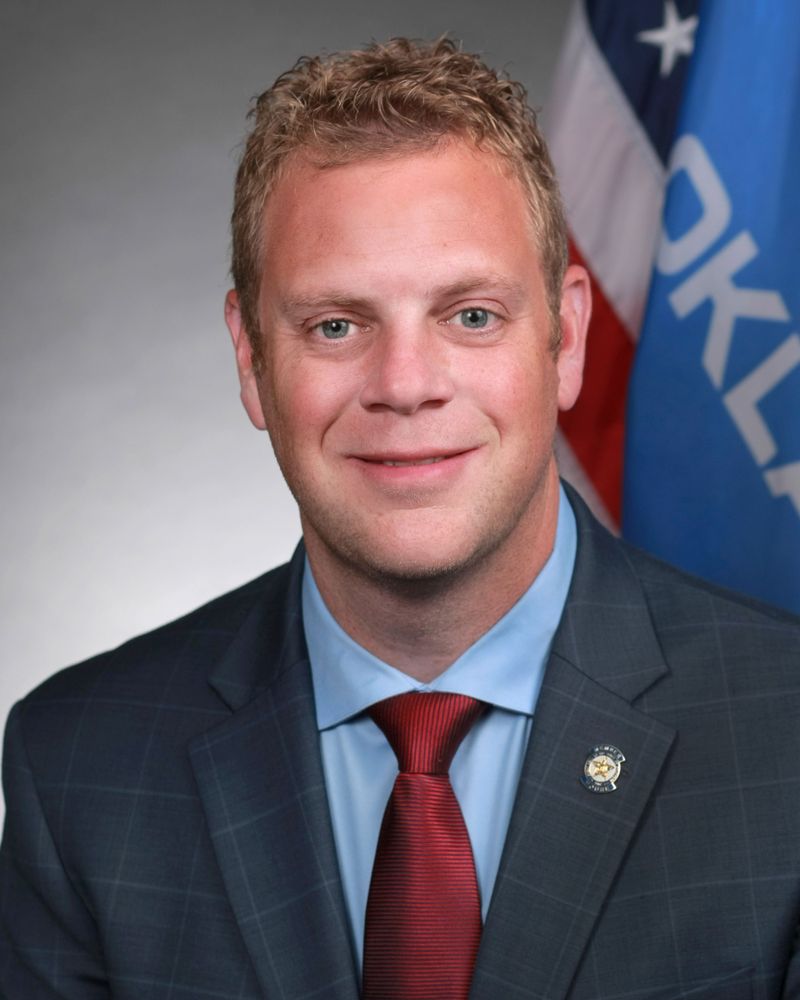
Last action · March 23, 2026: Becomes law without Governor's signature 03/22/2026Sponsor: Brad Boles
Track this bill to get notified when it advances a stage. One tap to stop, anytime.
What This Bill Does
House Bill 1427 amends existing statutes relating to tax credits for investments in and hydrogen fuel cells, expanding the forms of taxation for which a credit is allowed and updating statutory language and references with an effective date of November 1, 2026.
Taxpayers investing in qualified alternative fuel property or hydrogen fuel cell systems gain updated parameters for claiming income tax offsets through tax years up to 2028, affecting tax liabilities and state fund calculations administered by the Oklahoma Tax Commission.
Who It Affects
Groups the bill's text affects, as described in the record. Being affected is not a position for or against it.
Taxpayers investing in qualified clean-burning motor vehicle fuel property
Taxpayers are eligible to claim a one-time income tax credit subject to specific vehicle weight limits and annual statutory caps.
Oklahoma Tax Commission
The Commission is empowered to promulgate rules, calculate annual percentage adjustments, enforce penalties, and transfer revenue amounts.
Key Facts
You don't have to trust us. Each fact below is taken straight from the official document - click any one to see the exact passage, highlighted in the original.
Frequently Asked Questions
What is the maximum tax credit available for a qualified clean-burning vehicle weighing 6,000 pounds or less?
How long can unused tax credits be carried forward?
What is the effective date of House Bill 1427?
What else do you want to know?
News Coverage
Follow the record
Votes, people, money & the original sourceWhere This Stands
Current status: Became law without the governor's signature.
Procedural history
42 actions- Mar 23, 2026HouseBecomes law without Governor's signature 03/22/2026
- Mar 16, 2026HouseSent to Governor
- Mar 16, 2026SenateEnrolled measure signed, returned to House
- Mar 16, 2026HouseEnrolled, signed, to Senate
- Mar 12, 2026HouseCommitteeReferred for enrollment
- Mar 12, 2026HouseFloorFourth Reading, Measure passed: Ayes: 57 Nays: 20
Show 36 earlier actions
- Mar 12, 2026HouseFloorSA's read, adopted
- Mar 11, 2026HouseSA's received
- Mar 11, 2026SenateEngrossed to House
- Mar 10, 2026SenateCommitteeReferred for engrossment
- Mar 10, 2026SenateFloorMeasure passed: Ayes: 45 Nays: 0
- Mar 10, 2026SenateGeneral Order, Amended by Floor Substitute
- Mar 10, 2026SenateBacked up to General Order
- Feb 24, 2026SenateRemove as author Senator Rader; authored by Senator Paxton
- May 8, 2025SenateRemains on Third Reading
- May 8, 2025SenateFloorMotion to reconsider vote adopted: Ayes: 27 Nays: 15
- May 7, 2025SenateNotice served to reconsider vote on measure Rader
- May 7, 2025SenateMeasure failed: Ayes: 17 Nays: 25
- May 7, 2025SenateEnacting clause restored
- May 7, 2025SenateTitle restored
- May 7, 2025SenateGeneral Order, Amended
- Apr 28, 2025SenatePlaced on General Order
- Apr 23, 2025SenateFloorReported Do Pass Appropriations committee; CR filed
- Apr 17, 2025SenateCommitteeReferred to Appropriations
- Apr 17, 2025SenateEnacting clause stricken
- Apr 17, 2025SenateFloorReported Do Pass as amended Energy committee; CR filed
- Apr 1, 2025SenateCommitteeSecond Reading referred to Energy Committee then to Appropriations Committee
- Mar 25, 2025SenateIntroducedFirst Reading
- Mar 25, 2025HouseEngrossed, signed, to Senate
- Mar 24, 2025HouseCommitteeReferred for engrossment
- Mar 24, 2025HouseFloorThird Reading, Measure passed and Emergency failed: Ayes: 65 Nays: 25; Ayes: 65 Nays: 25
- Mar 24, 2025HouseGeneral Order
- Mar 6, 2025HouseTitle stricken
- Mar 6, 2025HouseAuthored by Senator Rader (principal Senate author)
- Mar 6, 2025HouseCoauthored by Representative(s) Boles
- Mar 6, 2025HouseFloorCR; Do Pass, amended by committee substitute Appropriations and Budget Committee
- Feb 24, 2025HouseFloorRecommendation to the full committee; Do Pass, amended by committee substitute Appropriations and Budget Finance Subcommittee
- Feb 4, 2025HouseCommitteeReferred to Appropriations and Budget Finance Subcommittee
- Feb 4, 2025HouseCommitteeSecond Reading referred to Appropriations and Budget
- Feb 3, 2025HouseRemove Representative Boles as principal House author and substitute with Representative Wilk
- Feb 3, 2025HouseAuthored by Representative Boles
- Feb 3, 2025HouseIntroducedFirst Reading
Version history
Only one version on file - nothing to compare yet. As later stages (committee substitute, engrossed, enrolled) are captured, the redline appears here.
View official text →Lobbying Activity
No state lobbying filings in our records match this bill. Federal lobbying reports (LDA) cover Congress, so they are not listed on state bills.
Full breakdown
Who this bill affects and the strongest case for and against it, written only from the bill’s own text.
Sponsors
Discoveries
Patterns POLISCOPE noticed across the record. These are observations to investigate, not conclusions.
Extended Clean-Burning Fuel Tax Credits
The legislation maintains and structures tax credits for clean-burning motor vehicle fuel property and hydrogen fuel cells through tax year 2028 with strict annual limits.
Connected Entities
Sources
www.oklegislature.gov
Analysis Score
0–100- Significance65How much this matters to a regular citizen
- Controversy20Intensity of disagreement among stakeholders
- Entertainment5Compellingness for a non-policy-wonk reader
- Buzz25Current news / social attention level
Publisher tools