
The civic record
Read. Follow. Verify.Louisiana imposes harsher criminal penalties, fines, and mandatory school warnings for making threats against schools
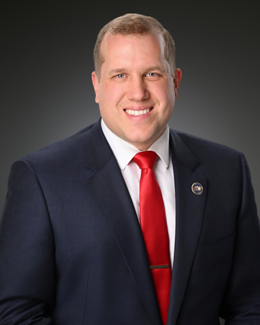
Last action · June 2, 2026: Effective date: 08/01/2026.Sponsors: Mike Johnson and 1 other
Track this bill to get notified when it advances a stage. One tap to stop, anytime.
What This Bill Does
Louisiana establishes strict criminal penalties, including up to 15 years at for terrorizing school property and mandatory civil fines for parents of juveniles adjudicated for school threats. Public schools must disseminate threat-related information to students in grades six and above, and charter schools must comply with these dissemination requirements.
Parents face civil fines ranging from up to $5,000 for a first offense to $10,000 for subsequent offenses, alongside mandatory emergency response cost reimbursements when their children make school threats. Public school students in grade six and above must receive annual information regarding the legal consequences of school terrorizing.
- State legislatures frequently update criminal penalties and mandatory safety protocols to address rising concerns regarding school threats and campus security. context
- Louisiana law governs crimes of terrorizing, menacing, and false bomb threats under specific criminal statutes alongside juvenile disposition codes. context
Who It Affects
Groups the bill's text affects, as described in the record. Being affected is not a position for or against it.
Public school students in grades six and above
Students must receive annual informational notices regarding the penalties for school threats and terrorizing.
Parents and legal guardians
Parents must sign and return receipt forms for school threat information and are subject to civil fines and response cost reimbursements if their minor child commits a school threat.
Public and charter school principals
Principals are required to disseminate school threat information to students during the first five days of each school year.
Key Facts
You don't have to trust us. Each fact below is taken straight from the official document - click any one to see the exact passage, highlighted in the original.
Frequently Asked Questions
What are the criminal penalties for calling in a threat to a school?
Are parents held financially liable if their child makes a school threat?
What information must public schools share with students?
What else do you want to know?
News Coverage
Follow the record
Votes, people, money & the original sourceWhere This Stands
Current status: Signed into law.
Procedural history
22 actions- Jun 2, 2026HouseEnrolledSigned by the Governor. Becomes Act No. 619.
- Jun 2, 2026HouseEffective date: 08/01/2026.
- Jun 1, 2026HouseSent to the Governor for executive approval.
- May 28, 2026HouseEnrolledEnrolled and signed by the Speaker of the House.
- May 28, 2026SenateEnrolledSigned by the President of the Senate.
- May 27, 2026HouseIntroducedRead by title, roll called, yeas 72, nays 21. The Senate amendments, having received two-thirds vote of the elected members, were concurred in.
Show 16 earlier actions
- May 26, 2026HouseScheduled for concurrence on 05/27/2026.
- May 25, 2026HouseReceived from the Senate with amendments.
- May 21, 2026SenateFloorRules suspended. Senate floor amendments read and adopted. Read by title, passed by a vote of 29 yeas and 6 nays, and ordered returned to the House. Motion to reconsider tabled.
- May 14, 2026SenateFloorReported without Legislative Bureau amendments. Read by title and passed to third reading and final passage.
- May 13, 2026SenateIntroducedRead by title and referred to the Legislative Bureau.
- May 12, 2026SenateCommitteeReported favorably.
- Mar 31, 2026SenateCommitteeRead second time by title and referred to the Committee on Judiciary C.
- Mar 30, 2026HouseFloorRead third time by title, roll called on final passage, yeas 71, nays 26. The bill, having received two-thirds vote of the elected members, was finally passed, title adopted, ordered to the Senate.
- Mar 30, 2026SenateReceived in the Senate. Rules suspended. Read first time by title and placed on the Calendar for a second reading.
- Mar 26, 2026HouseScheduled for floor debate on 03/30/2026.
- Mar 25, 2026HouseFloorRead by title, amended, ordered engrossed, passed to 3rd reading.
- Mar 24, 2026HouseReported with amendments (11-0).
- Mar 9, 2026HouseIntroducedRead by title, under the rules, referred to the Committee on Administration of Criminal Justice.
- Feb 13, 2026HousePrefiled.
- Feb 13, 2026HouseCommitteeUnder the rules, provisionally referred to the Committee on Administration of Criminal Justice.
- Feb 13, 2026HouseFirst appeared in the Interim Calendar on 2/13/2026.
Version history
Only one version on file - nothing to compare yet. As later stages (committee substitute, engrossed, enrolled) are captured, the redline appears here.
View official text →Lobbying Activity
No state lobbying filings in our records match this bill. Federal lobbying reports (LDA) cover Congress, so they are not listed on state bills.
Full breakdown
Who this bill affects and the strongest case for and against it, written only from the bill’s own text.
Sponsors
Discoveries
Patterns POLISCOPE noticed across the record. These are observations to investigate, not conclusions.
Expansion of Parental Liability in School Crimes
The legislation shifts criminal and financial accountability directly to parents by combining mandatory civil fines with emergency response cost recovery hearings.
Connected Entities
Sources
www.legis.la.gov
Analysis Score
0–100- Significance85How much this matters to a regular citizen
- Controversy40Intensity of disagreement among stakeholders
- Entertainment10Compellingness for a non-policy-wonk reader
- Buzz60Current news / social attention level
Publisher tools