
The civic record
Read. Follow. Verify.West Virginia Senate Bill 589 Updates Recovery Residence Certifications and Prohibits Patient Brokering
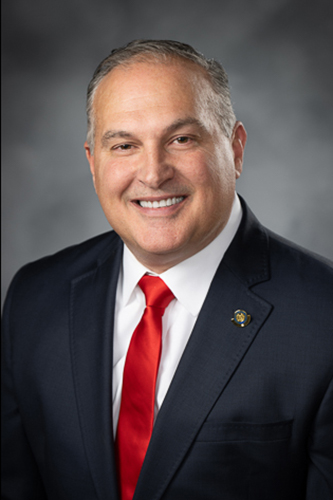
Last action · February 6, 2026: To JudiciarySponsors: Brian Helton and 1 other
Track this bill to get notified when it advances a stage. One tap to stop, anytime.
What This Bill Proposed
Senate Bill 589 reorganizes statutory definitions for recovery residences, sets forth legislative findings regarding substance use disorder treatment, and updates prohibitions and felony penalties under the Act. It also directs the Office of the Inspector General to develop a complaint tool and investigate violations.
Changes felony fine structures and criminal penalties for involving recovery residences, ranging up to $100,000 and five years imprisonment depending on the number of patients affected, and mandates new oversight and complaint investigation procedures for the Office of the Inspector General.
- West Virginia's Patient Brokering Act governs the prohibition of kickbacks and referral fees within health care and residential treatment settings. context
- The Office of the Inspector General in West Virginia operates within the health and human resources framework to provide independent oversight, investigation, and audit functions. context
Who It Would Have Affected
Groups the bill's text would have affected, as described in the record. Being affected is not a position for or against it.
Recovery residence operators
Recovery residence operators become explicitly subject to Patient Brokering Act prohibitions, certification standards, and data-sharing mandates.
Individuals in recovery from substance use disorder
Residents of recovery facilities receive protections against fraudulent management, kickbacks, and unsafe living conditions through state certification and oversight.
Office of the Inspector General
The office is assigned new statutory duties to develop complaint tools, investigate violations, and receive periodic data from the Department of Human Services.
Key Facts
You don't have to trust us. Each fact below is taken straight from the official document - click any one to see the exact passage, highlighted in the original.
Frequently Asked Questions
What is a recovery residence under this bill?
What penalties apply for patient brokering involving recovery residences?
What role does the Office of the Inspector General play under the bill?
What else do you want to know?
News Coverage
Follow the record
Votes, people, money & the original sourceWhere This Stands
This bill did not become law - Died at adjournment · in Senate committee.
Procedural history
6 actions- Feb 6, 2026SenateCommitteeTo Judiciary
- Feb 6, 2026SenateCommitteeReported do pass, but first to Judiciary
- Jan 23, 2026SenateCommitteeTo Health and Human Resources
- Jan 23, 2026SenateIntroducedIntroduced in Senate
- Jan 23, 2026SenateCommitteeTo Health and Human Resources then Judiciary
- Jan 23, 2026SenateIntroducedFiled for introduction
Version history
Only one version on file - nothing to compare yet. As later stages (committee substitute, engrossed, enrolled) are captured, the redline appears here.
View official text →Lobbying Activity
No state lobbying filings in our records match this bill. Federal lobbying reports (LDA) cover Congress, so they are not listed on state bills.
Full breakdown
Who this bill affects and the strongest case for and against it, written only from the bill’s own text.
Sponsors

Discoveries
Patterns POLISCOPE noticed across the record. These are observations to investigate, not conclusions.
Integration of Recovery Residences into Patient Brokering Statutes
The bill formally aligns recovery residence regulations under the Patient Brokering Act, expanding criminal penalties and oversight duties for the Office of the Inspector General.
Connected Entities
Sources
www.wvlegislature.gov
Analysis Score
0–100- Significance20Lowered because this bill did not pass (its text scored 75)
- Controversy35Intensity of disagreement among stakeholders
- Entertainment10Compellingness for a non-policy-wonk reader
- Buzz30Current news / social attention level
Publisher tools