
The civic record
Read. Follow. Verify.Michigan SB 427 revises legal remedies and attorney fee rules for Open Meetings Act violations
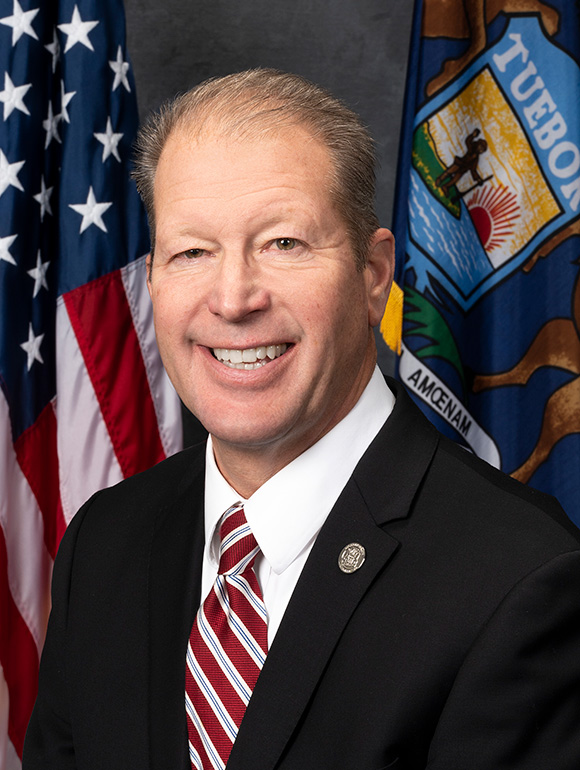
Last action · June 17, 2025: REFERRED TO COMMITTEE ON LOCAL GOVERNMENTSponsors: Dan Lauwers and 4 others
Track this bill to get notified when it advances a stage. One tap to stop, anytime.
What This Bill Would Do
Senate Bill 427 updates the Open Meetings Act to specify when courts must award attorney fees and court costs in civil lawsuits against public bodies for noncompliance. The measure sets new conditions for recovering costs, including past violations, intentional limitation of public access, irreparable harm, or significant public interest, and establishes a 180-day deadline for filing an action.
Changes the financial conditions under which citizens, the attorney general, or prosecutors can recover legal fees when suing state and local public bodies over open meetings violations. It narrows mandatory fee awards while setting specific criteria that must be met for a court to grant them.
- The Open Meetings Act governs how public bodies in Michigan must conduct their meetings to ensure transparency and public access. context
- Senate Bill 427 was introduced in the Michigan Senate during the 2025-2026 legislative session and referred to the Committee on Local Government. context
Who It Would Affect
Groups the bill's text would affect if enacted, as described in the record. Being affected is not a position for or against it.
public bodies
Public bodies face updated legal standards and specific criteria regarding court-ordered attorney fees and court costs when found in violation of the Open Meetings Act.
attorney general and prosecuting attorneys
Authorized to commence civil actions for declaratory judgments, mandamus, or injunctive relief under the act.
citizens filing civil actions
Individuals bringing civil actions must meet newly defined statutory criteria to be awarded court costs and actual attorney fees.
Key Facts
You don't have to trust us. Each fact below is taken straight from the official document - click any one to see the exact passage, highlighted in the original.
Frequently Asked Questions
What court handles lawsuits against local public bodies under this act?
What is the deadline for filing a lawsuit under these provisions?
Are plaintiffs required to post security for a temporary restraining order?
What else do you want to know?
News Coverage
Follow the record
Votes, people, money & the original sourceWhere This Stands
Currently in committee. The next step in the legislative lifecycle is Floor Vote.
Procedural history
2 actions- Jun 17, 2025SenateCommitteeREFERRED TO COMMITTEE ON LOCAL GOVERNMENT
- Jun 17, 2025SenateIntroducedINTRODUCED BY SENATOR DAN LAUWERS
Version history
Only one version on file - nothing to compare yet. As later stages (committee substitute, engrossed, enrolled) are captured, the redline appears here.
View official text →Lobbying Activity
No state lobbying filings in our records match this bill. Federal lobbying reports (LDA) cover Congress, so they are not listed on state bills.
Full breakdown
Who this bill affects and the strongest case for and against it, written only from the bill’s own text.
Sponsors



Discoveries
Patterns POLISCOPE noticed across the record. These are observations to investigate, not conclusions.
Stricter Conditions for Attorney Fee Awards
The bill shifts from mandatory fee recovery for successful plaintiffs to a conditional requirement dependent on specific statutory triggers like prior violations or intent to limit access.
Connected Entities
Sources
legislature.mi.gov
Analysis Score
0–100- Significance45How much this matters to a regular citizen
- Controversy30Intensity of disagreement among stakeholders
- Entertainment5Compellingness for a non-policy-wonk reader
- Buzz20Current news / social attention level
Publisher tools