
The civic record
Read. Follow. Verify.Indiana Senate Bill 208 mandates cancer insurance and screening coverage for firefighters
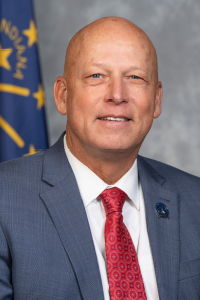
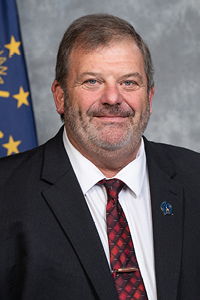
Last action · January 20, 2026: Senator Maxwell added as coauthorSponsors: Michael Crider and 7 others
Track this bill to get notified when it advances a stage. One tap to stop, anytime.
What This Bill Proposed
Indiana Senate Bill 208 requires firefighter group health insurance programs to provide cost-share-free screening for twelve types of cancer and requires local public employers to provide cancer insurance for active, retired, and disabled firefighters starting July 1, 2026. The legislation also authorizes the Indiana public retirement system board to offer group cancer insurance agreements and directs the Department of Homeland Security to create a firefighter cancer awareness and prevention program.
Active, retired, and disabled firefighters in Indiana gain mandatory access to dedicated cancer insurance policies and specialized cancer screenings without standard out-of-pocket cost sharing, while local government employers assume new obligations to procure this coverage.
Who It Would Have Affected
Groups the bill's text would have affected, as described in the record. Being affected is not a position for or against it.
active firefighters
Active firefighters receive mandatory cost-share-free screening coverage for specified cancers and required cancer insurance policies provided by their local public employers.
retired firefighters
Retired firefighters become eligible for cancer insurance policies provided by local public employers or through the Indiana public retirement system board.
firefighters receiving disability benefits
Disabled firefighters are entitled to cancer insurance coverage provided by local public employers.
local unit public employers
Local public employers must procure, maintain, and prohibit cancellation during the policy term of cancer insurance for active, retired, and disabled firefighters using one of the permitted methods.
department of homeland security
The department must consult with experts to develop and implement a firefighter cancer awareness and prevention program.
Key Facts
- Firefighter group health insurance programs must cover screenings for colon, lung, bladder, oral, thyroid, skin, blood, breast, cervical, testicular, prostate cancer, and any other cancer with a high occupational occurrence risk for firefighters.
- Cancer screening coverage provided under the bill cannot be subject to copayments, deductibles, coinsurance, or other cost sharing, except as minimally necessary for high deductible health plans to preserve health savings account tax exemptions under 26 U.S.C. 223.
- Local unit public employers must provide cancer insurance for active firefighters, retired firefighters, and firefighters receiving disability benefits under IC 36-8-7 or IC 36-8-8.
- Local public employers may provide cancer insurance by purchasing group policies, establishing self-insurance programs, or electing coverage through a policy adopted by the board of trustees of the Indiana public retirement system.
Show all 7 facts
- Local public employers are prohibited from canceling a firefighter cancer insurance contract during its policy term.
- The board of trustees of the Indiana public retirement system is authorized to enter agreements with insurance companies to provide group cancer insurance for active, retired, and disabled firefighters.
- The department of homeland security must develop a firefighter cancer awareness and prevention program providing relevant risk-reduction information to fire department personnel and volunteers, in consultation with the medical community and industry experts.
Frequently Asked Questions
Which firefighters are eligible for the mandated cancer insurance provided by local public employers?
Are firefighters required to pay copayments or deductibles for cancer screenings under this legislation?
What agency is responsible for developing the firefighter cancer awareness and prevention program?
What else do you want to know?
News Coverage
Follow the record
Votes, people, money & the original sourceWhere This Stands
This bill did not become law - Died at adjournment · in Senate committee.
Procedural history
8 actions- Jan 20, 2026SenateSenator Maxwell added as coauthor
- Jan 15, 2026SenateSenator Hunley added as coauthor
- Jan 15, 2026SenateSenator Ford J.D. added as coauthor
- Jan 15, 2026SenateSenators Pol, Niezgodski added as coauthors
- Jan 15, 2026SenateSenator Doriot added as third author
- Jan 15, 2026SenateSenator Dernulc added as second author
Show 2 earlier actions
- Jan 8, 2026SenateIntroducedFirst reading: referred to Committee on Pensions and Labor
- Jan 8, 2026SenateAuthored by Senator Crider
Version history
Only one version on file - nothing to compare yet. As later stages (committee substitute, engrossed, enrolled) are captured, the redline appears here.
View official text →Lobbying Activity
No state lobbying filings in our records match this bill. Federal lobbying reports (LDA) cover Congress, so they are not listed on state bills.
Full breakdown
Who this bill affects and the strongest case for and against it, written only from the bill’s own text.
Sponsors






Discoveries
Patterns POLISCOPE noticed across the record. These are observations to investigate, not conclusions.
Mandatory Cancer Coverage Extension
The bill shifts the responsibility of providing cancer insurance onto local unit public employers and requires group health plans to cover twelve specific cancer screenings without standard cost sharing.
Connected Entities
Sources
iga.in.gov
Analysis Score
0–100- Significance20Lowered because this bill did not pass (its text scored 75)
- Controversy20Intensity of disagreement among stakeholders
- Entertainment5Compellingness for a non-policy-wonk reader
- Buzz35Current news / social attention level
Publisher tools