
The civic record
Read. Follow. Verify.West Virginia bill requires oil and gas operators to set aside escrow funds for future well plugging
Last action · February 10, 2026: To House Energy and Public WorksSponsors: Evan Hansen and 4 others
Track this bill to get notified when it advances a stage. One tap to stop, anytime.
What This Bill Proposed
House Bill 5415 establishes the Orphan Oil and Gas Well Prevention Act of 20th 2026, requiring oil and gas operators to set up escrow accounts for ging funds and prohibiting new well permits after July 1, 2026, unless a bond or escrow agreement is furnished. The measure mandates that active well operators pay set-aside amounts per unit of production, holds previous operators liable for violations leading to leaks, and requires new well drillers to agree to plug s in the drained area.
Operators face mandatory per-unit production payments into escrow accounts and stricter bonding or transfer requirements, while surface owners gain the right to consent to temporary ging deferrals under specific safety conditions.
- Orphaned oil and gas wells pose environmental risks by leaking methane, oil, or brine into groundwater and the atmosphere when no solvent operator remains responsible for plugging them. context
- West Virginia regulates oil and gas drilling and environmental compliance through the Department of Environmental Protection and its Office of Oil and Gas. context
Who It Would Have Affected
Groups the bill's text would have affected, as described in the record. Being affected is not a position for or against it.
Oil and gas well operators
Operators must furnish bonds or establish escrow accounts, make per-unit production payments, and assume liability for plugging obligations.
Surface landowners
Surface landowners may sign consent forms to temporarily defer plugging and can object to deferrals if their rights are affected.
Previous well operators
Previous operators remain liable for plugging wells if problems arise from prior violations or failure to act as a prudent operator.
Key Facts
You don't have to trust us. Each fact below is taken straight from the official document - click any one to see the exact passage, highlighted in the original.
Frequently Asked Questions
What fees must oil and gas operators pay into escrow under this bill?
Can a surface owner agree to delay the plugging of an abandoned well on their land?
What else do you want to know?
News Coverage
Follow the record
Votes, people, money & the original sourceWhere This Stands
This bill did not become law - Died at adjournment · in House committee.
Procedural history
4 actions- Feb 10, 2026HouseCommitteeTo House Energy and Public Works
- Feb 10, 2026HouseIntroducedIntroduced in House
- Feb 10, 2026HouseCommitteeTo Energy and Public Works then Finance
- Feb 10, 2026HouseIntroducedFiled for introduction
Version history
Only one version on file - nothing to compare yet. As later stages (committee substitute, engrossed, enrolled) are captured, the redline appears here.
View official text →Lobbying Activity
No state lobbying filings in our records match this bill. Federal lobbying reports (LDA) cover Congress, so they are not listed on state bills.
Full breakdown
Who this bill affects and the strongest case for and against it, written only from the bill’s own text.
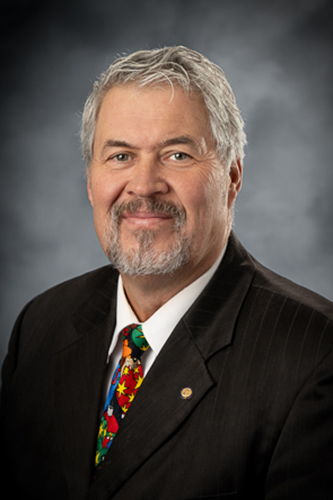
Sponsors




Discoveries
Patterns POLISCOPE noticed across the record. These are observations to investigate, not conclusions.
Expanded Financial Assurance for Wells
The bill shifts orphan well prevention from state-funded cleanup to mandatory pre-funding through production-based escrow accounts and single-well bonds.
Connected Entities
Sources
www.wvlegislature.gov
Analysis Score
0–100- Significance20Lowered because this bill did not pass (its text scored 80)
- Controversy65Intensity of disagreement among stakeholders
- Entertainment10Compellingness for a non-policy-wonk reader
- Buzz40Current news / social attention level
Publisher tools