
The civic record
Read. Follow. Verify.West Virginia Bill Authorizes Sale of Homemade Food and Honey Under Specific Conditions
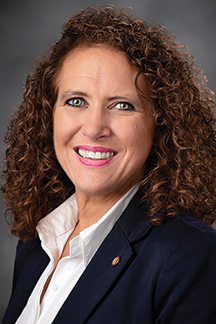
Last action · January 14, 2026: To House Agriculture, Commerce and TourismSponsors: Kathie Hess Crouse and 2 others
Track this bill to get notified when it advances a stage. One tap to stop, anytime.
What This Bill Proposed
West Virginia House Bill 4076 authorizes the production and sale of homemade food items and raw honey under specific conditions, exempting qualifying foods from state licensing, permitting, inspection, packaging, and labeling laws. Beekeepers producing less than 500 gallons of honey annually are exempted from the West Virginia Apiary Act and local laws outside of zoning. The measure also establishes safety requirements for transporting potentially hazardous homemade foods and permits health authorities to investigate and halt sales linked to foodborne illnesses.
Producers of homemade foods, honey, and cottage foods face modified regulatory requirements, permitting rules, and specific labeling mandates when selling directly or through third-party vendors, while local health departments retain the authority to halt sales tied to foodborne illness outbreaks.
- House Bill 4076 was introduced in the West Virginia House of Delegates during the 2026 regular session and referred to the Committee on Government Organization. context
Who It Would Have Affected
Groups the bill's text would have affected, as described in the record. Being affected is not a position for or against it.
homemade food producers
Producers are granted exemptions from state licensing, permitting, inspection, packaging, and labeling laws for nonpotentially hazardous items, provided specific conditions and labeling requirements are met.
beekeepers
Beekeepers producing under 500 gallons of honey annually are exempt from the West Virginia Apiary Act and local laws outside of zoning requirements.
local health departments
Local health agencies maintain the authority to investigate and stop the production or sale of food items reported to have caused a foodborne illness.
Key Facts
You don't have to trust us. Each fact below is taken straight from the official document - click any one to see the exact passage, highlighted in the original.
Frequently Asked Questions
What homemade foods are exempt from state licensing and inspection?
Are beekeepers exempt from local laws under this bill?
Can health departments stop the sale of homemade foods if someone gets sick?
What else do you want to know?
News Coverage
Follow the record
Votes, people, money & the original sourceWhere This Stands
This bill did not become law - Died at adjournment · in House committee.
Procedural history
5 actions- Jan 14, 2026HouseCommitteeTo House Agriculture, Commerce and Tourism
- Jan 14, 2026HouseCommitteeTo House Government Organization
- Jan 14, 2026HouseIntroducedIntroduced in House
- Jan 14, 2026HouseCommitteeTo Government Organization
- Jan 14, 2026HouseIntroducedFiled for introduction
Version history
Only one version on file - nothing to compare yet. As later stages (committee substitute, engrossed, enrolled) are captured, the redline appears here.
View official text →Lobbying Activity
No state lobbying filings in our records match this bill. Federal lobbying reports (LDA) cover Congress, so they are not listed on state bills.
Full breakdown
Who this bill affects and the strongest case for and against it, written only from the bill’s own text.
Sponsors


Discoveries
Patterns POLISCOPE noticed across the record. These are observations to investigate, not conclusions.
Cottage Food Deregulation
The legislation removes traditional state licensing, permitting, and inspection burdens for nonpotentially hazardous homemade foods and small-scale beekeepers while preserving public health oversight for foodborne illness investigations.
Connected Entities
Sources
www.wvlegislature.gov
Analysis Score
0–100- Significance20Lowered because this bill did not pass (its text scored 60)
- Controversy25Intensity of disagreement among stakeholders
- Entertainment5Compellingness for a non-policy-wonk reader
- Buzz15Current news / social attention level
Publisher tools