
NewsWSVN 7 News MiamiAugust 22, 2026Miami-Dade County
TikTok agrees to $400 million settlement with U.S. Department of Justice over children's privacy violations
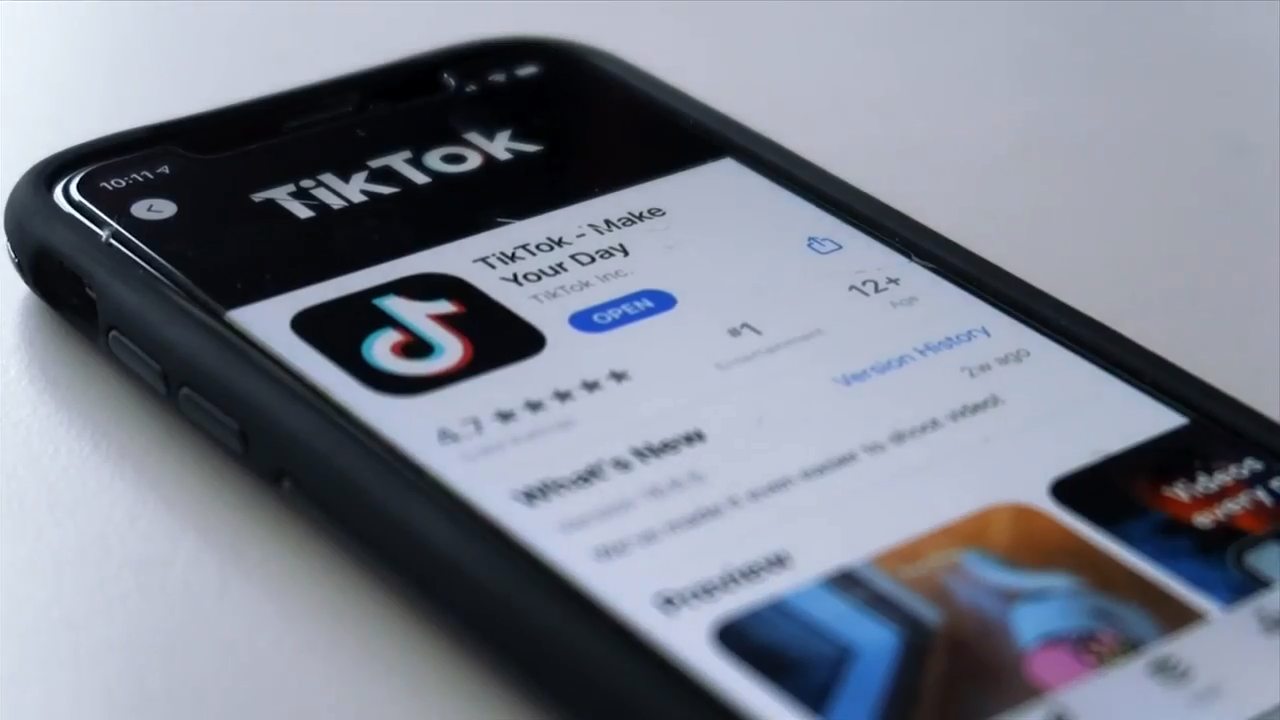
Photo: WSVN 7 News Miami
TikTok will pay $400 million to resolve a federal lawsuit alleging the company failed to obtain parental consent for collecting data from children under 13 and ignored requests to delete their accounts. The payment is structured as an immediate $300 million installment followed by a $100 million payment contingent on the vacating of a prior consent decree.
Read the full story at WSVN 7 News MiamiWhy It Matters
This settlement resolves federal allegations regarding the handling of personal data for users under 13, impacting how TikTok manages child privacy and its legal obligations under federal law.
Key Facts
- TikTok agreed to a total settlement of $400 million.
- An initial payment of $300 million is required immediately.
- A secondary payment of $100 million is required once an order vacates a previous consent decree against Musical.ly.
- The lawsuit alleged violations of federal laws requiring parental consent for collecting data on children under 13.
- The company was accused of failing to honor parental requests to delete children's accounts.
- The company was accused of failing to delete accounts known to belong to children under 13.
- TikTok formed a new U.S. joint venture in January 2024 with investors including Oracle, Silver Lake, and MGX.
Who's Mentioned
OrganizationByteDance“China-based parent company of TikTok.”OrganizationU.S. Department of Justice“Federal agency that filed the lawsuit.”OrganizationTikTok“Social video platform company involved in the settlement.”OrganizationOracle“Investor in TikTok U.S. joint venture.”OrganizationSilver Lake“Investor in TikTok U.S. joint venture.”OrganizationMGX“Emirati investment firm and investor in TikTok U.S. joint venture.”PersonStanley E. Woodward Jr.“U.S. Associate Attorney General.”OrganizationMusical.ly“Predecessor company to TikTok.”OrganizationMeta Platforms“Parent company of Instagram, currently facing similar litigation.”