
Los Angeles City Council Approves License Plate-Reader Pilot Program for West San Fernando Valley
Photo: MyNewsLA
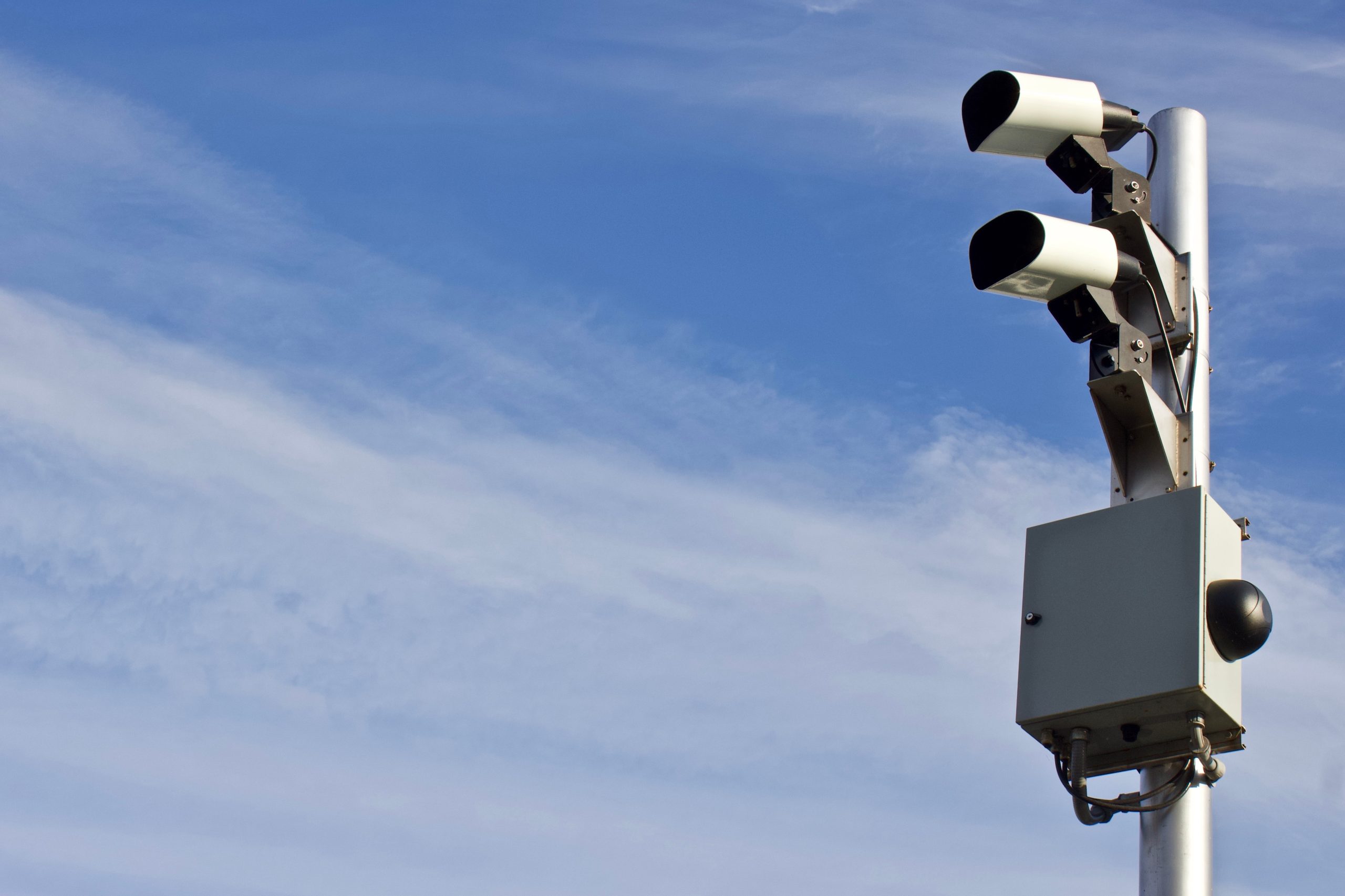
The Los Angeles City Council voted 9-6 to reject a motion that would have sent a license plate-reader pilot program back for further review, allowing the three-month test to proceed in Council District 3. Under the no-cost contract with Axon Enterprise, cameras will be installed on street lights to draw power from electrical connections. The program will operate alongside updated LAPD policies that restrict data retention to 90 days and limit system access to 4,000 trained officers.
Read the full story at MyNewsLAWhy It Matters
Residents in neighborhoods such as Encino, Woodland Hills, and Tarzana will have automated license plate-reading cameras installed on street lights near them, while the LAPD implements a new data-sharing and privacy framework affecting how vehicle location data is stored and accessed.
Key Facts
- The Los Angeles City Council rejected a motion to send the automated license plate reader pilot program back for review in a 9-6 vote.
- Councilman Hugo Soto-Martinez needed 10 votes to pass his motion, falling short by one vote.
- The three-month pilot program will be implemented in Council District 3, including Encino, Woodland Hills, and Tarzana.
- Axon Enterprise holds a no-cost contract with the LAPD to clamp cameras to street lights, drawing electrical power from the lights.
- Ubicquia Inc. is the subcontractor tasked with installing the cameras.
- Under updated LAPD policies, searchable ALPR data retention is reduced from two years to 90 days.
- Access to captured data is restricted to 4,000 officers who must obtain supervisory approval and complete online video training and a test.
- The system generates alerts, but department policy requires an officer to independently verify the plate status before taking action.
- State law and department policy prohibit sharing ALPR data with federal and out-of-state agencies such as ICE.
- The Board of Police Commissioners previously approved a separate 10-year, $235 million contract with Axon for patrol-car cameras, body-worn cameras, Tasers, and cloud storage in September.