
The civic record
Read. Follow. Verify.Kentucky House Bill 621 sets class size and caseload limits for exceptional children and youth programs
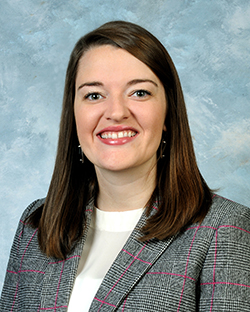
Last action · March 18, 2026: to Education (S)Sponsors: Tina Bojanowski and 24 others
Track this bill to get notified when it advances a stage. One tap to stop, anytime.
What This Bill Proposed
Kentucky House Bill 621 establishes statutory maximum class sizes and teacher limits for special education programs serving exceptional children and youth across various disability categories. The measure defines specific student limits for classes and s, updates preschool program eligibility guidelines, and revises penalties related to compulsory school attendance.
The bill directly impacts public school staffing allocations, classroom capacities, and educational services for students with disabilities across Kentucky school districts by setting strict legal caps on special education enrollments.
- House 621 was introduced in the Kentucky General Assembly during the 2026 Regular Session to update statutory definitions and class size limits for exceptional children. context
Who It Would Have Affected
Groups the bill's text would have affected, as described in the record. Being affected is not a position for or against it.
Exceptional children and youth
Students receiving special education services are subject to newly codified class size and caseload limits.
Special education teachers
Teachers of exceptional children and youth must adhere to statutory maximum caseload limitations and multi-category student assignment rules.
Local school districts
School boards must establish, maintain, and manage special educational programs and facilities in compliance with the updated statutory caps.
Key Facts
You don't have to trust us. Each fact below is taken straight from the official document - click any one to see the exact passage, highlighted in the original.
Frequently Asked Questions
Can classes exceed the established maximum size if additional staff is present?
What age must a child be by August 1 to be eligible for preschool education and related services under the bill?
What else do you want to know?
News Coverage
Follow the record
Votes, people, money & the original sourceWhere This Stands
This bill did not become law - Died at adjournment · passed the House · in Senate committee.
Procedural history
9 actions- Mar 18, 2026SenateCommitteeto Education (S)
- Mar 13, 2026SenateIntroducedreceived in Senate to Committee on Committees (S)
- Mar 12, 2026HouseFloor3rd reading, passed 98-0 with Floor Amendment (1)
- Mar 9, 2026Houseposted for passage in the Regular Orders of the Day for Tuesday, March 10 2026
- Feb 26, 2026HouseFloor2nd reading, to Rules
- Feb 25, 2026Housereported favorably, 1st reading, to Calendar
Show 3 earlier actions
- Feb 24, 2026Housefloor amendment (1) filed
- Feb 19, 2026HouseCommitteeto Primary and Secondary Education (H)
- Feb 11, 2026HouseIntroducedintroduced in House to Committee on Committees (H)
Version history
Only one version on file - nothing to compare yet. As later stages (committee substitute, engrossed, enrolled) are captured, the redline appears here.
View official text →Lobbying Activity
No state lobbying filings in our records match this bill. Federal lobbying reports (LDA) cover Congress, so they are not listed on state bills.
Full breakdown
Who this bill affects and the strongest case for and against it, written only from the bill’s own text.
Sponsors
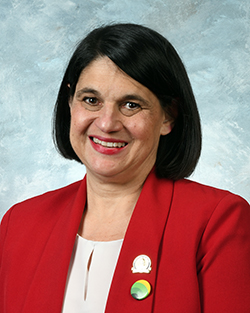


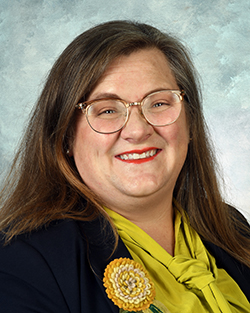

Show 20 more sponsors
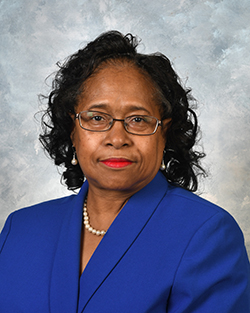

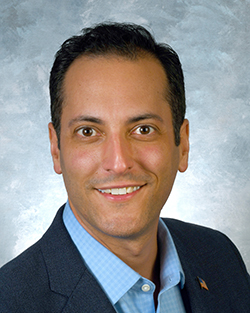
















Discoveries
Patterns POLISCOPE noticed across the record. These are observations to investigate, not conclusions.
Codification of Specific Special Education Caps
The bill replaces generalized administrative guidelines with precise, statutory class size and caseload maximums tailored to specific exceptionality categories.
Connected Entities
Sources
apps.legislature.ky.gov
Analysis Score
0–100- Significance20Lowered because this bill did not pass (its text scored 75)
- Controversy25Intensity of disagreement among stakeholders
- Entertainment5Compellingness for a non-policy-wonk reader
- Buzz40Current news / social attention level
Publisher tools