POLISCOPE
Back to bills

The civic record

Read. Follow. Verify.
Enacted

Ohio prohibits ranked choice voting and mandates withholding state funds from local governments that adopt it

Original title: Prohibit use of ranked choice voting; withhold funding for use

Last action · June 16, 2026: EffectiveSponsors: Theresa Gavarone and 48 others

Introduced
Committee
Floor Vote
Passed
Law

Track this bill to get notified when it advances a stage. One tap to stop, anytime.

What This Bill Does

This law prohibits any municipality, county, or primary election in Ohio from using or , unless explicitly permitted under the state constitution. If the secretary of state finds a local government has approved ranked choice voting, that municipality or county becomes ineligible for state distributions until the policy is rescinded. The legislation also modifies various election petition record requirements and signature verification rules.

Why it matters

Local governments in Ohio that implement face a complete cutoff of state disbursements, directly impacting municipal budgets and local services.

Background
  • Ranked choice voting is an alternative voting system where voters rank candidates by preference, which several municipalities nationwide have adopted for local elections. context
  • The Ohio General Assembly is the state legislature responsible for enacting statutory laws and amending the Ohio Revised Code. context

Who It Affects

Groups the bill's text affects, as described in the record. Being affected is not a position for or against it.

Directly affected

Municipal Corporations and Counties

Local governments face the loss of state Local Government Fund distributions if they approve or implement ranked choice voting.

Directly affected

Voters and Electors

Voters are prohibited from using ranked choice or instant runoff voting methods in local or primary elections.

Directly affected

Secretary of State

The secretary of state is responsible for determining if a local government has approved ranked choice voting and notifying the tax commissioner.

Key Facts

You don't have to trust us. Each fact below is taken straight from the official document - click any one to see the exact passage, highlighted in the original.

Frequently Asked Questions

What happens to a local government if it adopts ranked choice voting?
The municipality or chartered county becomes ineligible to receive distributions from the state for the duration that is in effect.
Are there any exceptions where ranked choice voting is allowed?
Yes, elections may use if explicitly permitted under Article X or Article XVIII of the Ohio Constitution.
What happens if a local government decides to repeal its use of ranked choice voting?
Upon notification that the local government has rescinded its approval, the secretary of state notifies the tax commissioner, and state payments are resumed.

What else do you want to know?

News Coverage

Coverage by outlet perspective1 article
Left 1
Blind spot - no right-leaning coverage

Bias ratings based on AllSides / Media Bias/Fact Check

Where This Stands

Current status: Signed into law.

Procedural history

12 actions
  1. Jun 16, 2026Enrolled
    Effective
  2. Mar 17, 2026Enrolled
    Signed By The Governor
  3. Mar 12, 2026Enrolled
    Sent To The Governor
  4. Mar 4, 2026SenateFloor
    Concurred in House amendments
  5. Feb 25, 2026HouseCommittee
    Reported - Substitute (General Government)
  6. Feb 25, 2026HouseFloor
    Passed
Show 6 earlier actions
  1. May 21, 2025HouseCommittee
    Referred to General Government
  2. May 20, 2025HouseIntroduced
    Introduced
  3. May 14, 2025SenateFloor
    Passed
  4. Apr 29, 2025SenateCommittee
    Reported (General Government)
  5. Jan 29, 2025SenateCommittee
    Referred to General Government
  6. Jan 28, 2025SenateIntroduced
    Introduced

Version history & redline

6 versions on file
Comparing As Passed by the House → As Enrolled
removed addedOfficial text
removed: sb63_04_PH As Passed by the House 136th General Assembly Regular Session Sub. S. B. No. 63 2025-2026 Senators Gavarone, DeMora Cosponsors: Senators Huffman, Brenner, Cirino, Cutrona, Johnson, Koehler, Lang, O'Brien, Patton, Reynolds, Timken, Wilkin Representatives Bird, Abrams, Barhorst, Creech, Demetriou, Dovilla, Fischer, Fowler Arthur, Gross, Hall, T., Hiner, Holmes, Hoops, John, King, Klopfenstein, Lear, Lorenz, Mathews, A., Mathews, T., McClain, Miller, K., Miller, M., Newman, Plummer, Ray, Richardson, Ritter, Robb Blasdel, Salvo, Schmidt, Stewart, Swearingen, Thomas, D., Williams To amend sections 3501.01, 3513.05, 3513.262, 3513.263, and 5747.502 and to enact sections 3505.011, 3513.141, 5747.504, and 5747.505 of the Revised Code to generally prohibit the use of ranked choice voting, to withhold Local Government Fund distributions from a municipality or chartered county that uses ranked choice voting, and to make changes to election petition records. BE IT ENACTED BY THE GENERAL ASSEMBLY OF THE STATE OF OHIO: Section 1. That sections 3501.01, 3513.05, 3513.262, 3513.263, and 5747.502 be amended and sections 3505.011, 3513.141, 5747.504, and 5747.505 of the Revised Code be enacted to read as follows: Sec. 3501.01. As used in the sections of the Revised Code relating to elections and political communications: (A) "General election" means the election held on the first Tuesday after the first Monday in each November. (B) "Regular municipal election" means the election held on the first Tuesday after the first Monday in November in each odd-numbered year. (C) "Regular state election" means the election held on the first Tuesday after the first Monday in November in each even-numbered year. (D) "Special election" means any election other than those elections defined in other divisions of this section. A special election may be held only on the first Tuesday after the first Monday in May or November, on the first Tuesday after the first Monday in 50,496 more removed characters - read the previous versionadded: sb63_05_EN (136th General Assembly) (Substitute Senate Bill Number 63) AN ACT To amend sections 3501.01, 3513.05, 3513.262, 3513.263, and 5747.502 and to enact sections 3505.011, 3513.141, 5747.504, and 5747.505 of the Revised Code to generally prohibit the use of ranked choice voting, to withhold Local Government Fund distributions from a municipality or chartered county that uses ranked choice voting, and to make changes to election petition records. Be it enacted by the General Assembly of the State of Ohio: Section 1. That sections 3501.01, 3513.05, 3513.262, 3513.263, and 5747.502 be amended and sections 3505.011, 3513.141, 5747.504, and 5747.505 of the Revised Code be enacted to read as follows: Sec. 3501.01. As used in the sections of the Revised Code relating to elections and political communications: (A) "General election" means the election held on the first Tuesday after the first Monday in each November. (B) "Regular municipal election" means the election held on the first Tuesday after the first Monday in November in each odd-numbered year. (C) "Regular state election" means the election held on the first Tuesday after the first Monday in November in each even-numbered year. (D) "Special election" means any election other than those elections defined in other divisions of this section. A special election may be held only on the first Tuesday after the first Monday in May or November, on the first Tuesday after the first Monday in August in accordance with section 3501.022 of the Revised Code, or on the day authorized by a particular municipal or county charter for the holding of a primary election, except that in any year in which a presidential primary election is held, no special election shall be held in May, except as authorized by a municipal or county charter, but may be held on the third Tuesday after the first Monday in March. (E)(1) "Primary" or "primary election" means an election held for the purpose of nominating persons as 50,530 more added characters - read this version
Redline computed from the official version text (record lane).View this version →

Voting Record

Show 4 earlier roll calls
Motion succeededHouse2/25/2026Ohio LegislatureOfficial roll call ↗

Passed

Total

91

Yes
91
No
0
Present
0
Not voting
0
Abstain
0

How they voted (93)

69 more members
James M. HoopsParty not recordedyes
Diane MullinsParty not recordedyes
Kevin MillerParty not recordedyes
Sean BrennanParty not recordedyes
Andrea WhiteParty not recordedyes
Tom YoungParty not recordedyes
Jennifer GrossParty not recordedyes
Monica Robb BlasdelParty not recordedyes
Joseph A. Miller, IIIParty not recordedyes
Kellie DeeterParty not recordedyes
Levi DeanParty not recordedyes
Tracy RichardsonParty not recordedyes
Dani IsaacsohnParty not recordedyes
Ty MathewsParty not recordedyes
Ismail MohamedParty not recordedyes
Scott OelslagerParty not recordedyes
Justin PizzulliParty not recordedyes
Michelle TeskaParty not recordedyes
Nick SantucciParty not recordedyes
Beryl PiccolantonioParty not recordedyes
Sharon A. RayParty not recordedyes
Gayle ManningParty not recordedyes
Ty MooreParty not recordedyes
Michele GrimParty not recordedyes
Jean SchmidtParty not recordedyes
D.J. SwearingenParty not recordedyes
Thaddeus J. ClaggettParty not recordedyes
Munira AbdullahiParty not recordedyes
Brian StewartParty not recordedyes
Adam MathewsParty not recordedyes
Terrence UpchurchParty not recordedyes
Eric SynenbergParty not recordedno
Lauren McNallyParty not recordedyes
Marilyn JohnParty not recordedyes
Jeff LaReParty not recordedyes
Meredith CraigParty not recordedyes
Bob PetersonParty not recordedyes
Derrick HallParty not recordedyes
Cindy AbramsParty not recordedyes
Brian LorenzParty not recordedyes
Angela N. KingParty not recordedyes
Rachel BakerParty not recordedyes
Beth LearParty not recordedyes
Elgin RogersParty not recordedyes
Jack DanielsParty not recordedyes
Daniel P. TroyParty not recordedyes
Roy KlopfensteinParty not recordedyes
Allison RussoParty not recordedno
Tristan RaderParty not recordedno
Meredith R. Lawson-RoweParty not recordedyes
Heidi WorkmanParty not recordedyes
Sarah Fowler ArthurParty not recordedyes
Tim BarhorstParty not recordedyes
Crystal LettParty not recordedyes
Chris GlassburnParty not recordedyes
Riordan McClainParty not recordedyes
Phil PlummerParty not recordedyes
Cecil ThomasParty not recordedyes
Karen BrownleeParty not recordedyes
Michael D. DovillaParty not recordedyes
Matthew KishmanParty not recordedyes
Adam HolmesParty not recordedyes
Christine CockleyParty not recordedno
Thomas HallParty not recordedyes
Josh WilliamsParty not recordedyes
Jason StephensParty not recordedyes
Steve DemetriouParty not recordedyes
Matt HuffmanParty not recordedyes
Bill RoemerParty not recordedyes

Lobbying Activity

No state lobbying filings in our records match this bill. Federal lobbying reports (LDA) cover Congress, so they are not listed on state bills.

Full breakdown

Who this bill affects and the strongest case for and against it, written only from the bill’s own text.

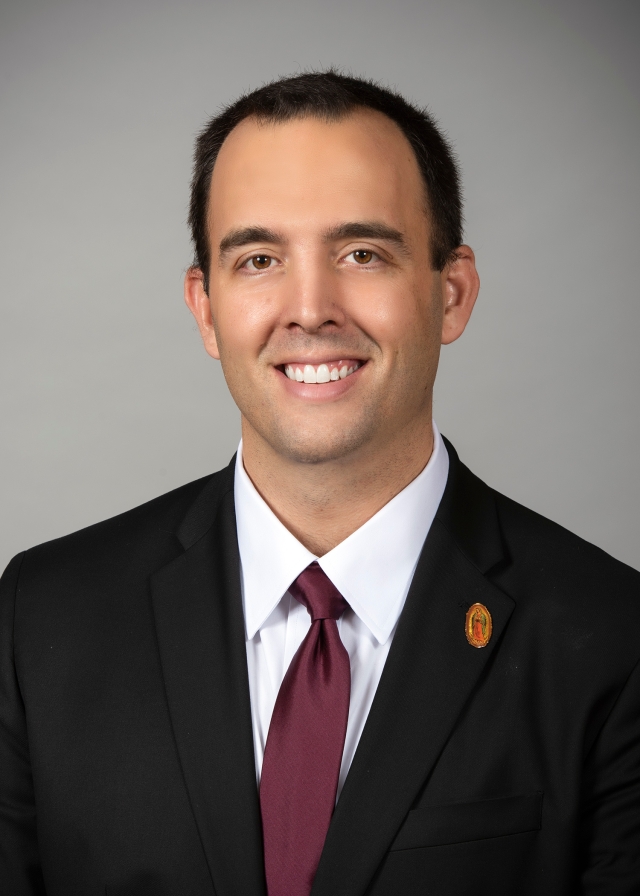
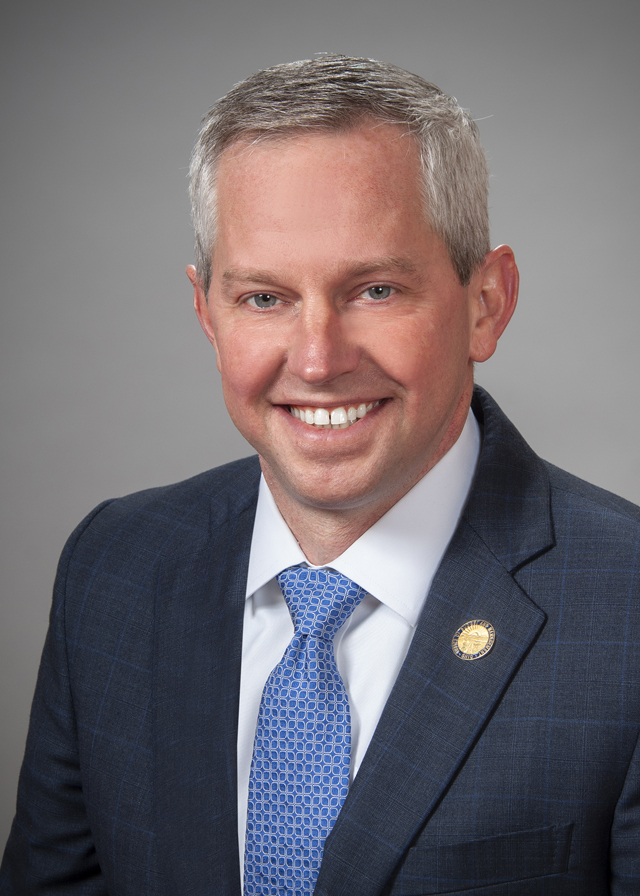
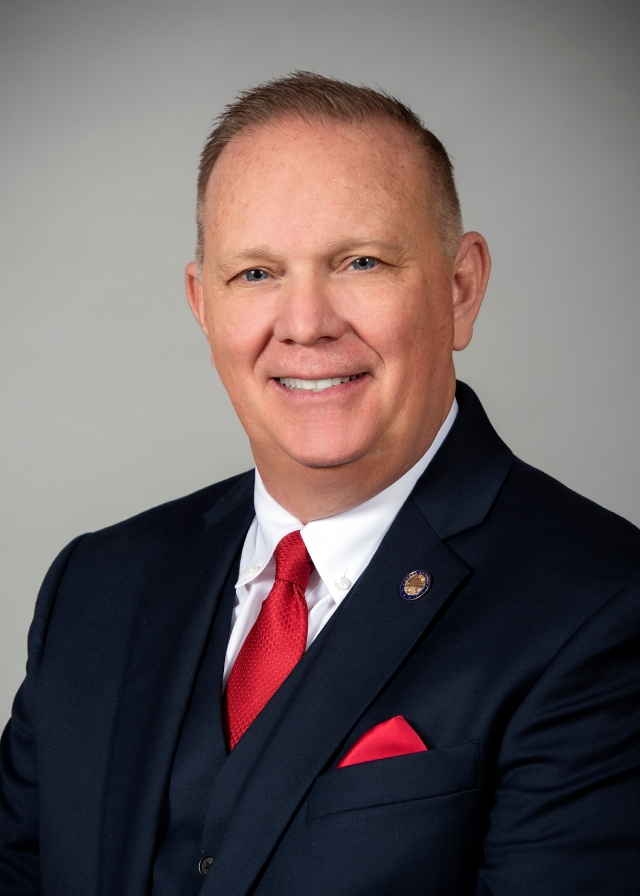
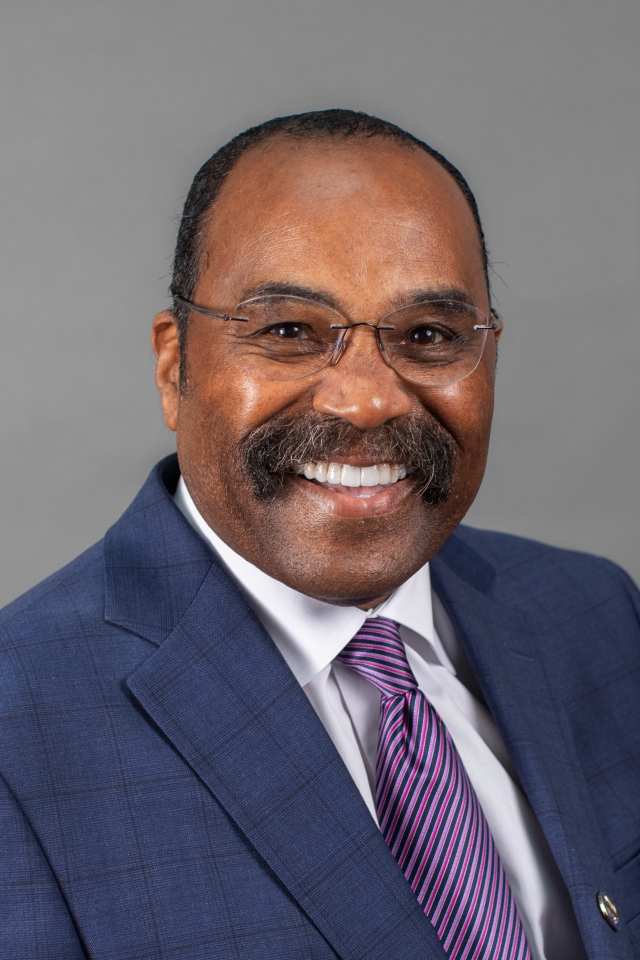
Sponsors

Show 44 more sponsors

Discoveries

1 pattern noticed across the record

Patterns POLISCOPE noticed across the record. These are observations to investigate, not conclusions.

policy shift95% confidence

Enforcement via Fiscal Penalties

The legislation uses state-administered Local Government Fund distributions as a financial lever to deter municipalities from adopting alternative voting methods.

Connected Entities

General Assembly, Rodney Creech, Sarah Fowler Arthur and 10 more
OrganizationGeneral Assembly“Legislative body enacting the statute”Map →
PersonRodney Creech“Cosponsor of the bill”Map →
PersonSarah Fowler Arthur“Cosponsor of the bill”Map →
PersonTheresa Gavarone“Primary sponsor of Senate Bill 63”Map →
PersonWilliam P. DeMora“Primary sponsor of Senate Bill 63”Map →
PersonTex Fischer“Cosponsor of the bill”Map →
PersonMichael D. Dovilla“Cosponsor of the bill”Map →
PersonCindy Abrams“Cosponsor of the bill”Map →
PersonSteve Demetriou“Cosponsor of the bill”Map →
PersonTim Barhorst“Cosponsor of the bill”Map →
PersonJennifer Gross“Cosponsor of the bill”Map →
PersonThomas Hall“Cosponsor of the bill”Map →
PersonAdam Bird“Cosponsor of the bill”Map →

Sources

Open source document

www.legislature.ohio.gov

Analysis Score

0–100
  • Significance85
    How much this matters to a regular citizen

  • Controversy80
    Intensity of disagreement among stakeholders
  • Entertainment10
    Compellingness for a non-policy-wonk reader

  • Buzz60
    Current news / social attention level

Publisher tools

Share or embed this record

POLISCOPE publisher tools

Share or embed this record