
The civic record
Read. Follow. Verify.South Dakota Legislature Codifies State Definitions for Man and Woman Across All State Statutes and Rules
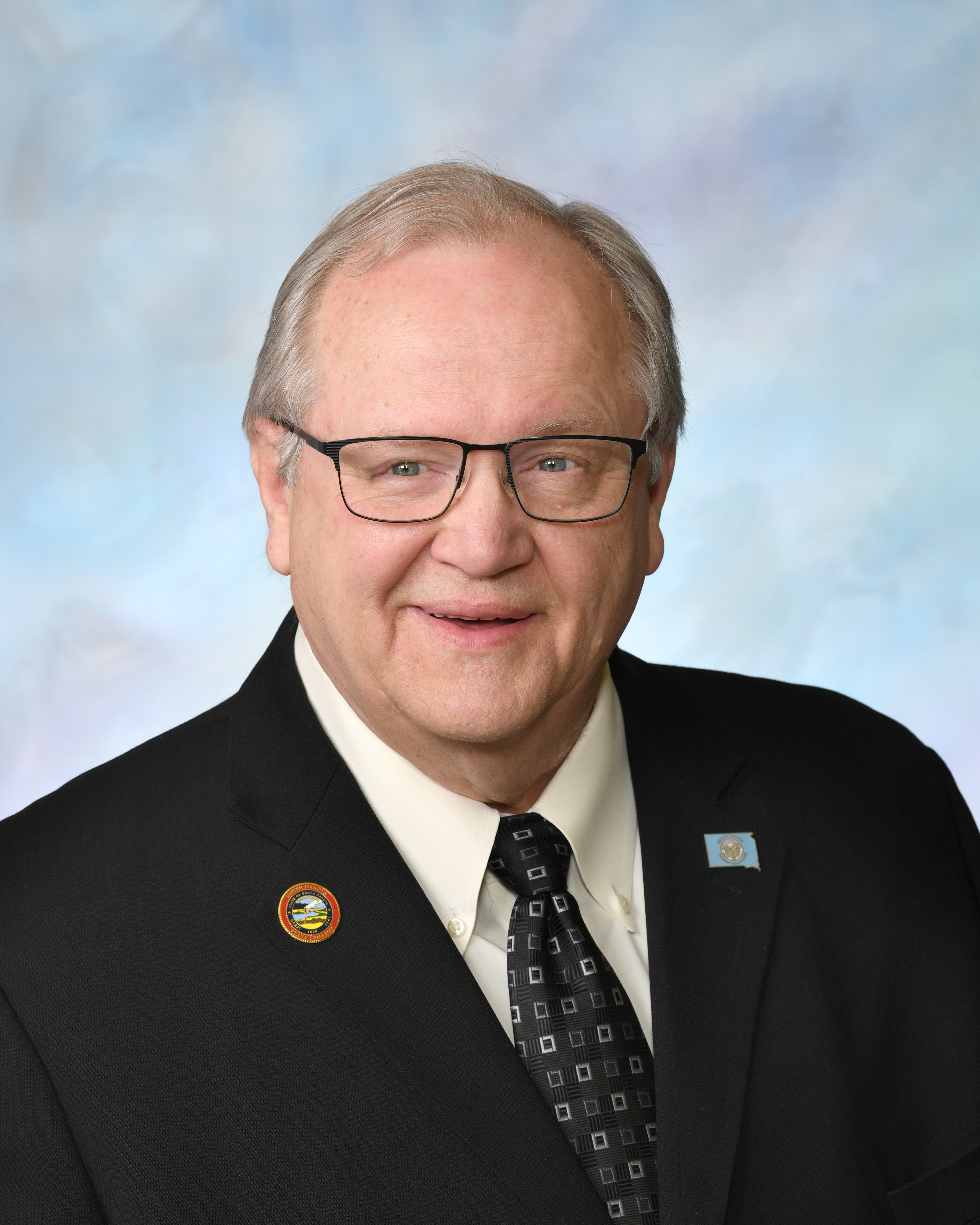
Last action · March 30, 2026: Signed by the GovernorSponsors: Jon Hansen and 14 others
Track this bill to get notified when it advances a stage. One tap to stop, anytime.
What This Bill Does
South Dakota formally defines "man," "woman," "male," "female," and related terms based on biological reproductive systems, requiring all state agencies, local governments, and s to strictly apply these definitions uniformly across all state statutes, administrative rules, contracts, and policies.
The measure establishes mandatory state-level statutory definitions for sex and gender categories that govern all administrative operations, public entities, and state-administered programs throughout South Dakota.
Who It Affects
Groups the bill's text affects, as described in the record. Being affected is not a position for or against it.
State Agencies and Political Subdivisions
State agencies, departments, boards, and political subdivisions must strictly adhere to the newly codified definitions in all official duties, policies, and contracts.
Key Facts
- House Bill 1184 establishes uniform state-level definitions for "man," "woman," "male," "female," "boy," "girl," "father," "mother," and "sex" to be applied across all state laws and administrative rules.
- The statute defines a "female" as an individual who naturally has, had, will have, or would have the reproductive system that produces, transports, and utilizes eggs for fertilization, excepting congenital anomalies or intentional/unintentional disruptions.
- The statute defines a "male" as an individual who naturally has, had, will have, or would have the reproductive system that produces, transports, and utilizes sperm for fertilization, excepting congenital anomalies or intentional/unintentional disruptions.
- Every state agency, department, board, commission, institution, political subdivision, and entity exercising state authority must strictly adhere to these definitions in executing applicable duties.
Show all 6 facts
- The measure specifies that these definitions apply uniformly throughout all administrative rules, contracts, guidance documents, policies, practices, and statutes of the state and its political subdivisions.
- Amendments are made to existing statutory sections, including updates to terms involving general definitions, municipal ward population determinations, full-time equivalent (FTE) staffing calculations, and vehicle registration requirements.
Frequently Asked Questions
What entities are required to follow the new definitions?
How does the bill define female and male?
What else do you want to know?
News Coverage
Follow the record
Votes, people, money & the original sourceWhere This Stands
Current status: Signed into law.
Procedural history
13 actions- Mar 30, 2026HouseEnrolledSigned by the Governor
- Mar 12, 2026HouseEnrolledDelivered to the Governor
- Mar 11, 2026SenateSigned by the President
- Mar 10, 2026HouseSigned by the Speaker
- Mar 9, 2026SenateCommitteeDo Pass Amended
- Mar 5, 2026SenateCommitteeDo Pass
Show 7 earlier actions
- Mar 5, 2026SenateScheduled for hearing
- Feb 25, 2026SenateIntroducedFirst read in Senate and referred to
- Feb 24, 2026HouseCommitteeDo Pass Amended
- Feb 20, 2026HouseCommitteeDo Pass Amended
- Feb 20, 2026HouseMotion to amend
- Feb 20, 2026HouseScheduled for hearing
- Jan 29, 2026HouseIntroducedFirst read in House and referred to
Version history
Only one version on file - nothing to compare yet. As later stages (committee substitute, engrossed, enrolled) are captured, the redline appears here.
View official text →Voting Record
Do Pass Amended
Total
70
- Yes
- 57
- No
- 9
- Present
- 0
- Not voting
- 0
- Abstain
- 0
- Other positions
- 4
How they voted (1)
Lobbying Activity
No state lobbying filings in our records match this bill. Federal lobbying reports (LDA) cover Congress, so they are not listed on state bills.
Full breakdown
Who this bill affects and the strongest case for and against it, written only from the bill’s own text.
Sponsors





Show 10 more sponsors








Connected Entities
Sources
sdlegislature.gov
Analysis Score
0–100- Significance75How much this matters to a regular citizen
- Controversy85Intensity of disagreement among stakeholders
- Entertainment10Compellingness for a non-policy-wonk reader
- Buzz60Current news / social attention level
Publisher tools