
NewsWLRN — South Florida NPR (Environment)August 28, 2026Miami-Dade County
FAU researchers document Arctic tundra vegetation growth amid rapid regional warming
Photo: WLRN — South Florida NPR (Environment)
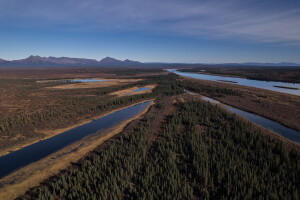
Researchers from Florida Atlantic University (FAU) are studying vegetation growth in Alaska's North Slope, where plant life remains low to the ground despite a lush appearance. The study highlights that this Arctic region is warming at a rate four times faster than the global average.
Read the full story at WLRN — South Florida NPR (Environment)Why It Matters
Understanding the rate of Arctic warming and its impact on ecosystems provides data on how climate change is altering northern environments.
Key Facts
- The Arctic region is warming four times faster than the rest of the Earth.
- Researchers from Florida Atlantic University are conducting studies on the North Slope of Alaska.
- Tundra vegetation in the studied Arctic region is characterized by low-growth plants that typically remain below knee height.
Who's Mentioned
PersonChris Neill“Researcher at Woodwell Climate Research Center”PersonDuncan Menge“Ecologist at Columbia University”locationToolik Field Station“Research site in Alaska”locationAlaska's North Slope“The specific geographic region being studied.”OrganizationFlorida Atlantic University“The institution conducting the research.”other200“Miles north of the Arctic Circle”PersonAnne Bjorkman“Plant ecologist at University of Gothenburg”other4.8“Degrees Fahrenheit of warming in the region”PersonLinda Deegan“Researcher at Woodwell Climate Research Center”PersonJake Francis“Professor at Florida Atlantic University”PersonSarah Elmendorf“Plant ecologist at University of Colorado”PersonJonathan Carcache“Doctoral student”PersonAdam Bloom“Florida Atlantic University plant biology student”other320“Kilometers north of the Arctic Circle”