
The civic record
Read. Follow. Verify.Indiana allows qualifying counties to impose a $1 state park entrance surcharge
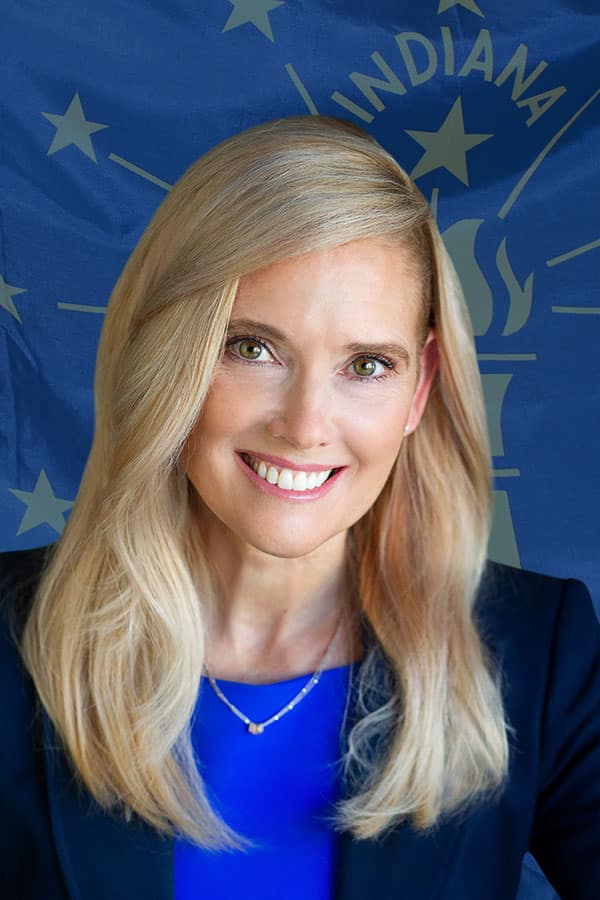
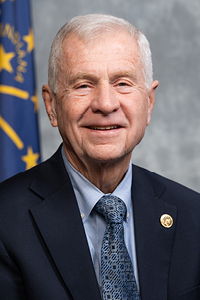
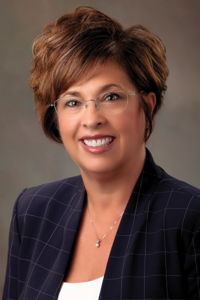
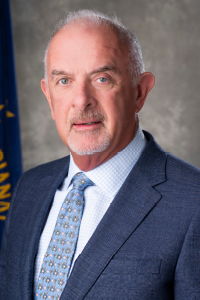
Last action · February 16, 2026: Senator Schmitt added as cosponsorSponsors: Dave Hall and 13 others
Track this bill to get notified when it advances a stage. One tap to stop, anytime.
What This Bill Would Do
Eligible Indiana counties meeting specific criteria may adopt local ordinances to charge up to a $1 surcharge on state park and recreation area entrance fees starting July 1, 2026. Annual state park pass holders are exempt from paying this surcharge. The Department of Natural Resources must collect the surcharge, begin collection within 60 days of notice, and remit monthly payments to county treasurers.
Provides local governments with new discretionary revenue streams drawn from state park visitors, which must be allocated toward public safety services or infrastructure enhancements such as water quality improvements.
- Indiana state parks are managed at the state level by the Department of Natural Resources, while local municipal services like public safety and road upkeep are funded locally. context
Who It Would Affect
Groups the bill's text would affect if enacted, as described in the record. Being affected is not a position for or against it.
Annual state park pass holders
Exempt from paying the newly authorized local park entrance surcharge.
County treasurers
Receive monthly remittance payments of surcharge funds from the Department of Natural Resources.
Key Facts
- Counties meeting certain criteria may adopt an ordinance to impose a surcharge of not more than $1 on entrance fees for state parks and recreation areas.
- Annual state park pass holders are explicitly exempt from the surcharge.
- The Department of Natural Resources must begin collecting the surcharge within 60 days after receiving notice of the ordinance adoption.
- The Department of Natural Resources must pay the collected surcharge to the county treasurer no later than the end of the following month.
Show all 6 facts
- If a state park or recreation area spans multiple counties that have all passed the ordinance, the department must prorate the surcharge among them.
- Collected surcharge funds must be used for public safety or infrastructure, including water quality improvements, natural resource protection, or benefits to adjacent communities.
Frequently Asked Questions
Who has to pay the new state park surcharge?
What can counties do with the money collected from the surcharge?
What else do you want to know?
News Coverage
Follow the record
Votes, people, money & the original sourceWhere This Stands
Currently passed both. The next step in the legislative lifecycle is Law.
Procedural history
19 actions- Feb 16, 2026SenateSenator Schmitt added as cosponsor
- Feb 10, 2026SenateFloorCommittee report: amend do pass adopted; reassigned to Committee on Appropriations
- Feb 9, 2026SenateSenator Maxwell added as cosponsor
- Feb 5, 2026SenateSenator Holdman added as cosponsor
- Feb 5, 2026SenateSenator Donato added as cosponsor
- Feb 5, 2026SenateSenator Charbonneau added as cosponsor
Show 13 earlier actions
- Feb 5, 2026SenateIntroducedFirst reading: referred to Committee on Natural Resources
- Feb 3, 2026HouseReferred to the Senate
- Feb 2, 2026HouseCosponsors: Senators Deery, Yoder
- Feb 2, 2026HouseSenate sponsors: Senators Koch, Glick, Leising
- Feb 2, 2026HouseFloorThird reading: passed; Roll Call 174: yeas 71, nays 7
- Jan 29, 2026HouseAmendment #1 (Hall) prevailed; voice vote
- Jan 29, 2026HouseFloorSecond reading: amended, ordered engrossed
- Jan 27, 2026HouseFloorCommittee report: do pass, adopted
- Jan 14, 2026HouseRecommitted to Committee on Ways and Means pursuant to House Rule 126.3
- Jan 14, 2026HouseFloorCommittee report: do pass, adopted
- Jan 5, 2026HouseIntroducedFirst reading: referred to Committee on Natural Resources
- Jan 5, 2026HouseCoauthored by Representatives Bartels, Patterson, Pierce M
- Jan 5, 2026HouseAuthored by Representative Hall
Version history
Only one version on file - nothing to compare yet. As later stages (committee substitute, engrossed, enrolled) are captured, the redline appears here.
View official text →Lobbying Activity
No state lobbying filings in our records match this bill. Federal lobbying reports (LDA) cover Congress, so they are not listed on state bills.
Full breakdown
Who this bill affects and the strongest case for and against it, written only from the bill’s own text.
Sponsors


Show 9 more sponsors




Discoveries
Patterns POLISCOPE noticed across the record. These are observations to investigate, not conclusions.
Local Surcharge on State Assets
Shifts a portion of state park visitor fee management and revenue sharing down to qualifying local county treasurers.
Connected Entities
Sources
iga.in.gov
Analysis Score
0–100- Significance60How much this matters to a regular citizen
- Controversy40Intensity of disagreement among stakeholders
- Entertainment10Compellingness for a non-policy-wonk reader
- Buzz25Current news / social attention level
Publisher tools