
NewsKPBS Public MediaOctober 31, 2026San Diego County
Understanding Seasonal Affective Disorder and Management Strategies
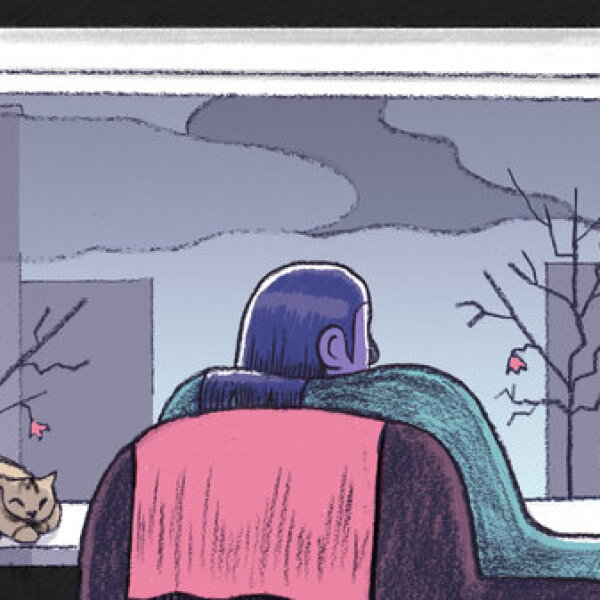
Photo: KPBS Public Media
About 1 in 20 people in the U.S. experience seasonal affective disorder (SAD), a condition linked to shorter daylight hours that causes sluggishness, depression, and changes in appetite and sleep. Experts recommend management strategies including light therapy with a 10,000-lux lamp, maintaining consistent eating and exercise schedules, and seeking professional therapy or medication if needed.
Read the full story at KPBS Public MediaWhy It Matters
Residents experiencing seasonal drops in energy and mood can implement specific behavioral adjustments, light therapy routines, or consult medical professionals to mitigate symptoms that affect about 40% of the year.
Key Facts
- About 1 in 20 people in the U.S. experience seasonal affective disorder (SAD), which typically lasts about 40% of the year.
- Women are about four times more vulnerable to SAD than men, and the condition is more common in the Northern Hemisphere.
- Dr. Norman Rosenthal first studied the syndrome and coined the term seasonal affective disorder in 1984.
- SAD lamps generating about 10,000 lux of light absorbed through the eyes are a commonly recommended fix, with morning use suggested for 20 to 30 minutes a day.
- Studies suggest the value of preventive light therapy is inconclusive, but it is effective as a treatment for those with SAD.
- Stopping eating three hours before sleep and keeping meals within a consistent 10- to 12-hour window helps signal circadian rhythms.
- Seasonal affective disorder has three main causes: a genetic component, a lack-of-light component, and stress.
- Medication, therapy, meditation, and reducing stress can also serve as effective treatments if lifestyle changes do not resolve symptoms.
Who's Mentioned
PersonNorman Rosenthal“psychiatrist who first researched and coined the term seasonal affective disorde”PersonMalaka Gharib“story editor”PersonEmily Manoogian“clinical researcher at the Salk Institute for Biological Studies”OrganizationSalk Institute for Biological Studies“research institution where Emily Manoogian works”PersonSylvie Douglis“story editor”PersonBeck Harlan“visual editor”OrganizationAmerican Psychiatric Association“provided statistics that SAD typically lasts about 40% of the year”