
The civic record
Read. Follow. Verify.House Bill 756 expands research and development tax credit to apply to state income tax
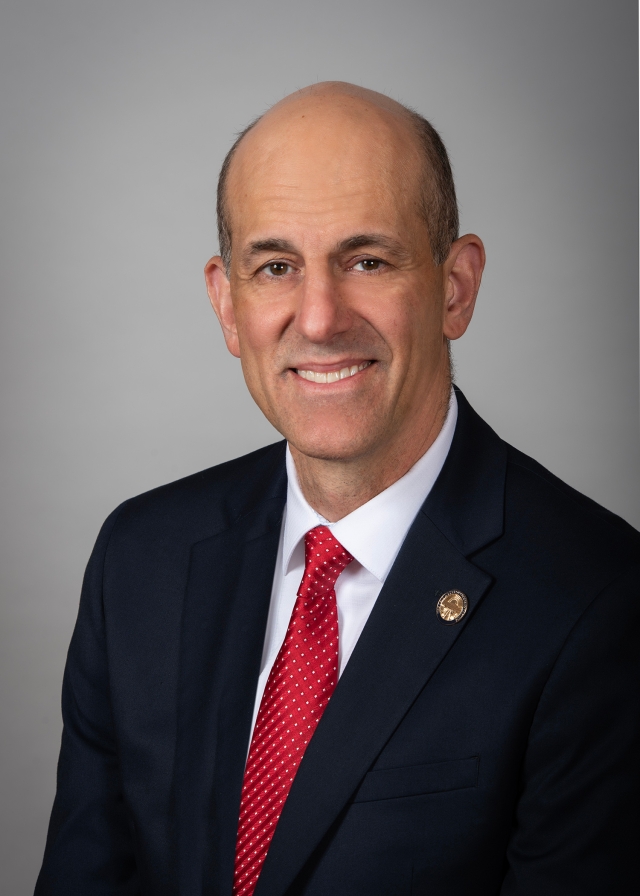
Last action · March 18, 2026: Referred to Ways and MeansSponsors: Jack Daniels and 1 other
Track this bill to get notified when it advances a stage. One tap to stop, anytime.
What This Bill Would Do
House Bill 756 creates a nonrefundable income tax credit equal to seven percent of the excess incurred by a taxpayer in Ohio compared to the average of the previous three years. Taxpayers must retain supporting records for four years and may carry forward any excess credit for up to seven ensuing taxable years.
Businesses and individuals with qualifying research expenses can lower their state income tax liability by taking a credit equal to 7% of their spending growth over a three-year baseline, with the ability to roll over unused credits for seven years.
Who It Would Affect
Groups the bill's text would affect if enacted, as described in the record. Being affected is not a position for or against it.
Taxpayers with qualified research expenses
Taxpayers who incur qualified research expenses in Ohio become eligible to claim a nonrefundable tax credit against their state income tax liability.
Tax Commissioner
The tax commissioner is authorized to audit a sample of a taxpayer's qualified research expenses, make good faith efforts to reach sampling agreements, and issue tax assessments.
Key Facts
You don't have to trust us. Each fact below is taken straight from the official document - click any one to see the exact passage, highlighted in the original.
Frequently Asked Questions
How is the research and development income tax credit calculated?
Can unused tax credits be carried over to future years?
How long must taxpayers retain records related to the credit?
What else do you want to know?
News Coverage
Follow the record
Votes, people, money & the original sourceWhere This Stands
Currently in committee. The next step in the legislative lifecycle is Floor Vote.
Procedural history
2 actions- Mar 18, 2026HouseCommitteeReferred to Ways and Means
- Mar 11, 2026HouseIntroducedIntroduced
Version history
Only one version on file - nothing to compare yet. As later stages (committee substitute, engrossed, enrolled) are captured, the redline appears here.
View official text →Lobbying Activity
No state lobbying filings in our records match this bill. Federal lobbying reports (LDA) cover Congress, so they are not listed on state bills.
Full breakdown
Who this bill affects and the strongest case for and against it, written only from the bill’s own text.
Sponsors

Connected Entities
Sources
www.legislature.ohio.gov
Analysis Score
0–100- Significance65How much this matters to a regular citizen
- Controversy20Intensity of disagreement among stakeholders
- Entertainment5Compellingness for a non-policy-wonk reader
- Buzz30Current news / social attention level
Publisher tools