
The civic record
Read. Follow. Verify.Vermont Overhauls Native American Tribe Recognition, Forms Task Force, and Subjects Truth and Reconciliation Commission to Audit
Last action · February 26, 2025: Read first time and referred to the Committee on General and HousingSponsor: Troy Headrick
Track this bill to get notified when it advances a stage. One tap to stop, anytime.
What This Bill Would Do
Vermont House Bill 362 restructures the process for state recognition of Native American tribes, establishes a temporary task force to review prior recognitions, creates a legislative oversight committee, and mandates an independent audit of the Truth and Reconciliation Commission by December 15, 2026. The measure takes effect upon passage.
The bill alters how indigenous groups seek formal state acknowledgment and increases legislative and public oversight of the Vermont Truth and Reconciliation Commission, impacting state recognition applicants, tribal communities, and state agencies involved in cultural preservation.
- The Vermont Truth and Reconciliation Commission was established to examine historic and ongoing institutional, structural, and systemic discrimination caused or permitted by State laws and policies. context
- The Vermont Commission on Native American Affairs acts as an official state body to recognize and protect the cultural heritage of indigenous peoples in the state. context
Who It Would Affect
Groups the bill's text would affect if enacted, as described in the record. Being affected is not a position for or against it.
Native American Indian tribes and applicants
Applicants for state recognition must fulfill stricter genealogical, residency, and historical documentation requirements.
Truth and Reconciliation Commission
The Commission is subjected to mandatory state audits, explicit open meeting rules, and legislative oversight.
Odanak Abenaki leadership
Leadership must be consulted on indigenous policy and will receive grant funding allocations for cultural preservation.
Key Facts
You don't have to trust us. Each fact below is taken straight from the official document - click any one to see the exact passage, highlighted in the original.
Frequently Asked Questions
What new requirements must groups meet to obtain state tribal recognition?
What is the role of the newly created Task Force?
How does the bill affect the Vermont Truth and Reconciliation Commission's transparency?
What else do you want to know?
News Coverage
Follow the record
Votes, people, money & the original sourceWhere This Stands
Currently in committee. The next step in the legislative lifecycle is Floor Vote.
Procedural history
1 action- Feb 26, 2025HouseIntroducedRead first time and referred to the Committee on General and Housing
Version history
Only one version on file - nothing to compare yet. As later stages (committee substitute, engrossed, enrolled) are captured, the redline appears here.
View official text →Lobbying Activity
No state lobbying filings in our records match this bill. Federal lobbying reports (LDA) cover Congress, so they are not listed on state bills.
Full breakdown
Who this bill affects and the strongest case for and against it, written only from the bill’s own text.
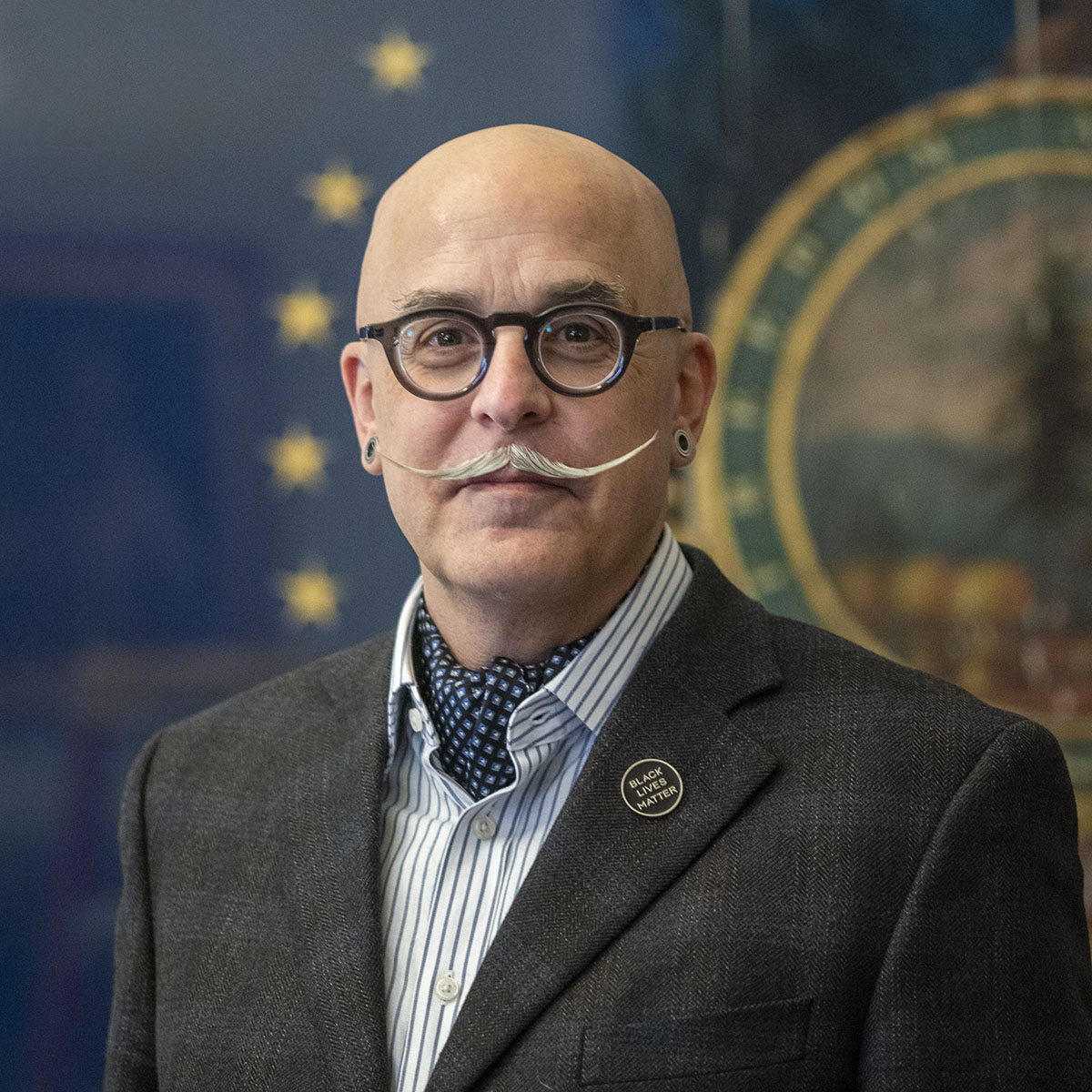
Sponsors
Discoveries
Patterns POLISCOPE noticed across the record. These are observations to investigate, not conclusions.
Shift Toward Stricter Tribal Recognition and Oversight
The bill represents a formal legislative effort to re-examine historical state recognitions through independent genealogical verification and increased auditing.
Connected Entities
Sources
legislature.vermont.gov
Analysis Score
0–100- Significance75How much this matters to a regular citizen
- Controversy65Intensity of disagreement among stakeholders
- Entertainment10Compellingness for a non-policy-wonk reader
- Buzz40Current news / social attention level
Publisher tools